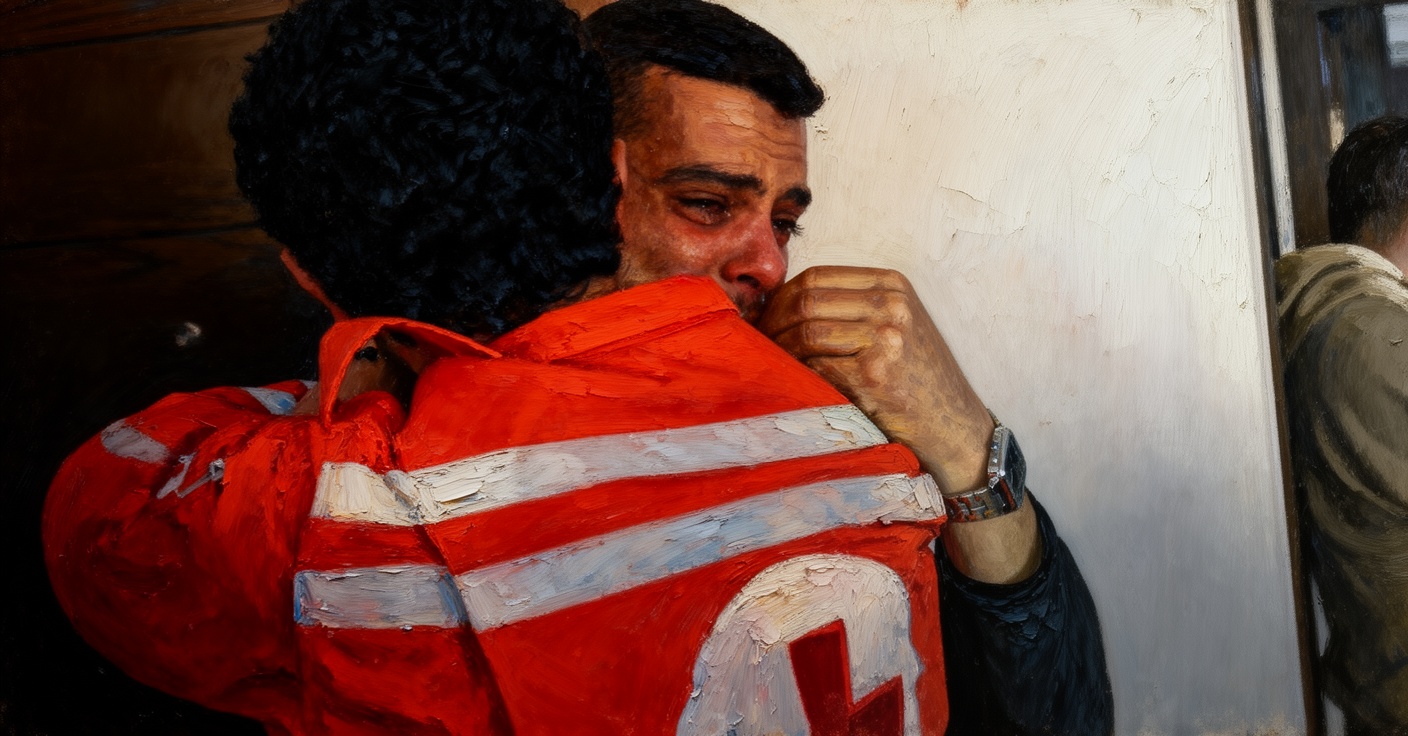
Israeli Attacks Target Medical Workers in Lebanon
Lebanon facing lethal strikes on medical personnel, 57 confirmed dead since early March. Pattern echoes Gaza violence, threatening humanitarian access. International actors must secure medical neutrality and protect lifesaving services.
The core development is blunt: Israeli operations have killed a confirmed 57 medical workers in Lebanon since early March, signaling a systematic targeting of lifesaving professionals. The toll underscores a deliberate pattern that mirrors violence seen in Gaza, raising the specter of a broader strategy to destabilize civilian infrastructure. The immediate crisis centers on rescue and hospital capabilities in areas under pressure from aerial and ground operations.
Background context: Lebanon's medical sector has been repeatedly stressed by fighting across border regions, with medical personnel often caught between combatants and displaced civilians. The current fatalities follow a sequence of strikes and near-misses that have forced several clinics to suspend services. Regional tensions, including cross-border firing and the involvement of multiple armed groups, compound the risk to humanitarian workers.
Strategic significance: The targeting of medical staff threatens to erode civilian resilience and degrade the ability to treat the wounded, which in turn heightens political and diplomatic pressure on regional actors. A pattern of attacks against healthcare mirrors broader coercive tactics used to fracture social cohesion during crises. The consequences extend beyond Lebanon, complicating international humanitarian access and potentially triggering regional shifts in alliance and deterrence calculations.
Technical/operational details: The fatalities are tied to Israeli operations in Lebanon that have included air and ground actions near populated centers and healthcare facilities. While specific weapon types are not disclosed in every report, the impact is measured in hospital closures, staff evacuations, and increased security measures at remaining clinics. The humanitarian response has faced funding gaps, with international relief agencies attempting rapid redeployments and cross-border aid corridors.
Forward assessment: If the pattern continues, civilian healthcare capacity could reach a breaking point, elevating the risk of untreated injuries and secondary public health crises. Diplomatic friction between Israel and regional actors will likely intensify as Beirut and allied powers seek assurances on civilian protection. In the near term, the priority for international actors is to secure humanitarian corridors, enforce safe zones around hospitals, and publicly condemn violations of medical neutrality.