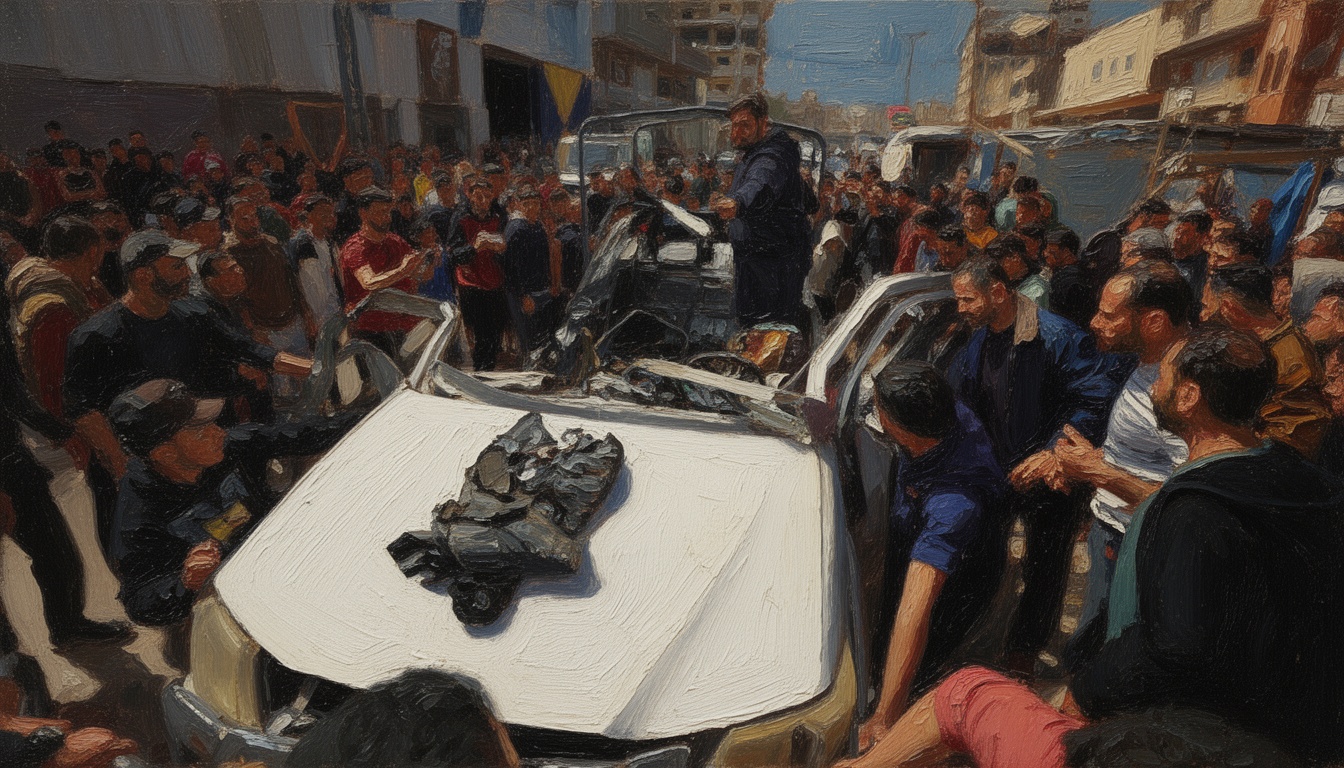
Israeli Attacks Kill 11, Including Two Children, in Gaza Strikes
The latest Israeli raids across northern Gaza leave 11 dead, including a three-year-old and a 14-year-old. The daylong bombardment escalates a regional crisis and raises questions about civilian protection and retaliation. Analysts warn of widening escalation as ground operations and airstrikes continue to shape the balance of power around Gaza.
The core development: Israeli strikes across northern Gaza have killed 11 people, including a three-year-old and a 14-year-old, in what officials describe as a day of intensive bombardment. The assaults targeted multiple residential districts and infrastructural sites, triggering a wave of emergency evacuations and widespread displacement. Militants and local authorities reported casualties across several neighborhoods, underscoring the heightening risk to civilians amid mounting military pressure. The strikes mark a sharp peak in a cycle of violence that has intensified in recent weeks, threatening to widen into a broader confrontation.
Background context: The cross-border fighting has surged since a spate of rocket salvos and infiltrations into border areas prompted a swift Israeli military response. International mediators have struggled to curb hostilities, while aid organizations warn of deteriorating humanitarian conditions in Gaza’s densely populated zones. The latest strikes come as regional actors weigh the risk of escalation spilling over into adjacent fronts, including border crossings and coastal routes. Officials on both sides have signaled readiness for continued operations if ceasefire concessions falter.
Strategic significance: The day’s events exacerbate the deterrence dynamics shaping Gaza’s frictions. Israeli authorities frame the strikes as a response to ongoing threats and militant activity, while opponents argue that civilian casualties threaten long-term legitimacy and fuel radicalism. The violence constrains civilian life, complicates potential political settlements, and raises the importance of international guarantees for civilian protection and humanitarian corridors. The current trajectory suggests a competition between punitive airpower and diaspora-led political pressures, with balance of power shifting in favor of whoever can sustain sustained pressure longest.
Technical or operational details: The death toll includes a three-year-old and a 14-year-old from separate households, according to local authorities. Specific targets remained disputed as rescue crews cleared rubble from residential blocks and treated the wounded in makeshift field clinics. The Israeli campaign reportedly employed a mix of precision airstrikes and surface-to-surface munitions, with limited information about the precise munitions used or command-and-control nodes impacted. Civil defense responders cautioned about continued risk from unexploded ordnance and secondary explosions as the urban terrain remains heavily contested.
Likely consequences and forward assessment: The civilian toll is likely to harden domestic support for continued strikes in Israel, while complicating international diplomatic efforts to secure an immediate halt to hostilities. Escalation could trigger additional rocket launches from Gaza and potentially provoke broader regional responses. If the current phase endures, populations in northern Gaza may face further displacement, deteriorating living conditions, and increased humanitarian needs. In parallel, regional powers will vigilantly monitor movements on the ground for signs of a ground operation or broader blockade tightening, which would dramatically alter the security calculus for all actors.