Israeli Airstrikes Wipe Out Iran Command Center, Killing Hardline Leadership Impact
Israel escalates its military campaign against Iran, targeting key leadership bunkers. This operation signals a significant shift in regional power dynamics amidst heightened tensions.
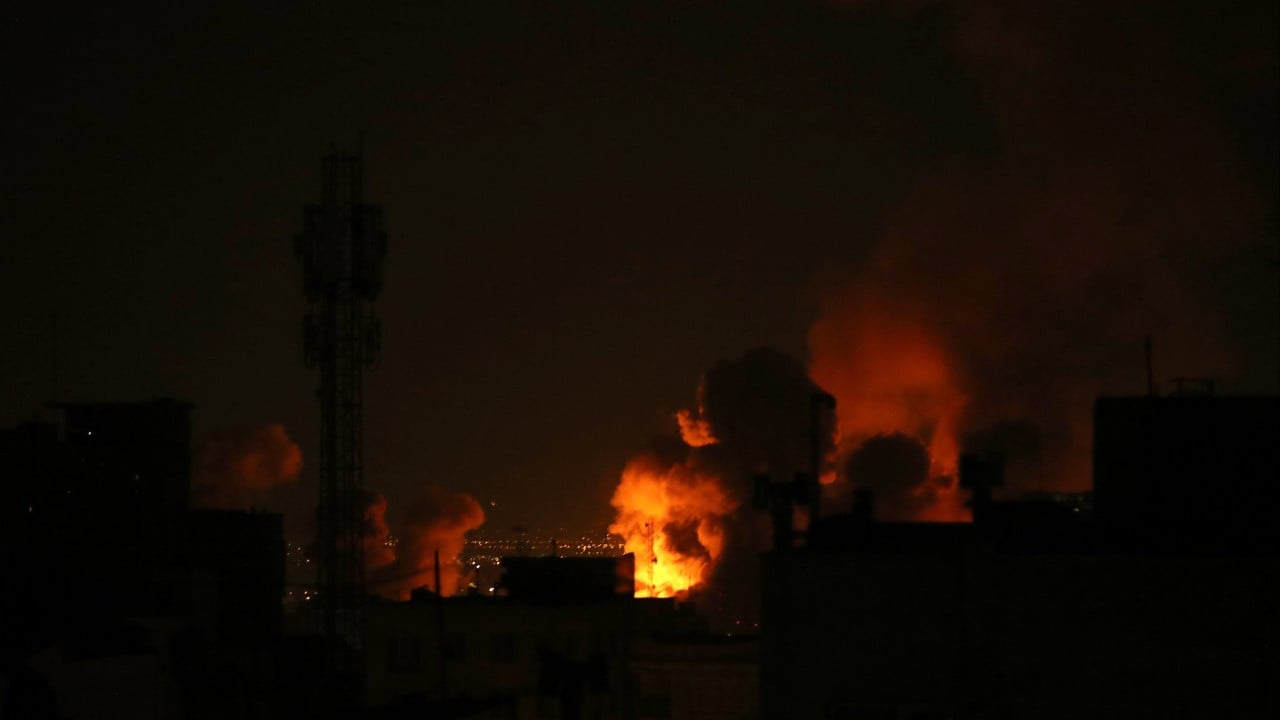
Israel's military executed a major airstrike on a fortified underground command center used by Iran’s leadership in Tehran, involving 50 fighter jets. This strike reportedly resulted in the destruction of a military complex situated beneath critical Iranian government buildings. The Israeli Defense Forces (IDF) announced the operation as a decisive blow against Iran's hardline Islamic establishment, underscoring the escalating conflict between the two nations.
Tensions have been mounting between Israel and Iran for years, with a history of proxy conflicts throughout the Middle East. The recent escalation follows the assassination of Iran's Supreme Leader Ali Khamenei just a week prior. This event has reignited fears of a larger regional conflict as Iran vows retaliation for the targeted killing of its political figure, highlighting longstanding grievances that have yet to be resolved.
The significance of this airstrike cannot be overstated; it marks a new phase in Israel's military doctrine against Iran, which has maintained an adversarial posture since the establishment of the Islamic Republic in 1979. The destruction of the command center suggests Israeli intelligence has successfully penetrated deep into Iranian military capabilities, revealing vulnerabilities that could be exploited in future operations. Additionally, this incident raises the stakes for other regional actors who might feel compelled to choose sides in an increasingly polarized environment.
Key actors in this conflict, including the United States, must navigate a delicate balance. Israel's aggressive military action likely reflects its goal of deterring Iranian influence and securing regional hegemony. Meanwhile, Iran's leadership faces internal pressures to respond militarily to assert their strength and deter further Israeli incursions, complicating their strategic calculus amid significant civil unrest.
The operational details of the airstrike are alarming: the involvement of 50 Israeli fighter jets suggests a highly coordinated military effort. Such a deployment indicates a significant commitment of resources and highlights the severity of the threat perceived by Israeli officials. This airstrike may also pose implications for Israel's defense budget and its procurement of advanced munitions as it enters this new phase of offensive operations.
The possible consequences of this military escalation are grave. Retaliatory strikes from Iran or its proxy forces in Lebanon, Syria, or even beyond could trigger a wider conflict, thus destabilizing the entire region. Should Iran choose to respond through asymmetric warfare, the repercussions could impact markets, disrupt energy supplies, and provoke military engagements involving other regional or global powers.
Historically, airstrikes targeting leadership figures have often led to escalated conflicts, as seen in similar events during the Gulf Wars and the broader War on Terror. Precedents set by such military actions suggest a cyclical pattern of escalation, with adversarial entities employing even more aggressive retaliatory measures that could spiral out of control.
Looking ahead, analysts should monitor Iran's responses in terms of both military posturing and potential retaliatory actions. Intelligence reports focusing on troop movements, military drills, and public statements from Iranian officials will be crucial in assessing how this escalation might unfold and whether any additional military actions will be undertaken by Israel or its allies in response to Iranian reprisals.