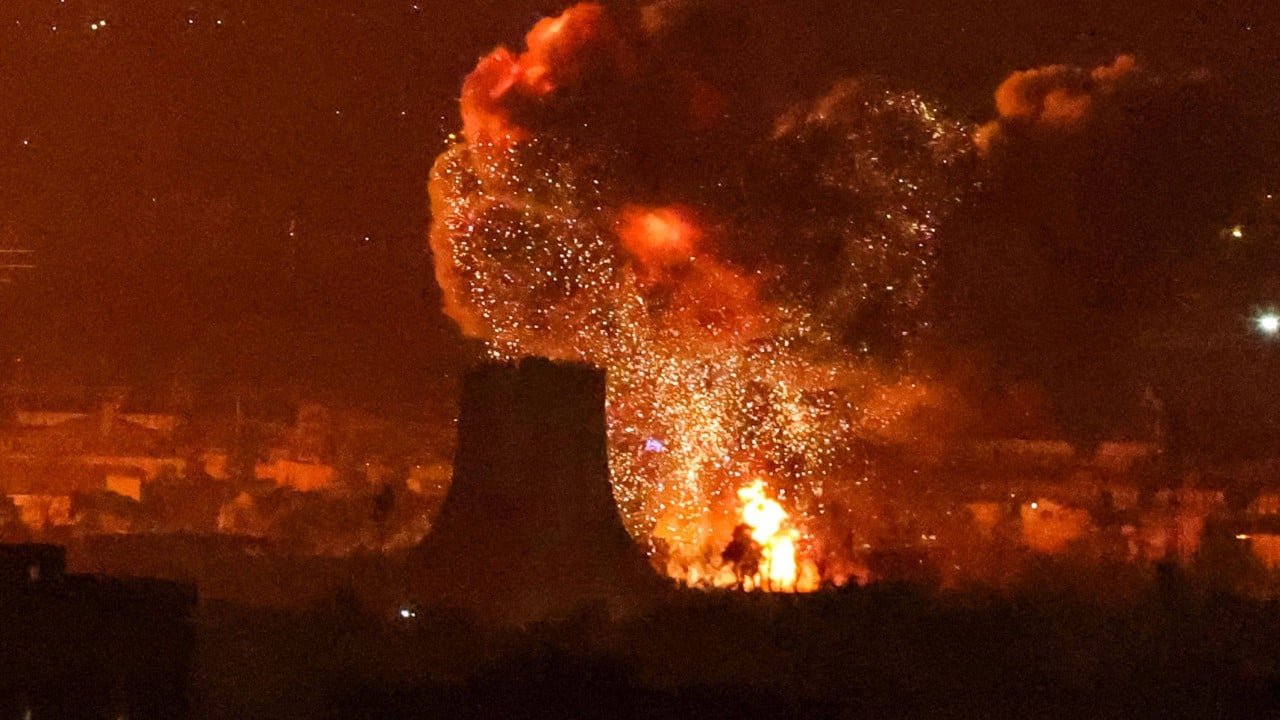
Israel Strikes Iran Oil Facility; Netanyahu Threatens Unexpected Escalations
The conflict between Israel and Iran escalated significantly with targeted airstrikes on Iranian oil infrastructure. This bold operation underscores the intensifying military confrontation and raises the stakes in the broader regional conflict.
Israeli forces launched a series of airstrikes on an oil storage facility in Tehran late Saturday, marking a dramatic escalation in the ongoing conflict. Pillars of flame were seen billowing from the site, further igniting tensions in an already volatile situation. Iranian state media acknowledged the strike and broadcast footage of the aftermath, showcasing the extent of the destruction and chaos, though specific casualty figures remain unreported.
This escalation follows years of mounting hostilities between Israel and Iran, fueled by Iranian support for militant groups across the Middle East and its nuclear ambitions. Israel has consistently viewed Iran as its foremost threat, perceiving its military presence in Syria and missile capabilities as direct challenges to its national security. This latest strike signals a significant shift in Israel’s operational posture as it seeks to deter Iran from fortifying its position in the region further.
The attack is pivotal as it reflects Israel's growing willingness to engage in open warfare against Iranian assets, potentially changing the balance of power in the region. By targeting critical infrastructure, Israel aims not only to disrupt Iran’s economy but also to deliver a message about its capacity and readiness to act decisively. Iranian vulnerabilities are now glaring as they must respond while facing economic challenges worsened by international sanctions.
Key actors include Iranian officials, who may retaliate not only against Israeli positions but also against American interests in the region, given the U.S.'s historical alliance with Israel. On the Israeli side, Prime Minister Netanyahu's rhetoric about “many surprises” indicates a commitment to maintaining the offensive and keeping Iran off-balance, perhaps even suggesting that further strikes are imminent.
Technical details of the strike remain sparse, but it is speculated that Israel utilized precision-guided munitions to minimize collateral damage while maximizing the impact on Iran’s operational capabilities. The strikes likely involved F-35 stealth fighters, which can penetrate advanced air defenses with minimal risk, further underlining Israel's technological superiority.
The immediate consequences could include Iranian retaliatory strikes against Israeli positions in Syria or even cyber operations targeting Israeli infrastructure. Moreover, Iran's potential reaction could galvanize responses from allied actors in the region, leading to an escalation of proxy conflicts, particularly in Iraq and Lebanon, where Iran exerts substantial influence.
Historically, this situation mirrors previous conflicts between Israel and its neighbors during the late 20th century, notably the 1982 Lebanon War, where direct strikes against enemy infrastructure were employed. These historical precedents highlight the cyclical nature of conflict in this region, wherein escalatory actions often prompt retaliatory measures, leading to broader confrontations.
Looking ahead, analysts should monitor Iranian military movements and statements closely, particularly regarding missile launches or provocations against U.S. allied forces in the Persian Gulf. Additionally, any indications of Iranian mobilization in neighboring countries could signal the onset of a larger regional conflict, with far-reaching implications for global security and energy markets.