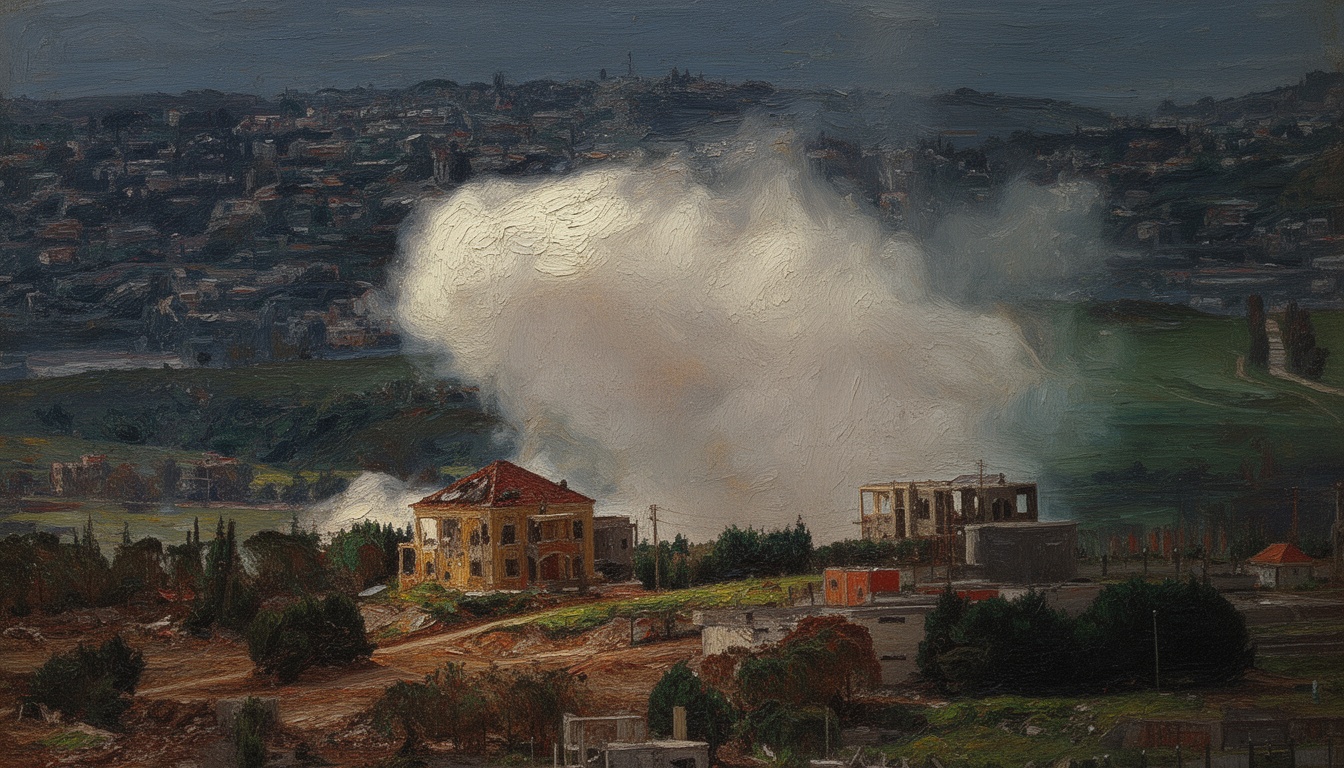
Israel Strikes in Lebanon Escalate After Netanyahu Orders Attacks
Following an extended ceasefire, Israeli Prime Minister Netanyahu commands a renewed pressure campaign against Hezbollah, triggering a fresh round of strikes inside southern Lebanon. The move comes amid ongoing fighting and a civilian toll from earlier hostilities. The escalation intensifies regional security dynamics and raises the risk of broader confrontation along the Israel-Lebanon front.
New Israeli strikes in southern Lebanon have begun to surface after Prime Minister Benjamin Netanyahu ordered a forceful assault on Hezbollah targets. Initial bursts of fire and air activity were reported late on Saturday, signaling a sharp uptick in operational tempo despite a previously extended ceasefire. The strikes appear aimed at demonstrably pressuring Hezbollah following accusations of truce violations by the group.
Lebanon’s political and security environment is already fragile, with cross-border tensions spiking during the day’s earlier hostilities that killed six people. Lebanese authorities have repeatedly urged restraint, while regional powers watch closely for signs of wider escalation. The health ministry confirmed casualties and prepared medical responses as the violence intensified, underscoring the civilian risk in border areas.
Strategically, the Israeli action signals a deliberate shift from deterrent postures to active punishment, designed to degrade Hezbollah’s military capabilities near the border. This move tests the durability of the existing ceasefire framework and the willingness of Hezbollah and its allies to absorb sustained pressure. International observers assess the move as a high-stakes gambit intended to redefine the balance of power on Israel’s northern front.
Operationally, the new wave of strikes reportedly targeted Hezbollah infrastructure and suspected weapon storage sites within southern Lebanon. Details on specific weapon systems or units involved remain sparse, but the campaign appears to leverage air power coupled with targeted ground-asset operations. If confirmed, the scale and precision of these strikes could indicate a broader objective of degrading Hezbollah’s readiness and rapid-reaction capabilities near border towns.
The likely consequences include a renewed cycle of retaliation from Hezbollah, potential displacement of civilians in border communities, and heightened volatility for international mediation efforts. Regional security institutions are likely to redouble talks on de-escalation and contingency planning. In the near term, both sides may tighten border controls, raise alert levels, and seek to shape international opinion around responsibility for the latest hostilities.