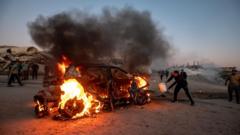
Israel Strikes Gaza Kill Journalist; Claims Hamas Ties Spark Denials
A Gaza strike kills a journalist amid rising competition for narrative control. Authorities insist the victim had Hamas ties, prompting denial and international scrutiny. The incident tests wartime media safety and the credibility of combatant propaganda claims.
A Gaza Strip strike killed a journalist amid a widening information battle surrounding casualties and accountability. The incident prompted immediate claims from the Israeli defense establishment that the journalist held Hamas affiliations. Local and international networks immediately questioned the designation, highlighting long-standing disputes over who is eligible for casualty status in modern urban warfare. The episode underscores the escalating risks to media personnel operating near front-line zones and the precision limits of combat-era targeting narratives.
Context is quick to follow. The Gaza conflict has repeatedly blurred the lines between combatant and civilian roles, while both sides have used media narratives to influence international opinion. In recent weeks, similar accusations of affiliation have arisen in other fatal incidents, complicating investigations and potentially shaping international responses. This event amplifies debates over protections for journalists and the reliability of government-issued designations in fast-moving strikes. The incident reinforces the volatility of information operations in crowded, urban theaters where civilian presence is dense and chaotic.
Strategically, the episode feeds into a broader contest over narrative supremacy. If credible, the Hamas-linked designation could influence international pressure, media access, and diplomatic engagement with Gaza’s governing authorities. Conversely, persistent denials threaten to widen the credibility gap between official statements and on-the-ground realities. The event may catalyze new scrutiny of rules of engagement for strikes in densely populated areas and could affect third-country media coverage and evacuation planning.
Technical and operational details remain opaque. No independent verification of the journalist’s identity or affiliations was provided in the immediate aftermath. Tactical indicators—such as the weapon type, the strike location, and the estimated collateral impact—have not been disclosed publicly. The lack of transparent forensic data complicates attribution, complicating any future assessments of responsibility or misrepresentation in the official narrative.
Likely consequences point toward a renewed push for media protections and clearer attribution standards in wartime. If the Hamas linkage is substantiated, it could harden the domestic and international reception of the strike and trigger additional diplomatic protests. If it remains contested, the case risks becoming a focal point for accusations of media manipulation and propaganda. Analysts will watch for independent investigations, survivor testimony, and any corroborating evidence that could confirm or debunk the claims and set a precedent for future reporting in Gaza.