Israel refuses ceasefire with Hezbollah
Israel rejects any halt to fighting with Hezbollah as Washington talks loom. The two sides have no diplomatic ties, and casualties mount in Lebanon amid a broader regional crisis. The scheduled talks mark a fragile, first formal channel between adversaries with little sign of a rapid peace process.
The core development is blunt: Israel will not discuss a halt to hostilities with Hezbollah during talks in Washington on Tuesday. This stance underscores a hardening in the conflict dynamics between Israel and the Lebanese militant group, which Israel holds as the principal obstacle to any peace accord. No ceasefire path is visible at this stage, despite the talks being framed as a potential opening for diplomacy. The confrontation has a regional dimension, drawing in external actors and raising risks of escalation beyond the Lebanon-Israel border.
Background context shows a long-running, adversarial relationship between Israel and Hezbollah, punctuated by periodic clashes and recurring diplomacy attempts. The talks in Washington come after weeks of Israeli bombardments and Hezbollah retaliatory rhetoric or limited strikes. The absence of formal diplomatic relations between Jerusalem and Beirut complicates any settlement, and regional mediators face immense pressure to constrain escalation. The broader security environment includes competing narratives about deterrence, legitimacy, and the costs of war for both sides.
Strategic significance centers on the implications for deterrence, regional stability, and alliance calculus. Israel’s insistence on not tying a ceasefire to Hezbollah signals prioritization of military objectives over negotiated pauses. For Hezbollah, any pause would be weighed against its tactical position and external support, including Iranian backing and the risk of renewed Israeli pressure. The talks in Washington could become a stage for signaling and brinkmanship, with potential repercussions for neighboring militias and state actors.
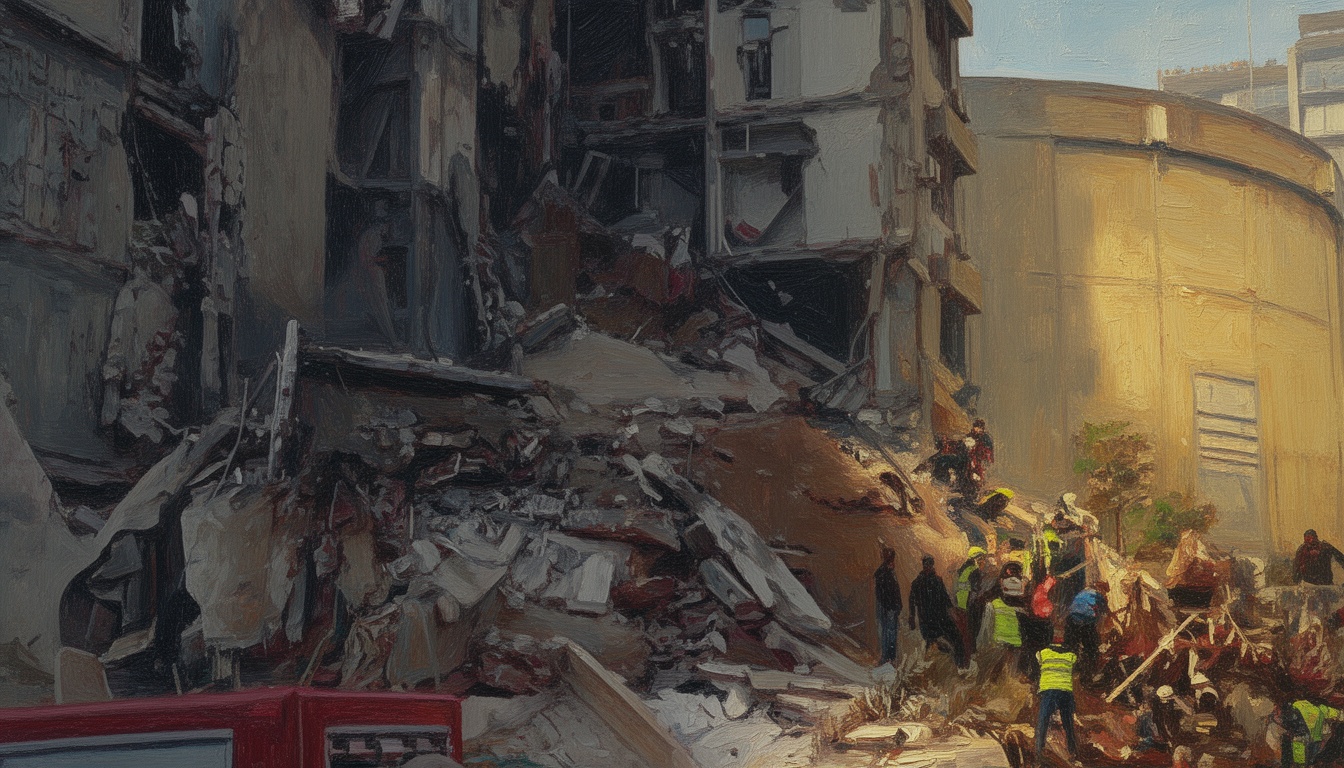
Technical or operational details include the absence of a formal ceasefire framework, the lack of a direct diplomatic channel, and the ongoing casualties. Lebanese authorities report casualties amounting to more than 1,950 people, including over 350 on the first day of the US-Iran ceasefire alone, a figure that underscores the human toll and the urgency of deconfliction. The military balance remains uncertain, with both sides capable of high-intensity strikes and limited but consequential cross-border operations. The financial and logistical cost of sustained fighting further pressures belligerents and regional stakeholders to seek de-escalation.
Likely consequences and forward assessment point to a protracted stalemate rather than an immediate breakthrough. If talks fail to yield a ceasefire, the risk of further escalation grows, including intensified rocket and air campaigns and potential spillover into Lebanese territory. International mediators will need to manage competing red lines, while regional powers weigh their involvement to stabilize the situation and prevent a wider conflagration. The coming weeks will test the durability of political talk versus battlefield realities, with Washington playing a pivotal, if constrained, mediating role.