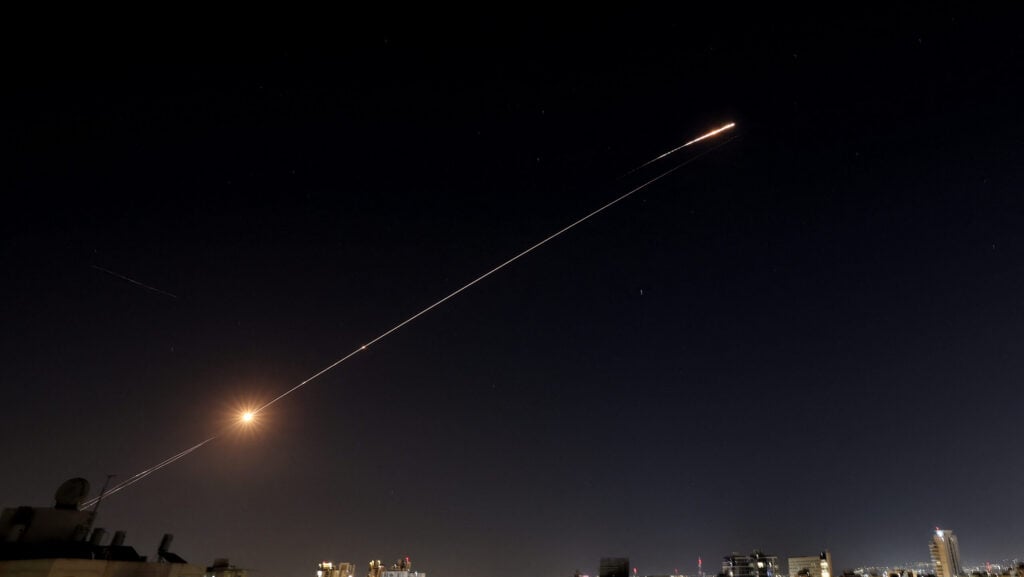
Israel Ramps Up Defense Production in Multi-Front Conflict
Israel has intensified its defense production capabilities to address ongoing multi-front engagements in the region. This surge in production underscores the escalating conflicts and their potential impact on regional stability.
Israel is aggressively ramping up its defense production amid an intensifying multi-front conflict involving several regional adversaries. The Israeli Ministry of Defense has announced a significant acceleration in production capacities, citing the need to meet the demands of ongoing operations. This strategic move reveals the deepening complexities and escalating tensions that Israel faces from multiple directions.
Tension has been escalating in the region, with Israel engaged on various fronts. The nation's defense strategy has had to evolve rapidly in response to threats emanating from different quarters. For Israel, maintaining a robust and responsive production capability is crucial for sustaining prolonged military engagements and addressing unforeseen developments.
This escalation in production is significant on a strategic level as it highlights shifting regional power dynamics. The move positions Israel to strengthen its defensive and offensive capabilities simultaneously, serving both as a deterrent and as a preparation for extended conflicts.
Key actors in this scenario include the Israeli government and its defense contractors, who are driven by the imperative to ensure national security in an increasingly volatile environment. Their motivations are clear: to fortify Israel's capacity to manage simultaneous threats and to adapt swiftly to changing military conditions.
The ramp-up focuses on various advanced weapon systems, including UAVs and missile technologies, reflecting the modern battlefield's demands. Details reveal that specific production lines are being operated at maximum capacity to deliver these capabilities expediently.
The implications are potentially wide-reaching. If such production capabilities are sustained, it could lead to further escalations in the region, as adversaries may perceive this as an arms race. Alternatively, it could enhance deterrence, reducing the likelihood of conflicts.
Historically, similar defense production escalations have been witnessed in situations like the Cold War, where rapid armament strategies were employed to balance power. This tactic aligns with Israel's need to maintain a technological and strategic edge over its adversaries.
Moving forward, observers should watch for significant shifts in regional alliances and any corresponding increases in military activities by neighboring states. Indicators such as allied support or increased terror activity may signal further escalation or conflict de-escalation strategies.