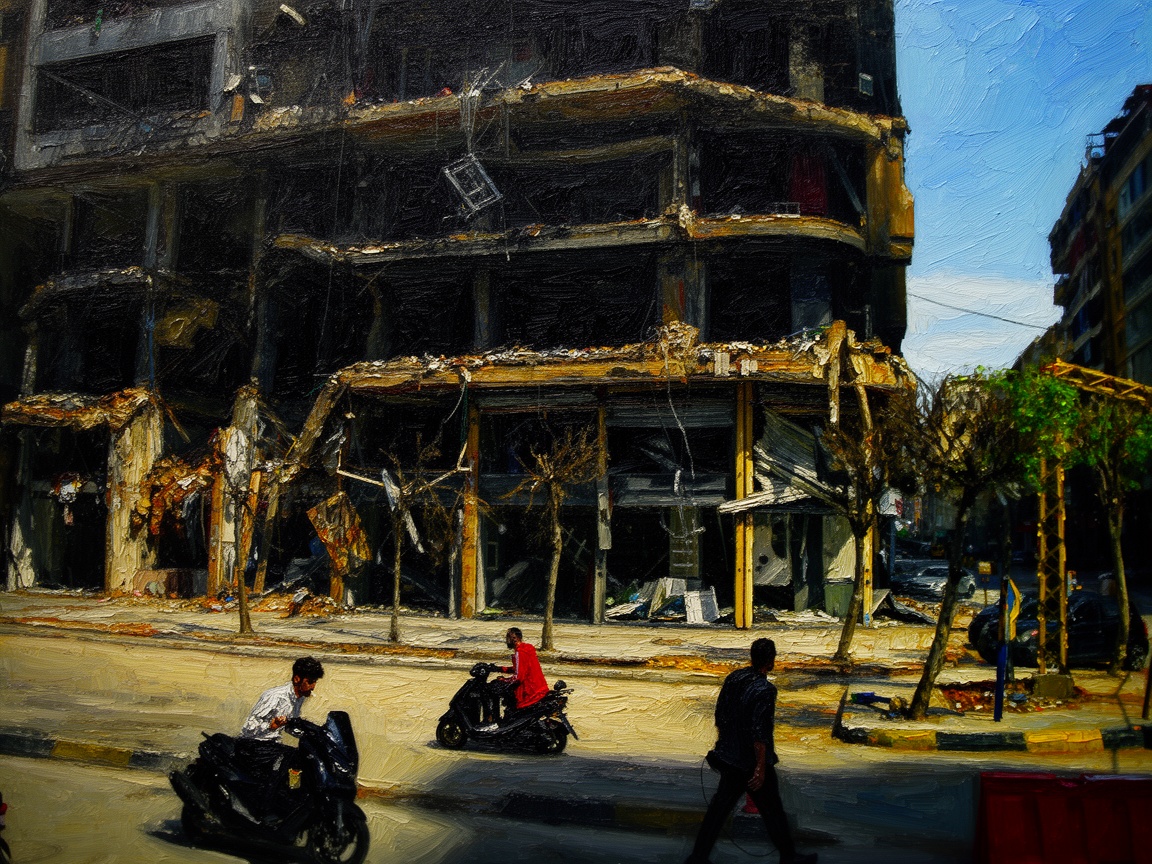
Israel Kills Four in Lebanon as Ceasefire Breaches Escalate
Four civilians were killed in Yohmor al-Shaqif after Israeli raids targeted a truck and a motorcycle. The incident signals a widening breach of the ceasefire and heightens risk of regional escalation, with potential spillover along the Lebanon-Israel border and wider Middle East tensions.
The core development is blunt and deadly: raids on a truck and a motorcycle in Yohmor al-Shaqif, Lebanon, killed four people. State media reported the strike as part of a continued sequence of ceasefire violations, marking another flare in a fragile border dynamic that has drawn regional ire and international attention. The scene is a stark reminder that even sporadic border violence can ignite rapid escalations when mistrust and retaliation become the currency of the moment. The fatalities underscore how quickly local actions translate into broader strategic signaling between Beirut-aligned factions and Tel Aviv.
Background context shows a pattern of intermittent clashes along the Lebanon-Israel line in the weeks preceding the incident. Ceasefire arrangements, fragile from inception, have repeatedly fractured under pressure from cross-border exchanges, including shelling, drone activity, and targeted raids. International mediators have urged restraint, but reciprocal strikes and retaliatory rhetoric have kept the border tense. The Yohmor al-Shaqif event fits a broader narrative of episodic shocks that puncture quiet periods and raise the political temperature across multiple actors in the Levant.
Strategic significance centers on deterrence calculations and risk of miscalculation. The killings threaten to harden positions within Lebanon and complicate any ongoing security arrangements with regional powers. For Israel, the strike signals resolve to enforce border boundaries but risks entrenching adversaries and complicating diplomacy with external patrons who back Lebanon’s various factions. The incident also tests the credibility of international efforts to stabilize the micro-conflict zone, where a small spark can ignite a wider strategic contest.
Technical or operational details are sparse in authoritative summaries, but the incident involved two targeted vehicle strikes—one on a truck and another on a motorcycle. The fatalities were four civilians; the exact weaponry, delivery method, and potential collateral damage beyond the killed individuals remain unconfirmed in public disclosures. The operational footprint appears limited in scale but maximal in political impact, illustrating how precision strikes can deliver disproportionate strategic effects when conducted near populated corridors along the border.
Likely consequences and forward assessment point to a renewed cycle of retaliation and diplomacy frictions. Expect heightened border deployments by both sides, intensified surveillance, and potential courting of external mediators to prevent unilateral action from spiraling. If the pattern holds, the next 24–72 hours could determine whether this incident de-escalates through quiet diplomacy or escalates into broader cross-border exchanges, with consequences for regional stability and international efforts to contain the Lebanese-Israeli border crisis.