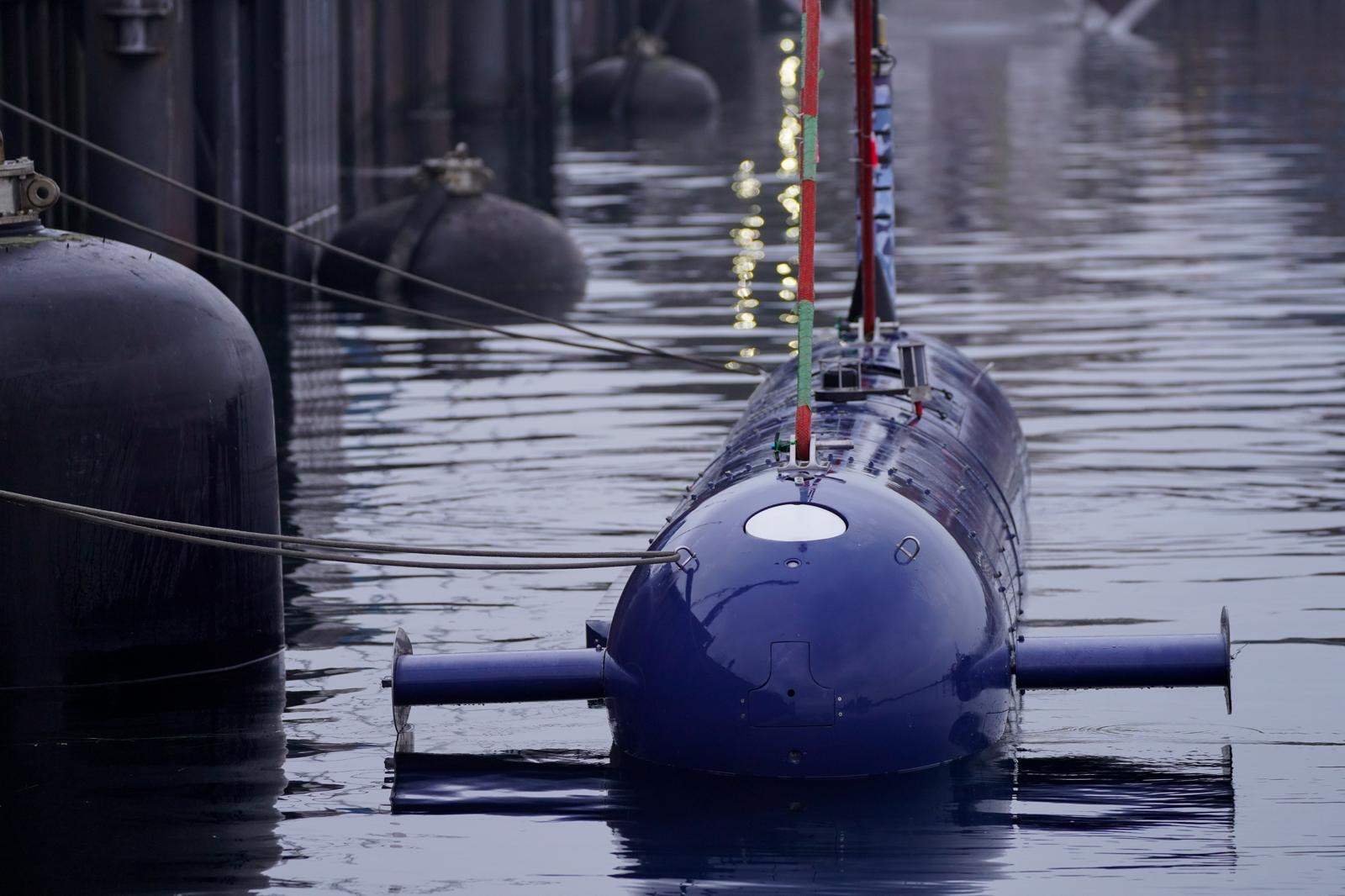
Israel Delivers First Autonomous Submarine to Germany
Israel has successfully delivered its first autonomous submarine to the German Navy, marking a significant advancement in unmanned naval capabilities. This acquisition is a pivotal element of Germany's strategy to modernize its fleet with advanced technologies.
In a notable development for naval warfare, Israel's defense manufacturing sector has delivered its initial autonomous submarine to Germany. This step is part of Germany's broader initiative to incorporate unmanned systems into its naval forces, enhancing operational flexibility and combat effectiveness. The integration of such autonomous vehicles allows for more extensive surveillance, reconnaissance, and engagement capabilities in various maritime environments.
The specifications of the newly delivered autonomous submarine indicate advanced capabilities that align with modern naval requirements. These submarines are expected to feature state-of-the-art sensors, advanced artificial intelligence for decision-making, and enhanced stealth technologies. While specific details about operational range and payload capacities have yet to be disclosed, it is anticipated that these systems will significantly augment Germany's undersea warfare capabilities.
From a strategic standpoint, the acquisition of this autonomous submarine is critical for Germany, particularly in the context of recent geopolitical tensions and the need for a robust maritime defense posture. The integration of unmanned vessels not only enhances fleet resilience but also reduces risk to personnel in high-threat environments. As nations increasingly recognize the value of unmanned systems, Germany's investment in autonomous underwater vehicles signals a commitment to maintaining a leading edge in modern naval warfare.
The submarine was developed by an Israeli defense contractor known for its innovative contributions to maritime technologies. This partnership highlights the growing trend of international collaboration in defense procurement, with Germany leveraging Israel's expertise in autonomous systems. Such alliances are likely to accelerate the development and deployment of future technologies in naval operations.
Potential applications for this autonomous submarine extend beyond traditional military engagements. The technology could be utilized for humanitarian missions, environmental monitoring, and maritime security operations, thus increasing the versatility of naval forces. As unmanned systems continue to evolve, their integration into existing frameworks could revolutionize naval operations across the globe, paving the way for a new generation of maritime defense capabilities.