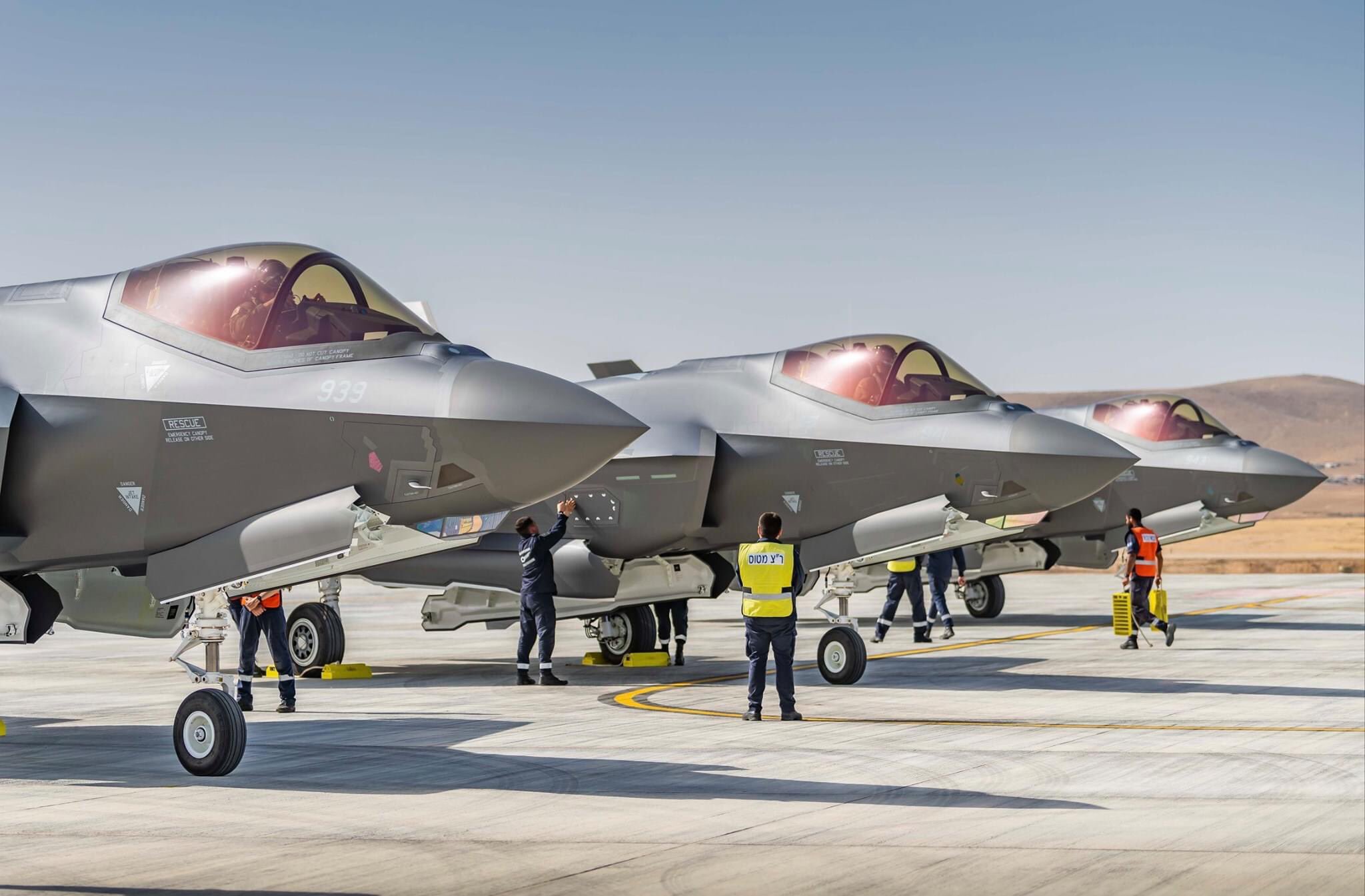
Israel Commits to Extended Iran Campaign; Approves Emergency $827M Budget
Israel signals an extended military campaign against Iran, citing thousands of targets yet to be addressed. The country has also approved an $827 million emergency budget for military operations, marking a strategic escalation in the conflict.
Israel has indicated that its military campaign against Iran could extend for at least three more weeks, with military operations targeting thousands more sites. This announcement comes as the conflict with Iran reaches its third week, showing no signs of resolution. The Israeli government has underscored its determination by approving a significant emergency budget to sustain its military initiatives.
This development is rooted in the ongoing tensions between Israel and Iran, which have been fraught with military confrontations and retaliations over regional influence and security concerns. Israel views Iran's regional activities and nuclear ambitions as direct threats to its national security, prompting a proactive military stance.
The strategic significance of this escalation lies in its potential to destabilize an already volatile Middle East. Prolonged military engagement risks drawing in other regional players, exacerbating sectarian and geopolitical divisions. This can lead to wider regional conflict, reflecting the fraught balance of power.
Israeli Prime Minister and military leaders are motivated by a perceived necessity to curb Iranian influence and perceived threats from Iran's military capabilities. Despite international calls for restraint, Israel appears resolute in its course of action, prioritizing national defense interests.
The Israeli cabinet has sanctioned an emergency budget amounting to 2.6 billion shekels ($827 million) to procure critical military supplies and sustain its offensive operations. This financial commitment underscores the high stakes and long-term preparations involved in the campaign against Iran.
The immediate consequence of this extended military campaign is likely increased hostilities. Escalation vectors may include retaliatory strikes from Iran, potential disruptions in global oil supply routes, and further militarization throughout the region.
Historically, military escalations between Israel and Iran have often spiraled into broader conflicts involving proxies across the region. The 2006 Lebanon War and multiple Gaza conflicts offer precedents for how quickly localized military actions can expand into wider hostilities.
Going forward, key intelligence indicators to monitor will include Israel's military movements and rhetoric, Iran's response measures, and any shifts in the positions of major powers such as the United States, Russia, and China. The international community's capacity to mediate or influence de-escalation will be critical in the coming weeks.