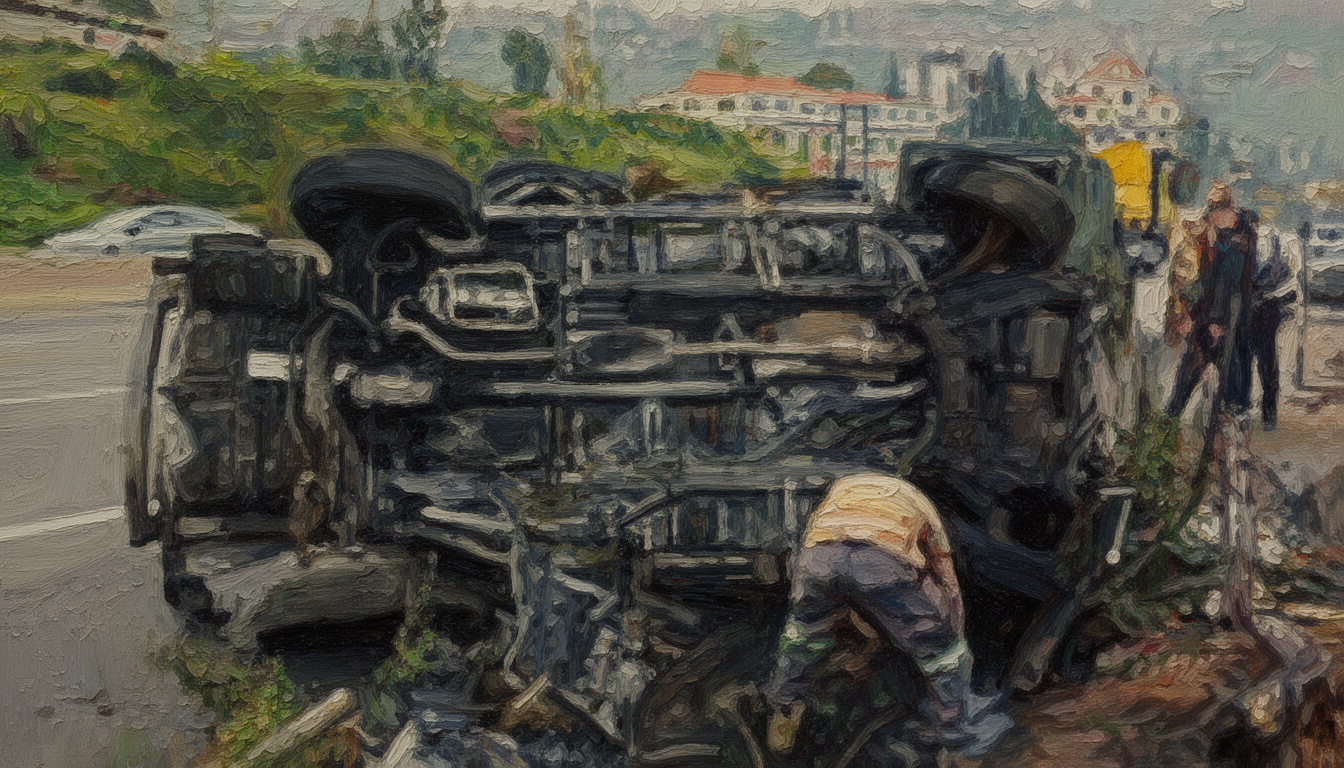
Israel and Hezbollah continue attacks after Israel-Lebanon talks in US
Direct talks between Israel and Hezbollah in the United States yielded a rare diplomatic moment but did not stop the fighting. Attacks intensified along the Lebanon-Israel border as Israel hit southern Lebanon and Hezbollah fired rockets into Israel. The exchange raises questions about the durability of regional deterrence and the risk of broader regional escalation.
Israel and Hezbollah continue to exchange strikes following rare direct negotiations in the United States. Israeli strikes hit southern Lebanon, while Hezbollah rockets target northern Israel. The day after the talks, violence resumed with a notable intensity, signaling that neither side has achieved a strategic pause. The surrounding security environment remains volatile, with the potential for miscalculation escalating the crisis.
Background on these incidents shows a long-running pattern of cross-border fire that periodically spikes into broader clashes. Diplomatic engagement in Washington aimed to tamp down tensions, but the immediate effects were limited to tactical engagements along the border. The region has seen episodic escalations when negotiations stall or when outside actors seek to influence outcomes. Observers warn that misperceptions and retaliation cycles could pull in regional actors unexpectedly.
Strategic significance centers on deterrence dynamics between Israel and Iran-linked proxy forces in the Lebanon theater. A sustained exchange of fire tests the credibility of mutual deterrence and could complicate Israel's broader security calculus. For Hezbollah, maintaining pressure on Israeli territory without triggering a full-scale war remains a core objective. The talks in the US underscore a continued struggle to convert diplomacy into durable strategic quiet.
Technical and operational details remain fluid, with confirmed reports of Israeli air and artillery strikes in Lebanon and rocket salvos directed at Israeli territory. Exact weapon types and battle configurations are not fully disclosed, but the pattern suggests a mix of conventional fire and precision targeting in border towns. Civilian impact is likely to rise as flare-ups continue, complicating humanitarian access and local governance along the frontier.
Likely consequences include a continuation of episodic border fighting and heightened alert levels on both sides. If talks stall again, the risk of rapid escalation could grow, including potential Israeli cross-border strikes or Hezbollah responses in other Lebanese areas. Analysts expect regional actors to recalibrate their posture around the Lebanon front, seeking to constrain or exploit any perceived gaps in deterrence while preventing a wider war.