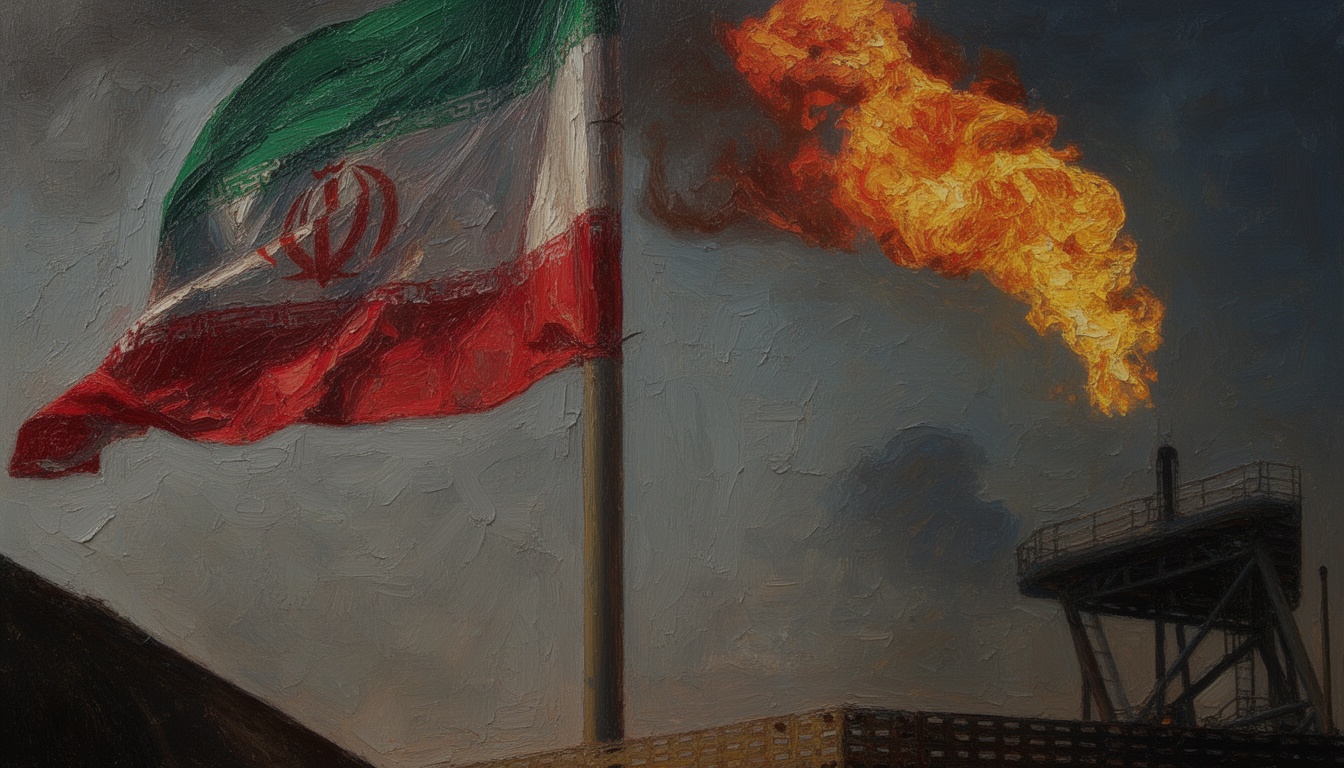
Is the US pressuring China with Hormuz blockade?
Strategic headline. The blockade of Iranian ports is framed by analysts as an assertion of maritime supremacy around a global energy chokepoint, not a coercive lever to force China into Iran talks. The move signals high-stakes great-power competition and risks broader regional escalation.
The United States has initiated a naval blockade around Iran's port system, framing it as a bid to constrain Tehran's maritime access and pressure for a rapid end to the war. Analysts contend the objective is to demonstrate command of the world’s pivotal energy artery, rather than to coerce Beijing into pressuring Iran toward a peace deal. Washington asserts legal and strategic justifications, while Tehran warns of retaliation and vows to defend national interests. The blockade began formally on Monday, triggering a chorus of warnings from Iranian leadership and regional actors about potential spillovers into shipping lanes and energy supplies.
Background has hardened since Tehran’s reversal from previous nuclear diplomacy and its regional assertions. The Hormuz chokepoint remains the single most important corridor for crude and condensate flows, linking Gulf producers with global markets. U.S. carriers have repeatedly stressed freedom of navigation and allied interoperability in international waters, while adversaries emphasize the risks of miscalculation and misidentification. This operational drama sits atop a broader canvas of U.S.-China strategic competition, where maritime power projection is a core currency. The timing suggests Washington seeks to underline its comparative advantage in open-sea operations and allied logistics.
Strategically, the blockade operates at the intersection of deterrence and contestation. A successful show of maritime dominance could complicate Iran’s export strategies and constrain its revenue streams, potentially pressuring Tehran to adjust its regional calculations. For China, the episode is a reminder that access to energy routes remains a vital variable in its own growth model and security calculus. The wider implication is a warning to any actor contemplating disruptions to the global oil system, with Washington aiming to deter coercive steps by rival states through demonstrated sea-control capacity.
Technically, the U.S. Navy has positioned a sizable presence in the area, with at least 15 ships deployed to monitor, escort, and interdict shipments as needed. The force mix reportedly includes a spectrum of surface combatants, support vessels, and air elements capable of long-range surveillance and rapid response. Command and control nodes in the region have been stressed to ensure coherent air and sea integration with regional partners. Operational details remain fluid, with rules of engagement and port access negotiations shaping the practical reach of the blockade day by day.
Looking ahead, the blockade risks amplifying tensions without delivering a swift resolution to the Iran war. Economic pressure could feed a cycle of denial and retaliation, affecting global energy markets and regional stability. Washington faces a careful balancing act between pressuring Tehran and avoiding a broader escalation that could draw in other powers or trigger unexpected retaliatory steps. Analysts predict heightened diplomatic activity around the edges of the crisis, as allies recalibrate liabilities and red lines, and as the maritime theater becomes a proving ground for great-power deterrence.