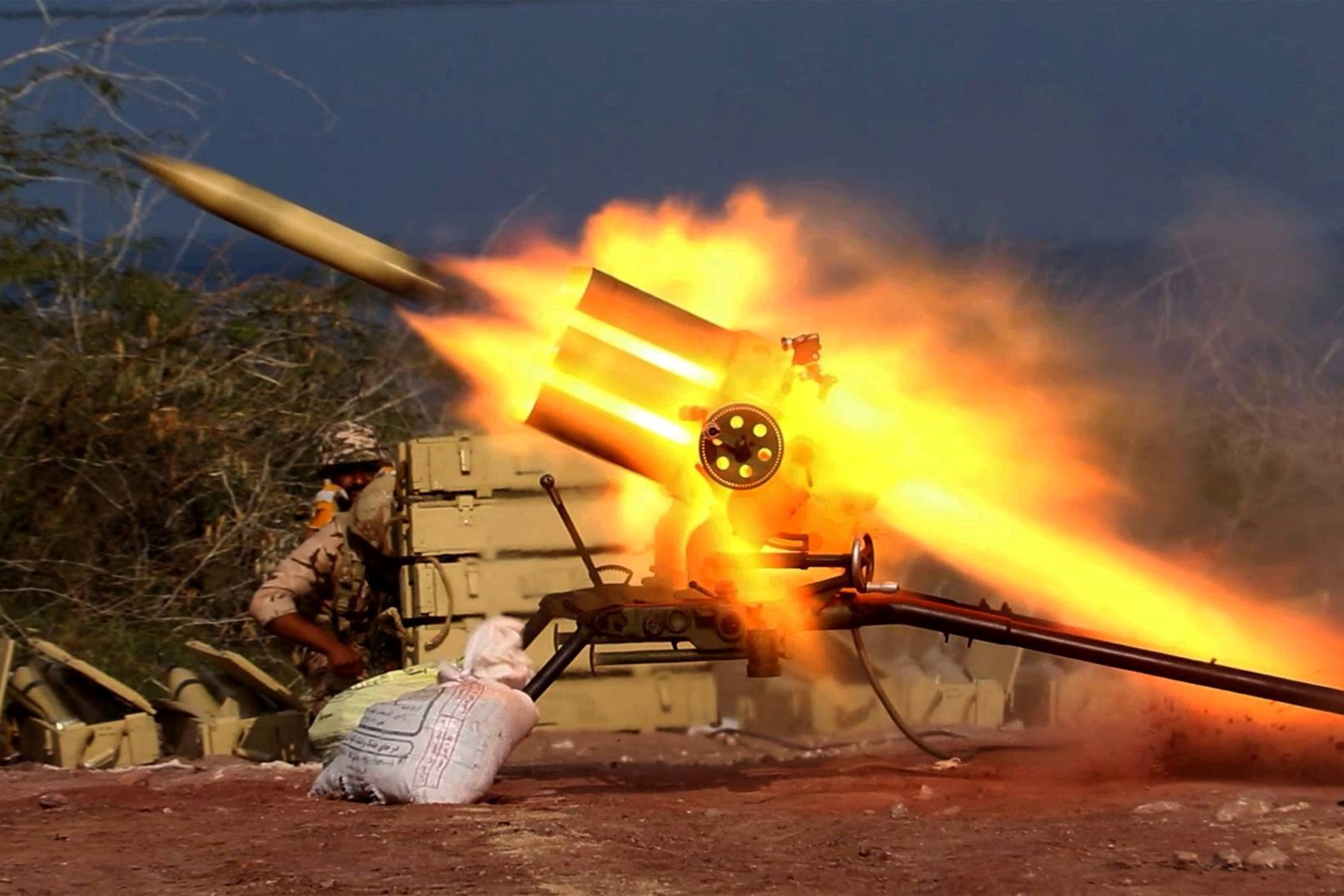
IRGC Promises Prolonged Conflict Despite Losing Leadership and 43 Warships
The IRGC's commitment to a six-month war escalates tensions with the US and Israel, despite sustaining significant operational losses. This situation threatens to destabilize the region further and challenge strategic balances.
The Islamic Revolutionary Guard Corps (IRGC) has declared its ability to sustain an intense war against the US and Israel for a minimum of six months, despite suffering recent leadership losses and the destruction of at least 43 naval vessels. This assertion reflects the IRGC's determination to display resilience in the face of mounting challenges, signaling a potential escalation in hostilities on multiple fronts.
This declaration comes in the wake of increased military confrontations and political instability within Iran. The IRGC has faced intensified scrutiny following air and naval assaults that reportedly resulted in the loss of 43 warships, significantly crippling its naval capabilities. This operational setback not only undermines Iran's regional maritime power but also highlights the challenges faced by Tehran in maintaining its influence and deterrent posture against adversaries.
The significance of this situation lies in the heightened potential for regional conflict escalation, particularly as Iran's rhetoric intensifies in the face of its military setbacks. An IRGC commitment to battle for six months indicates both a defiance of external pressures and a critical moment in which the Islamic Republic could either solidify its position or unravel further. The destabilization of Iranian military capabilities poses risks not only to regional allies but also to the integrity of ongoing geopolitical balances in the Middle East.
Key actors in this scenario include the IRGC, which aims to reaffirm its military efficacy and national pride; the Iranian leadership, navigating a fraught internal political landscape; the US, which continues to apply pressure through sanctions and military posturing; and Israel, ready to exploit any perceived weakness in Iranian defenses. Each player has distinct motives—Iran seeks to maintain its ideological and military sovereignty, while adversaries like the US and Israel aim to dismantle Iranian regional influence and capabilities.
From a technical perspective, the loss of 43 warships indicates a critical blow to the IRGC's naval power, undermining its ability to project force across the Persian Gulf and maintain control over vital trade routes. This limitation could necessitate a strategic recalibration on Iran's part, perhaps relying more heavily on asymmetric warfare tactics and proxy forces, as opposed to conventional naval engagements.
Consequences of this development are likely to include increased operational volatility and a higher risk of military confrontations in the Gulf region. Iranian threats to engage in prolonged combat could trigger preemptive strikes or greater military involvement from adversaries, escalating tensions into open conflict. The international community should prepare for unpredictable outcomes as the situation evolves, including further sanctions or destabilizing military aid to regional allies.
Historically, similar defiant stances from Iran have led to wars of attrition that strain both military resources and civilian populations. Previous conflicts, such as the Iran-Iraq War, highlight the capacity for sustained engagements despite significant losses, and may serve as a precedent for understanding the IRGC's current resolve.
Looking ahead, analysts should closely monitor key indicators: changes in IRGC operational tactics, shifts in leadership dynamics within Iran, and the responses from US and Israeli military strategies. The IRGC's commitment could unleash further conflicts or lead to desperate measures as the Islamic Republic strives to regain control over its military narrative and regional influence.