IRGC Imposes Toll on Merchant Ships in Strait of Hormuz
Iran’s IRGC is enforcing a toll system on merchant ships transiting the Strait of Hormuz, seeking to exert control over this critical chokepoint. This escalation risks heightening regional tensions and complicates global maritime trade vital to energy flows.
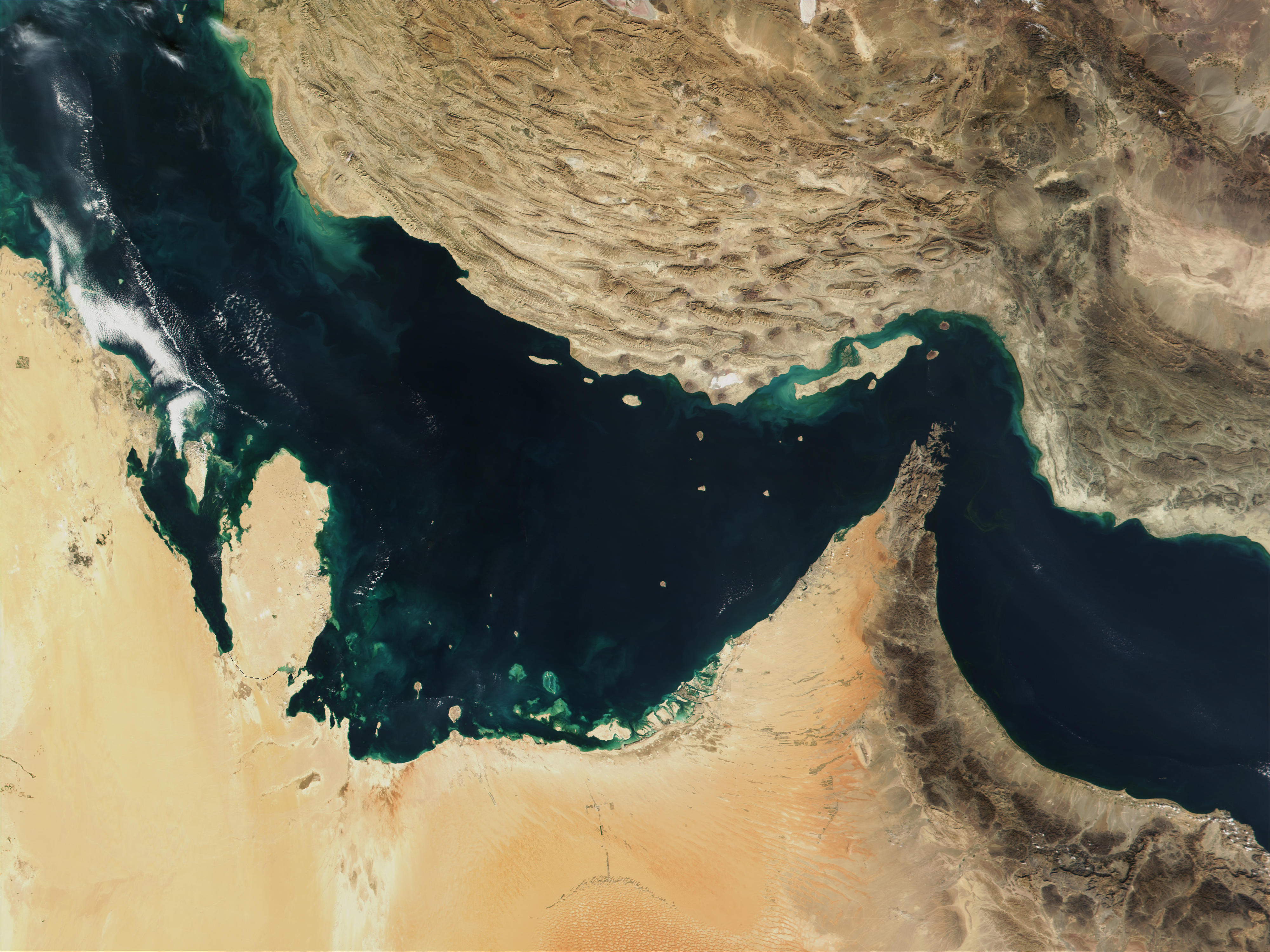
The Islamic Revolutionary Guards Corps (IRGC) has established a tolled passageway for merchant vessels in the strategic Strait of Hormuz, marking a significant move to tighten control over this vital maritime artery. Merchant ships now face a fee to transit a corridor within Iranian territorial waters, bypassing Oman’s waters by passing around Iran’s Larak Island. This toll system was implemented last week, signaling Tehran’s intent to leverage geography for strategic gain.
The Strait of Hormuz remains one of the world’s most critical chokepoints, through which roughly 20% of global petroleum passes. Control over this narrow waterway bestows significant tactical leverage, making Iran’s recently imposed toll a potential flashpoint for regional and international maritime security. Historically, vessels have adhered to established transit patterns that minimized Iran’s direct control, but the new toll mandates compliance or rerouting.
The tollway passes through Iranian waters, changing the operational dynamics for international shipping. Ships must now negotiate payment terms with the IRGC to ensure safe passage, enhancing Tehran’s ability to monitor and potentially restrict flow based on political or economic objectives. This development reinforces IRGC’s dominant role in Iran’s military posture and the security of its maritime borders.
The tollbooth’s enforcement involves navigating around Larak Island, a location Iran controls firmly, enabling checkpoint operations. Vessels previously traversed closer to Omani waters, minimizing exposure to Iranian authority. The tactical shift allows Iran to impose economic costs on maritime operators while projecting power in a region already rife with geopolitical competition.
Looking forward, this toll system could escalate tensions in the Persian Gulf, inviting international pushback from maritime and energy-dependent nations. The risk of confrontations or disruptions at this bottleneck grows, potentially disrupting global oil supplies and complicating diplomatic negotiations aimed at stability in the Gulf region.