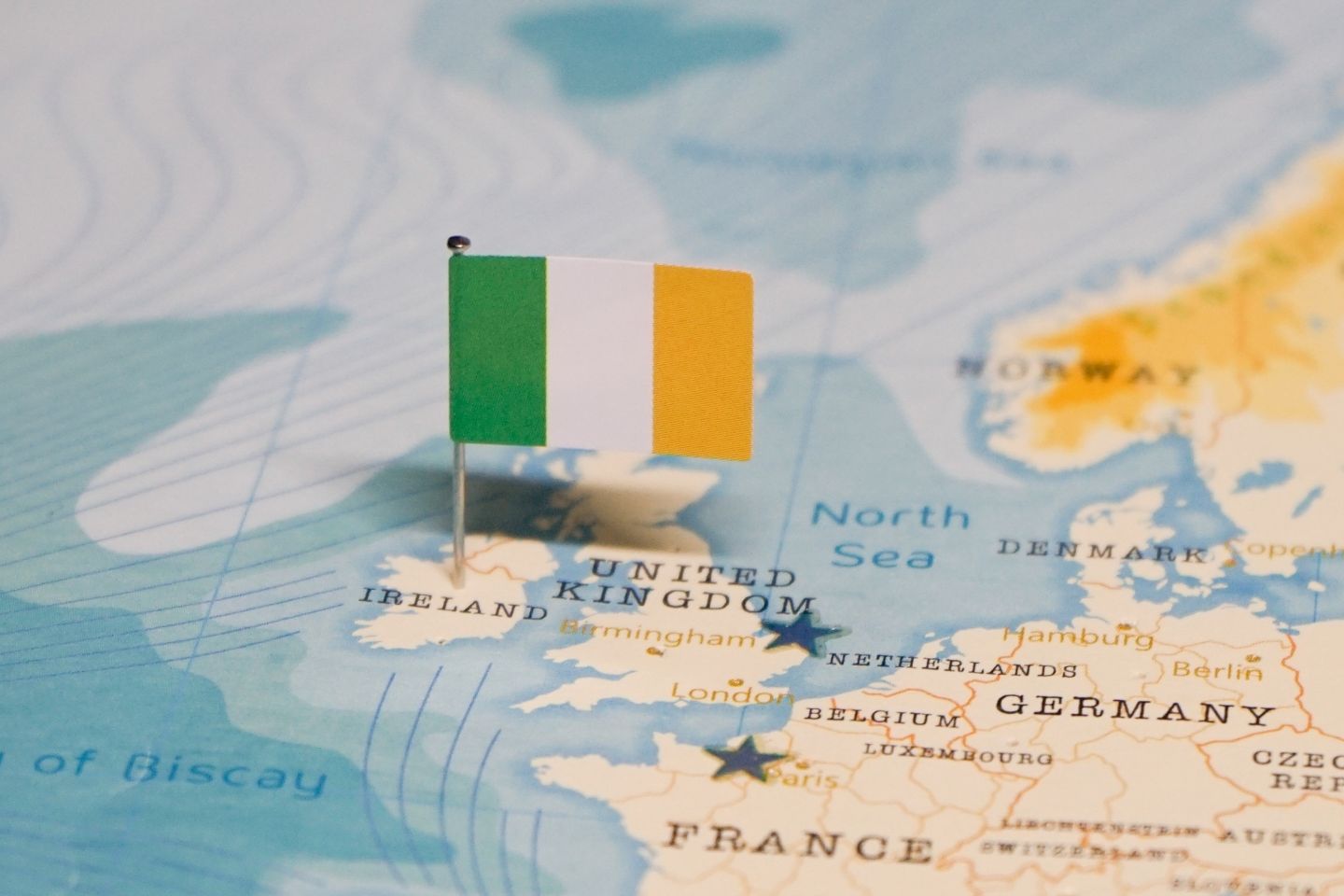
Ireland Initiates Defensive Revamp Amid Evolving Security Threats from Russia
Ireland's reassessment of its defense posture marks a significant shift in its longstanding policy of neutrality. This development aligns with broader European efforts to strengthen military capabilities in response to perceived threats from Russia.
Ireland has recently announced a comprehensive review and revamp of its defense strategy, a notable departure from its longstanding policy of military neutrality. This decision was catalyzed by the changing security environment in Europe, particularly in light of Russia's aggressive actions in Ukraine and its broader military posturing. The Irish government plans to increase defense spending considerably, aiming to bolster its military capabilities and ensure that it can effectively respond to emerging security challenges.
The strategic implications of this decision are significant for the European security landscape. Ireland's historical commitment to neutrality has shaped its military and diplomatic posture for decades. However, the recent geopolitical climate, characterized by Russian military aggression, has compelled Ireland to reassess its position. By moving towards rearmament, Ireland is paving the way for closer military integration with EU and NATO partners, which could further influence collective security dynamics in the region.
Key players in this shift include the Irish government, military leadership, and European Union defense bodies. The Irish Minister for Defence has championed this initiative, advocating for greater investment in defense infrastructure and capabilities. This initiative reflects a broader sentiment among EU nations that view a stronger collective defense posture as essential for regional stability and deterrence against potential aggressors.
The implications of Ireland's decision resonate beyond its borders. For European nations facing similar threats, Ireland’s pivot from neutrality may encourage collaboration on defense initiatives and joint exercises. Furthermore, such shifts can pressure neighboring countries to enhance their own military arrangements, potentially leading to a recalibration of threat perceptions across the continent.
Historically, Ireland has maintained a neutral stance, participating in UN peacekeeping missions rather than collective defense alliances. This recent strategic pivot, therefore, marks a significant evolution in Ireland's defense policy and may set a precedent for other traditionally neutral states to reevaluate their own military postures in response to evolving security threats.
Analysts are observing this development closely, as it suggests a potential broader trend among neutral states in Europe to enhance military readiness. The long-term outlook will depend on Ireland's capabilities to effectively implement this strategy and the response from its European partners in fostering a cohesive security environment against external threats.