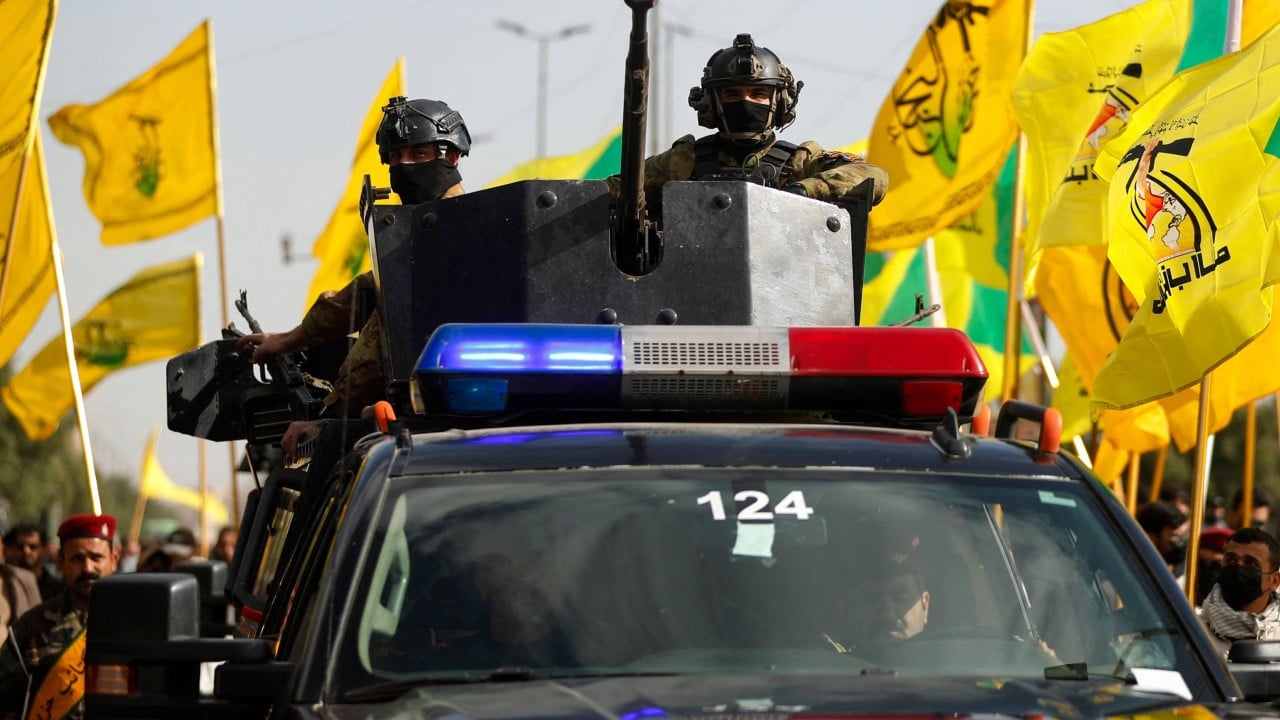
Iraq Strikes Kill 2 Iran-Backed Kataeb Hezbollah Members in Baghdad Crisis
The targeted strikes in Baghdad escalate tensions in a volatile proxy battleground, marking a dangerous shift in US-Iran dynamics. This incident signals a renewed intensity in conflicts spanning the Middle East since February's outbreak of war.
Explosions erupted in Baghdad early Saturday as targeted strikes hit a residence linked to the Iran-backed militia Kataeb Hezbollah, resulting in the deaths of two members, including a high-ranking figure. This marks the first direct assault in the heart of Iraq's capital against Iranian-affiliated forces since the onset of the ongoing conflict in the region on February 28. The attacks underscore the ongoing volatility in a country already strained by deep-seated sectarian and geopolitical rifts.
Baghdad has long served as a battleground for influence between the United States and Iran, with both nations leveraging local proxy groups to pursue their strategic interests. The relationship between the Iraqi state and these Iranian-linked militias has been fraught, often with militia groups asserting authority amid government weakness. The current wave of hostilities had risen as Palestine-Israel tensions escalated, drawing in regional powers and complicating Iraq's precarious position.
The significance of these strikes cannot be overstated, as they ignite not only renewed hostilities in Iraq but also reflect a shifting power dynamic in the broader Middle East conflict. The killings of Iran's affiliates in such a pivotal location reveal vulnerabilities in Iran's strategic plan to maintain influence over Iraq. Additionally, these developments heighten the potential for retaliatory strikes from Iran and its proxies in the region, which could spiral into wider escalations involving the U.S. and its allies.
Key actors in this crisis include the United States, which has long sought to curtail Iranian influence in Iraq, and Iran, which regards Kataeb Hezbollah as a critical asset for maintaining its foothold in the region. U.S. actions appear aimed at undermining Iran’s capabilities before the situation deteriorates further. Conversely, Iran's strategy is focused on demonstrating resilience and retaliation capabilities, particularly in response to perceived aggression from the U.S.
Recent operational details about the strikes indicate they involved precision missiles, likely guided munitions capable of pinpointing high-value targets in densely populated areas. Reports suggest the residence used by Kataeb Hezbollah may have served as a command-and-control center for militia operations. While specific weaponry details remain undisclosed, the tactical implications of such deep strikes signal a heightened commitment by U.S. forces to eliminate Iranian influence in Iraq directly.
The likely consequences of these strikes include immediate military responses from Iran-backed militias, who may retaliate against U.S. interests in Iraq or neighboring countries. Furthermore, the strikes could set the stage for further escalation as Iran may enhance its proxy operations, complicating already fraught regional relationships. Renewed violence on Iraqi soil can also destabilize not just Iraq, but potentially spread unrest throughout the region.
This incident draws historical parallels to past U.S. operations against Iranian proxies in Iraq, notably during the peak of the Iraqi insurgency and the subsequent fight against ISIS, where targeted strikes against militia leaders generated swift retaliation. The volatile nature of proxy warfare in the region indicates that this recent attack may lead to an inevitable cycle of violence and retribution, mirroring previous escalatory episodes.
In light of these developments, intelligence watchers should closely monitor movements among Iranian forces and their affiliates, especially any signs of mobilization that might indicate an impending retaliation. The geopolitical landscape will likely shift further as the United States reassesses its presence and strategy in Iraq, and future strikes targeting Iran-backed factions may signal a new phase in this ongoing proxy battle.