Iran’s Strikes Cripple Gulf Smelters, Boost China’s Aluminium Control
Iran’s missile and drone attacks severely damaged two leading Gulf aluminium smelters, sparking fears of a major supply shock. Analysts warn this disruption will shift global aluminium production sharply toward China, amplifying Beijing’s dominance in a critical industrial metal market.
Iran launched coordinated missile and drone strikes targeting two major aluminium smelters in the Gulf region over the weekend. Emirates Global Aluminium (EGA) in Abu Dhabi reported “significant damage,” halting operations amid costly repairs, while Aluminium Bahrain is assessing damage severity at its plant.
This assault reflects escalating Tehran’s regional aggression and undermines Gulf industrial infrastructure critical to global raw material supplies. The Gulf’s aluminium smelters supply vast markets, making disruption particularly alarming as global demand remains robust.
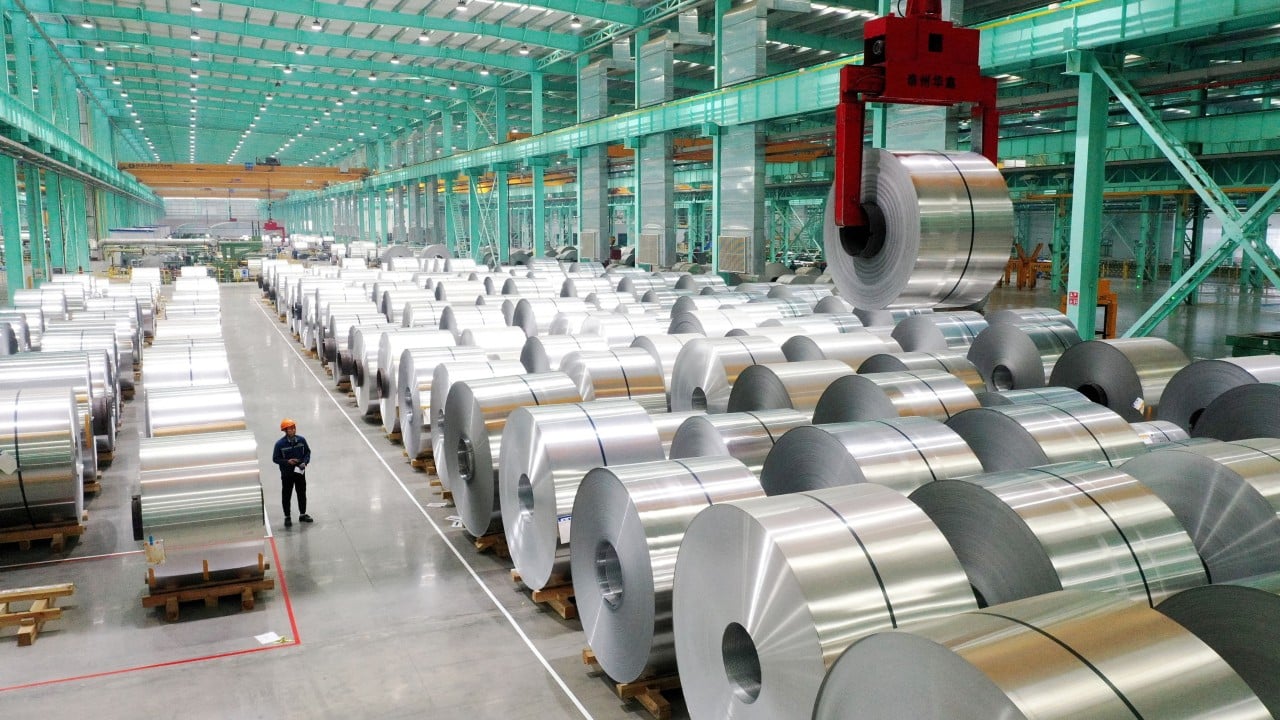
Strategically, sidelining Gulf production strengthens China’s grip on the aluminium market, which already commands over half of global capacity. China’s state-backed industry stands poised to absorb displaced output, consolidating control over prices and supply chains critical to global manufacturing and defence.
EGA’s Abu Dhabi facility is one of the world’s largest smelters, with an annual capacity exceeding 2 million metric tons, employing advanced electrolytic cells costing billions of dollars. Aluminium Bahrain, a strategic gateway, adds roughly 850,000 metric tons annually. The strikes caused multi-million-dollar damage and production losses, tightening aluminium availability.
The immediate fallout will be rising prices amid tight supply, creating volatility in global commodity markets. Longer term, China’s aluminium sector will likely expand dominant share. Western and Gulf powers face a stark choice: accelerate diversification of supply chains or cede strategic industrial leverage to China amid Middle East instability.