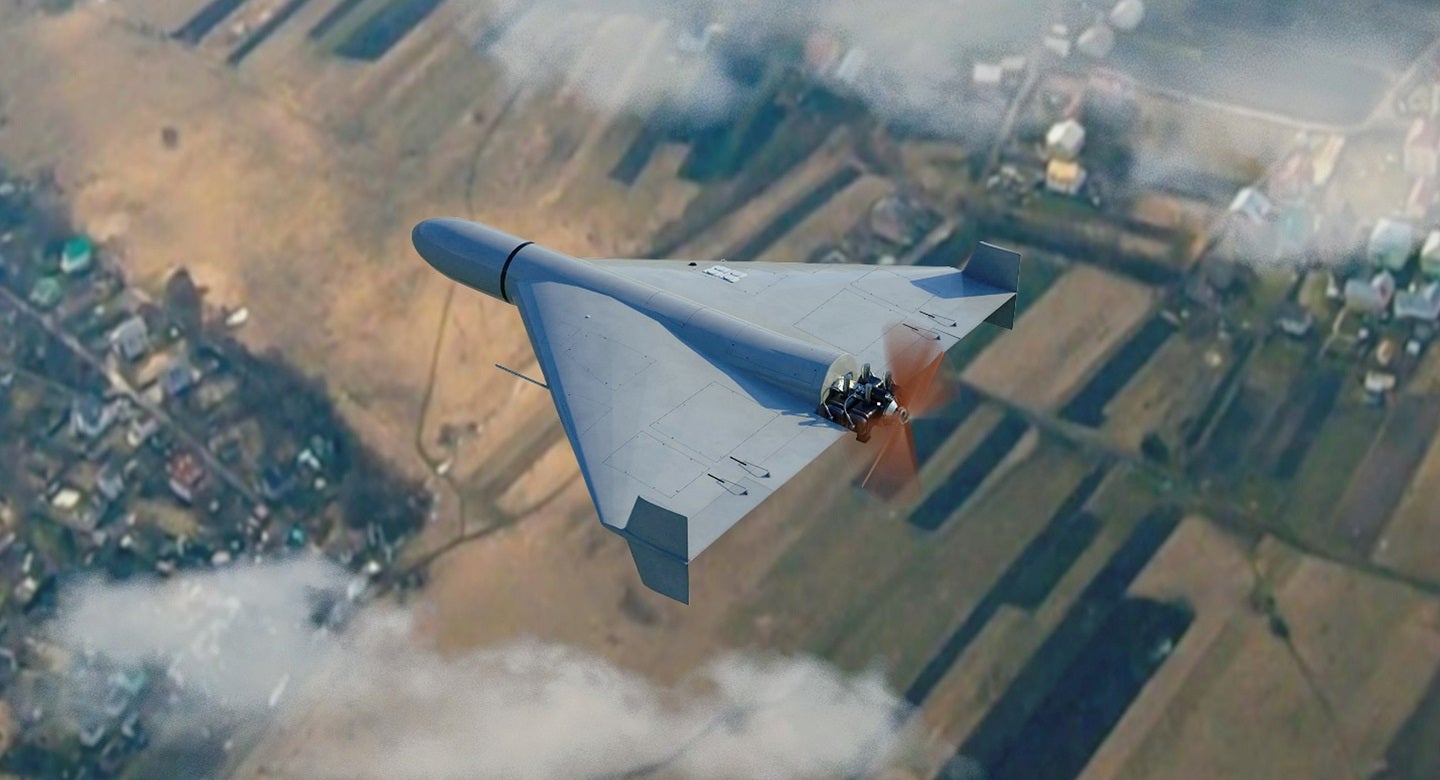
Iran's Shahed Drones Crucial for Military Strategy Amidst Isolation
Iran's reliance on Shahed drones underscores its strategic vulnerability and dependence on a single weapons platform. This escalates regional tensions and affects drone warfare dynamics.
Iran's Islamic Revolutionary Guard Corps (IRGC) is increasingly dependent on its Shahed series of unmanned aerial systems (UAS) as the nation grapples with its military limitations in conventional warfare. The production and deployment of these drones have become critical to Iran's strategic posture, particularly in conflict scenarios and proxy confrontations across the Middle East. As Tehran navigates sanctions and global isolation, the Shahed drones have emerged as a primary tool for asymmetric warfare, enhancing Iran's influence while exposing its over-reliance on this technology.
Historically, Iran's military doctrine has prioritized asymmetric warfare strategies to counterbalance its conventional weaknesses against regional adversaries. The introduction of the Shahed UAS, particularly the Shahed-136, has evolved as a response to Israel's high-tech military capabilities and the overwhelming firepower of U.S. forces in the region. Over the past few years, these drones have proliferated among Iran's proxy groups, allowing them to conduct strikes with relative impunity against targets in Iraq, Syria, and even further abroad.
The strategic significance of Iran's reliance on the Shahed drones is profound. This dependency not only highlights Tehran's limited capabilities in deploying advanced conventional forces but also raises the stakes for regional conflicts. Any disruption in the production or supply chain of these drones could severely handicap Iran's operational effectiveness, leading to potential escalations with its adversaries who may perceive an opportunity to exploit this vulnerability.
Key players in the Iranian military establishment view the Shahed drones as a dual-use tool, serving both for direct military engagement and as a means of psychological warfare. By showcasing drone capabilities in various conflicts, Iran aims to project power and deter adversaries. However, this approach runs the risk of provoking more aggressive countermeasures from Israel and Gulf states, who have invested heavily in air defense systems to neutralize such threats.
Technically, the Shahed-136 boasts a range of around 2,500 kilometers and can carry a payload of up to 50 kilograms. Iran reportedly produces these drones at an accelerated rate, including modifications that enhance their lethality and evasion capabilities. Recent intel suggests that Iran's drone production facilities are situated in multiple concealed locations to mitigate the risk of pre-emptive strikes from adversaries.
The current trajectory suggests significant destabilization is forthcoming in the Middle East. As Iran relies increasingly on its drone arsenal, regional powers may escalate arms procurement and defensive posturing, leading to heightened tensions and potential military confrontations. Should the effectiveness of Shahed drones be perceived as a game-changer, Israel and the U.S. might pursue more aggressive strategies to undermine Iran's drone capabilities.
Historically, the reliance on singular weapons systems often invites disaster. The Soviet Union's dependence on outdated hardware during the Afghan conflict serves as a cautionary tale where prolonged reliance on a specific capability limited operational flexibility and adaptability. Iran’s iteration in utilizing drones for asymmetric warfare can similarly backfire if operational dependencies are not diversified or evolved.
Moving forward, key indicators to monitor include Iran's drone production rates, the geographical spread of Shahed usage in regional conflicts, and the responses from Israel and U.S. forces in the area. Increased military exercises, technological advancements in counter-drone systems, or even pre-emptive strikes against Iranian supply lines could mark the next phase of the conflict, catalyzed by the reliance on these drones. The situation remains highly volatile, with the potential for substantial conflict escalation in the near term.