Iran's Military Operations Threaten Global Airlift and Tanker Capacities
Iran's increasing military activity risks straining global airlift and tanker resources, heightening international military logistics vulnerabilities. As operations lengthen, the potential for operational failures grows significantly.
Iran's military operations are poised to severely strain airlift and tanker resources critical for sustained military campaigns. Analysts warn that extended engagements will force air forces to confront logistical bottlenecks, significantly hampering their operational effectiveness. This escalation in military activity demonstrates Iran's willingness to test its capabilities while pushing other military powers to reconsider their own logistics frameworks under pressure.
Historically, Iran has utilized asymmetric tactics across the Middle East, including proxy forces and missile strikes, but recent mobilizations indicate a more robust, sustained military posture. This juncture is a stark departure from its previous strategy of indirect confrontation, as Tehran demonstrates increasing confidence in its conventional capabilities. These developments coincide with an uptick in tensions with the West, heightening the stakes for all actors in the region.
The significance of this situation extends beyond immediate operational challenges; it exposes the fragility of Western military logistics that rely heavily on air support and fuel availability. A protracted conflict could force military planners in NATO and allied countries to divert resources, adjust operational tempo, and potentially leave strategic positions vulnerable. The implications could destabilize the balance of power in an already volatile region and necessitate a reevaluation of international military readiness.
Key actors in this dynamic include Iran, which seeks to assert dominance in the Persian Gulf, and Western nations, particularly the United States and its allies, who must safeguard maritime routes and regional interests. Iran's motivations are rooted in its desire to bolster its influence and deter perceived threats from Western interventions, while Western militaries aim to maintain operational readiness despite growing logistical challenges. The clash of these objectives lays the groundwork for potential conflict.
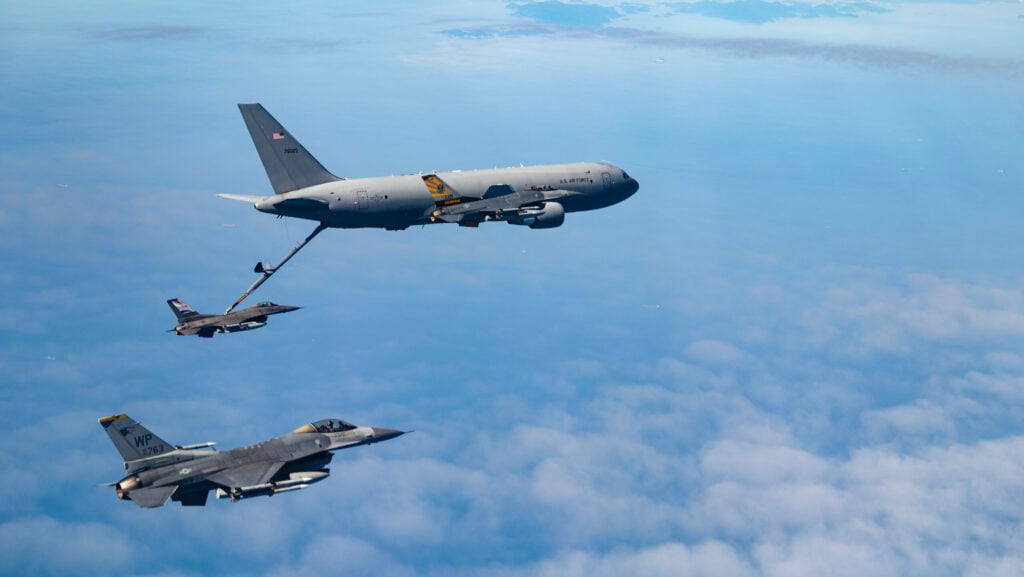
Operationally, Iran's military capabilities include advancements in missile technology and drone warfare, which complicate traditional airlift operations. The reliance on air tankers, such as the KC-135 Stratotanker and A330 MRTT, is integral to sustaining air operations, but increased demand could lead to shortages and operational failures. Any disruptions in airlift capacity due to Iranian provocations could leave ground operations critically exposed, especially in hot spots like Syria and Iraq.
Consequences of these rising tensions could manifest in reduced response times for air operations or even a reevaluation of commitments in the region. If airlift and tanker support falters, third-party states may view this as an opportunity to pursue aggressive actions without the threat of immediate retaliation. This scenario raises the likelihood of escalations between Iran and its adversaries, as both sides attempt to test the limits of their respective operational capabilities.
Historically, similar scenarios have unfolded, such as during the 1991 Gulf War, when logistical challenges played a critical role in shaping military outcomes. Poor supply lines and inadequate airlift capabilities can cripple even the most advanced military forces, highlighting the importance of logistics in modern warfare. This present situation echoes those logistical worries, compounded by the complexity of modern geopolitical alignments.
In the weeks and months ahead, attention should focus on regional military movements, airlift readiness, and any signs of escalation from Iran. Surveillance over Iranian activities, particularly around maritime routes and neighboring conflicts, will be essential intelligence indicators. Additionally, monitoring Western military responses, including potential shifts in commitments, will provide insight into the evolving operational landscape and the potential ramifications for regional stability.