Iran’s Long-Range Missiles Escalate Regional Toll with Over 100 Wounded
Iran’s harder-to-target long-range missiles survive US-Israeli air strikes, hitting Israel’s Dimona nuclear site and injuring 100+. These missile strikes reflect Tehran’s shift to more resilient launch bases in eastern Iran, increasing strategic risks in the Middle East.
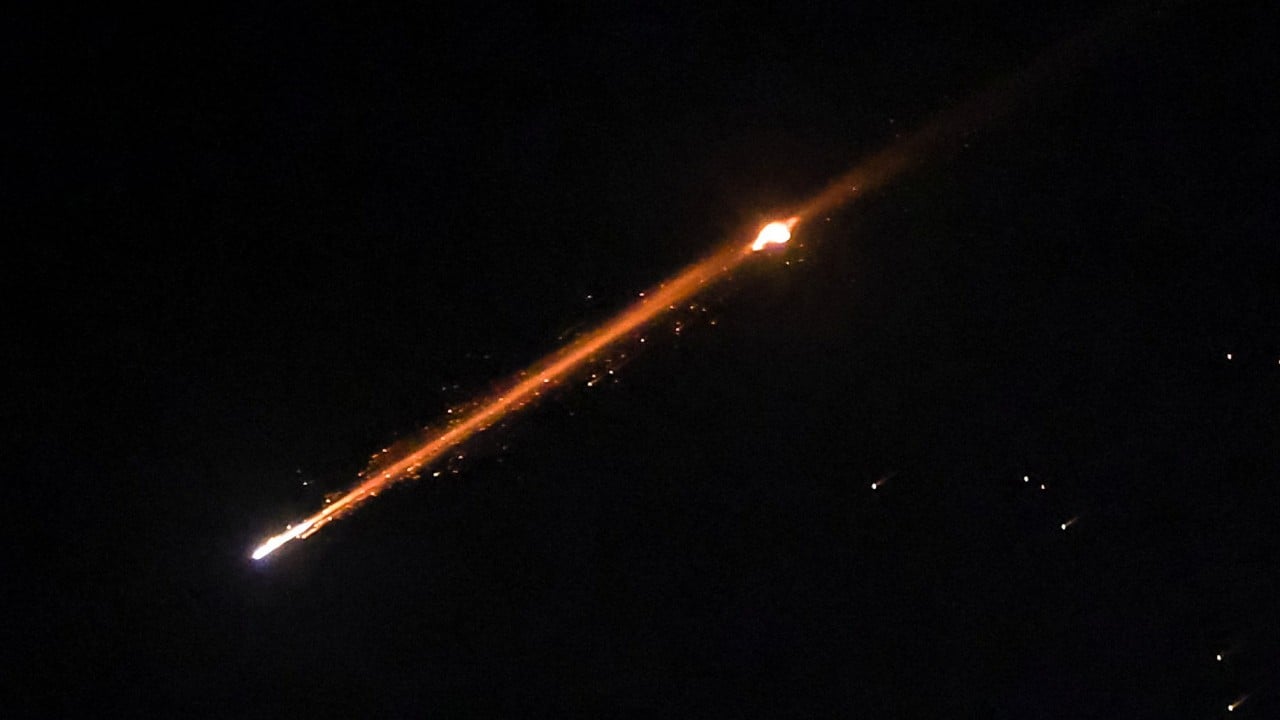
Iran’s missile capabilities endure despite relentless four weeks of US and Israeli air campaigns designed to degrade Tehran’s military infrastructure. The latest wave of missile strikes severely injured more than 100 people in Israel, focusing on the Dimona area, which houses the country’s central nuclear research facility.
Tehran’s missile forces have adapted by launching from well-protected, hard-to-reach bases in eastern Iran, preserving their strategic strike capacity. These launches largely involve Khorramshahr missiles, known for their extended range and heavy payloads, marking a tactical shift to safer deployment zones.
This evolution escalates regional tensions as Iran increases the survivability of missile forces capable of striking critical Israeli infrastructure. The ability to accurately target strategic sites bolsters Iran’s deterrence posture and complicates Israeli defense planning.
Khorramshahr missiles reportedly feature ranges exceeding 1,000 kilometers with payload capacities nearing one ton, representing a significant threat to Israel’s strategic depth. Iranian missile bases deep inside eastern provinces minimize exposure to Israeli and US aerial interdiction capabilities.
Moving forward, these developments hint at a prolonged missile confrontation, amplifying risks of further escalation in the Middle East. Israel’s vulnerabilities to Iran’s resilient missile strikes demand urgent reevaluation of regional defense and intelligence measures.