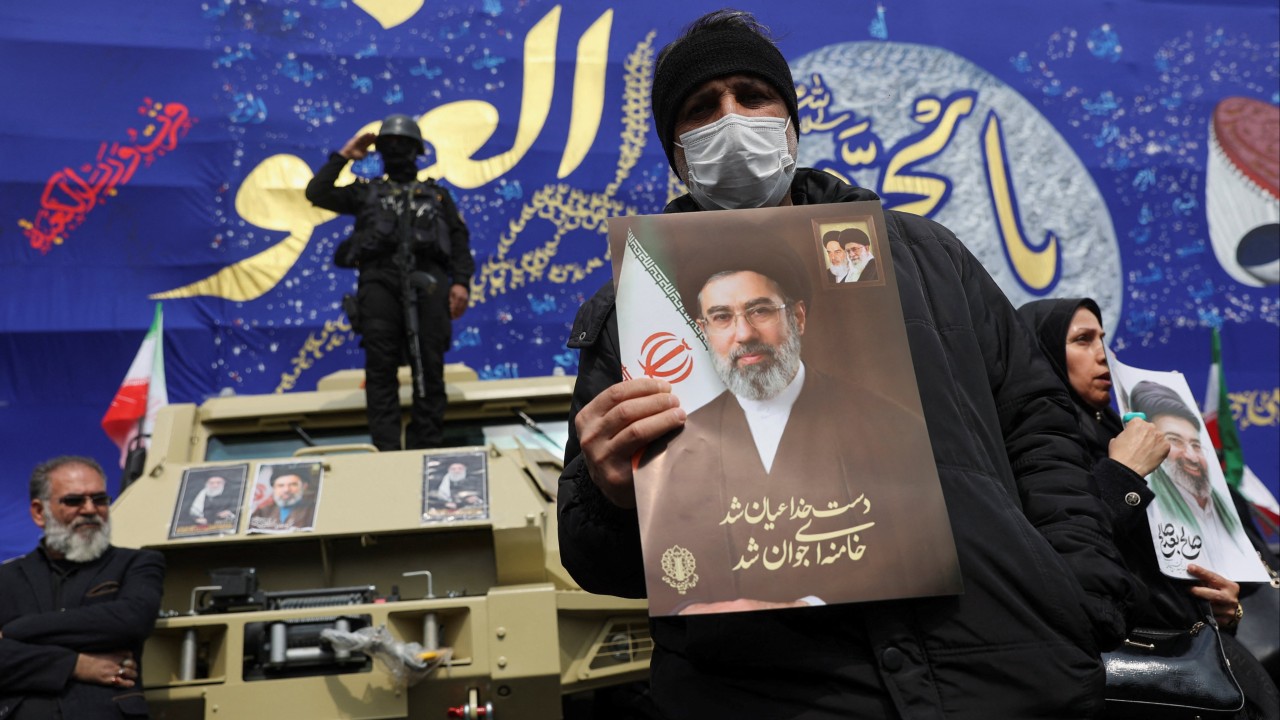
Iran's Khamenei Threatens to Block Hormuz, Target US Bases
Iran's new supreme leader escalates threats against US interests and the vital Strait of Hormuz, raising concerns of increased military conflict in the region. This bold statement underscores Tehran's commitment to confront US presence in the Middle East amid rising tensions.
Mojtaba Khamenei, Iran's newly appointed supreme leader, has issued a stark ultimatum about the future of the Strait of Hormuz, declaring it must remain closed to international shipping. He vowed to attack US military bases in the region and avenge the 'blood of the martyrs,' marking a clear escalation in Iran's confrontational posture. This statement underscores Iran's intention to leverage its control over this critical maritime chokepoint, which facilitates the transit of approximately 20% of the world's oil supplies.
The Strait of Hormuz has long been a flashpoint for tensions between Iran and Western powers, particularly the United States. Following the U.S. withdrawal from the Joint Comprehensive Plan of Action (JCPOA) in 2018 and subsequent sanctions on Iran's economy, relations have soured significantly. With the domestic political climate in Iran rallying around nationalism and defiance against perceived foreign aggression, Khamenei's stance directly reflects internal pressures and external threats that Iran faces.
Iran's threats regarding the Strait of Hormuz carry serious implications for global energy security and international maritime operations. A closure of this vital waterway would disrupt oil supplies, potentially causing global oil prices to surge dramatically. Moreover, persistent Iranian sabre-rattling exacerbates the risk of military engagement, heightening tensions among regional powers and international allies who rely on open trade routes.
Key actors in this ongoing crisis include not only Iran but also the United States, which maintains an extensive military presence in the Gulf region. Khamenei's call for the withdrawal of U.S. forces reflects Tehran's broader strategy—aiming to undermine U.S. influence in the Middle East while solidifying its own regional authority. The supreme leader's rhetoric indicates a firm alignment with hardline factions within Iran's clerical regime, who seek to project strength in the face of economic adversity.
Operationally, Iran has enhanced its maritime capabilities over the years, integrating advanced naval assets, such as the Kilo-class submarines and Ghadir-class mini submarines, into its arsenal. Reports indicate that Iran continues to improve its anti-ship missile capabilities, further threatening vessels navigating the Strait. With an immediate focus on U.S. bases, Iran may pursue asymmetric means of warfare, including drone strikes and proxy engagements against Washington’s allies in the region.
The potential consequences of Khamenei’s stance could include an aggressive military response from the U.S. and its allies, leading to heightened military confrontations. Should Iranian forces execute threats against oil tankers or military installations, a swift retaliation from the U.S. Navy becomes likely—risking an escalating cycle of violence. The international community watches closely, as vital shipping lanes may come under direct threat.
Historically, the Strait of Hormuz has been a battleground for proxy conflicts and direct confrontations, notably during the Iran-Iraq War in the 1980s, where both nations targeted shipping vessels to exert economic pressure. Today's geopolitical environment is eerily reminiscent, as Iran finds itself emboldened in its anti-U.S. stance while also facing existential socio-economic crises.
In the coming weeks, analysts will closely monitor Iranian maritime activities and U.S. military posturing in response to Khamenei’s aggressive declarations. Observers should look for indicators of mobilization among Iranian naval forces, changes in U.S. troop levels in the Gulf, and any provocations against commercial shipping as the situation develops. The world must remain vigilant, as any miscalculation could ignite a larger conflict in this crucial region.