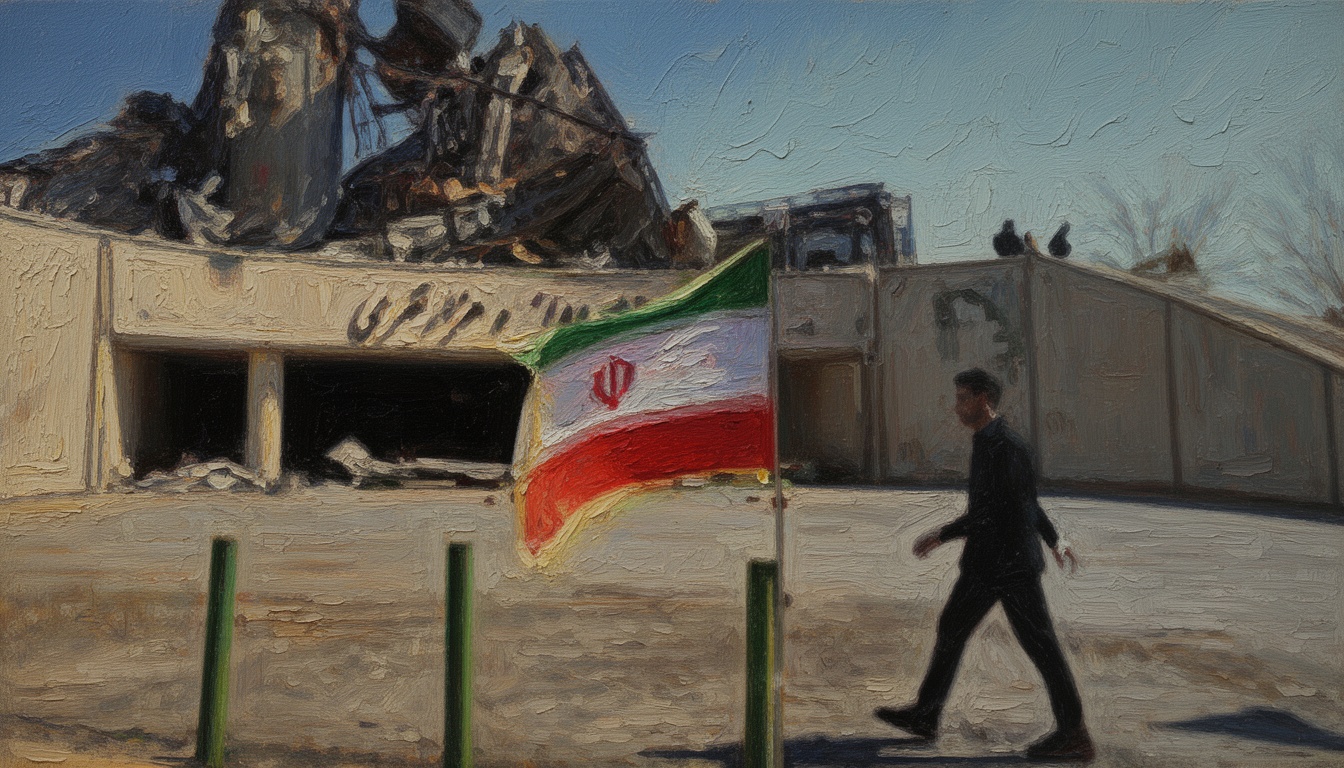
Iranians Brace for US Strikes on Infrastructure as Deadline Looms
US threatens to target Iran's power plants and bridges over Strait of Hormuz tensions. Iran faces intensified risk to critical infrastructure with regional escalation potential.
Iran faces growing threat from the United States, which has issued a stern warning to strike critical Iranian infrastructure, including power plants and key bridges, if Tehran does not comply with demands to open the Strait of Hormuz for free navigation. This threat comes as a hard deadline imposed by President Trump approaches.
The Strait of Hormuz is a strategic maritime chokepoint through which a significant portion of the world's oil trade passes. Iran has previously threatened to close the strait in response to sanctions, raising tensions across the Gulf and drawing international concern. The US demand to reopen the passage directly targets Iran's leverage in the region.
Strategically, US threats to attack Iran’s civilian infrastructure represent a drastic escalation, signaling a willingness to inflict economic damage and disrupt domestic stability to pressure Tehran. Such strikes could have severe consequences on regional security and global energy markets, potentially provoking Iran to retaliate militarily or through asymmetric warfare.
Iran’s infrastructure includes a network of thermal and hydroelectric power plants supplying electricity to major cities and industries, as well as bridges vital for internal mobility and logistics. Disabling these could cripple Iran’s economy and civilian life, creating chaos and undermining regime control.
Looking ahead, the situation risks rapid deterioration into open conflict with escalating strikes and countermeasures. International actors watch closely, as any disruption to the Strait of Hormuz not only elevates UAE, Oman, and Saudi stakes but also threatens global oil supplies and stabilizes regional security dynamics in a precarious balance.