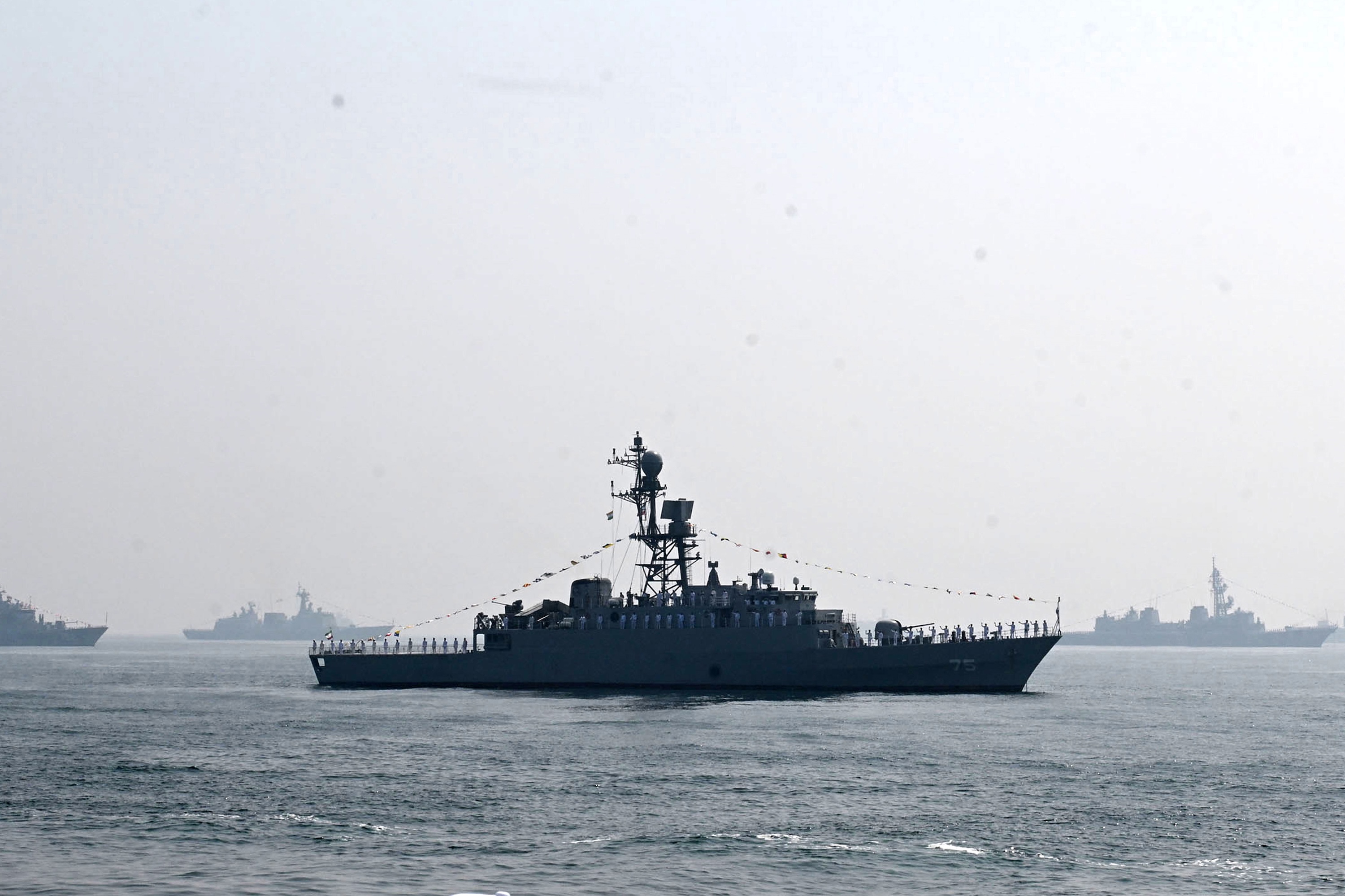
Iranian Warship Sunk by Submarine: US-Iran Tensions Escalate
The conflicting narratives surrounding the sinking of the Iranian warship heighten existing tensions between the US and Iran, signaling potential military confrontation in sensitive waters. This incident underscores the fragility of maritime stability in the Indian Ocean.
The USS Delaware, a Virginia-class attack submarine, reportedly sunk an Iranian warship off the coast of the Indian Ocean last week. Iran claims the vessel was conducting routine operations, while the US asserts it was engaged in hostile actions, leading to the decisive strike. This incident has exacerbated the already fraught relations between Tehran and Washington, threatening to ignite further conflict in the region.
Tensions between the US and Iran have been mounting since the US withdrew from the Joint Comprehensive Plan of Action (JCPOA) in 2018, reimposing crippling sanctions on Tehran. The ensuing period has seen a series of skirmishes in the Gulf, alongside Iran's aggressive development of its naval capabilities, including improved speedboats and submarines. This latest incident appears to be a culmination of years of rising hostility, highlighted by proxy conflicts throughout the Middle East.
The sinking of the Iranian warship could destabilize the already volatile maritime security landscape in the Indian Ocean, where vital international shipping lanes traverse. A confrontation between US forces and Iranian naval assets raises the risk of broader conflict, potentially involving other regional players. The incident reveals vulnerabilities in Iran’s maritime strategy, as it struggles to secure its territorial waters against advanced US naval technology.
On one side, the US aims to maintain freedom of navigation and counter Iranian influence in the region, while Iran seeks to project its power and assert its sovereignty in response to perceived US aggression. The ideological undercurrents of this confrontation complicate diplomatic resolutions, with both sides motivated by national defense and regional dominance.
Analysts suggest that US submarines like the USS Delaware, equipped with advanced torpedoes and stealth capabilities, are increasingly operating in contested waters, which could provoke further Iranian actions. The capabilities of the Iranian Navy remain limited compared to the US, with an aging fleet and recent reports of operational challenges affecting its readiness.
Immediate consequences could include heightened naval patrols by both the US and Iranian forces, increasing the risk of miscalculations and accidental engagements. Moreover, Iran may seek to retaliate through asymmetric strategies, escalating tensions through attacks on commercial shipping or proxy forces in the region.
Historically, naval engagements have often acted as flashpoints for broader conflicts, reminding observers of past incidents, such as the Gulf of Tonkin in 1964. The sinking of the Iranian warship could similarly spiral, spiraling into a military confrontation that reshapes the power dynamics in the Middle East and beyond.
In the coming weeks, attention should be directed towards Iranian military developments and potential retaliatory actions against US assets. Key indicators include tracking Iranian naval movements and changes in operational readiness, as well as the US's strategic maritime deployments in response to this incident.