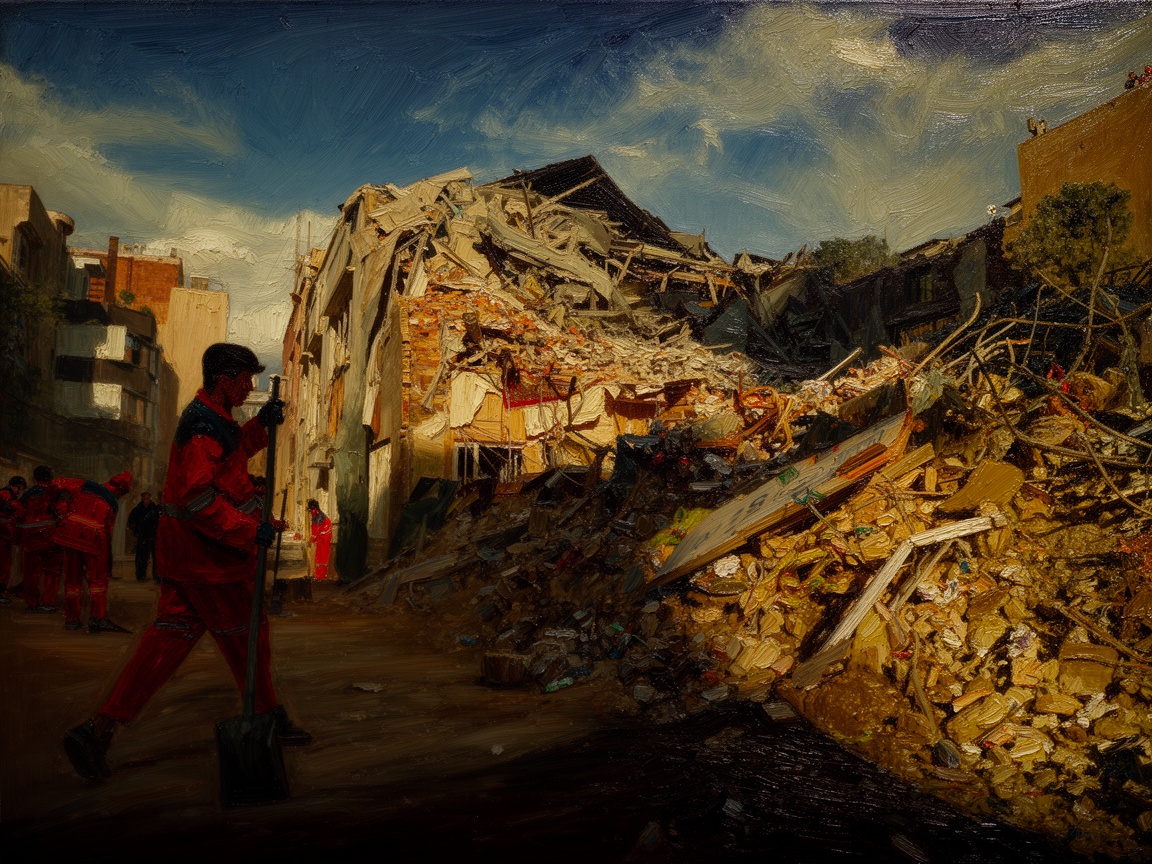
Iranian rabbi describes Israel’s destruction of a Tehran synagogue
Iranian religious leader recounts a claim of a synagogue destruction in Tehran attributed to an Israeli strike. The account, if accurate, would escalate regional tensions and complicate Tehran’s domestic and international messaging. The report underscores the fragility of urban religious sites amid rising cross-border hostilities.
An Iranian rabbi recounts that he was informed one of Tehran's few synagogues had been destroyed in an Israeli strike. The claim, presented as a personal briefing from trusted associates, cannot be independently confirmed at this time. The narrative arrives amid a heavy cadence of regional hostility and rapid information warfare surrounding Israel's regional posture. The rabbi's account immediately raises questions about the vulnerability of minority communities in Tehran and the potential escalation it signals.
The background here is inseparable from the broader crisis atmosphere between Tehran and Jerusalem. Iran has repeatedly warned of punitive responses to perceived Israeli actions, while Israel stresses its right to defend itself against threats from Iran and allied proxies. In this environment, reports of attacks on religious sites become flashpoints for domestic morale and international diplomacy. Tehran’s Jewish community has historically been entwined with the state’s religious and political optics, making such claims particularly politically sensitive.
Strategically, the alleged attack would magnify flashpoints around urban infrastructure and minority protection. If verified, the strike would complicate Iran's messaging about domestic stability and minority safety, potentially influencing internal political calculations ahead of any rapprochement efforts. It would also force regional actors to adjust risk assessments and posture toward possible Israeli or allied actions in the Persian Gulf and beyond. The incident could become a reference point for future deterrence calculations and crisis management among rival blocs.
Operationally, the report lacks verifiable details about the weapon system allegedly used, timing, or the scope of damage. No independent confirmations exist from Iranian authorities, Israeli officials, or third-party observers. The absence of corroboration invites uncertainty, but also ensures the event becomes a leverage point for information warfare and rhetorical brinkmanship. Analysts should monitor satellite imagery, NGO reporting, and official statements for any clarifying developments.
Looking forward, the claim, if substantiated, could trigger a chilling effect on Tehran’s religious minority communities and augment security measures in major urban centers. It would likely prompt surprise moves in Iranian domestic security policy and could influence Tehran's foreign policy calculus toward Israel and its regional allies. The incident would also test international norms on protection of religious sites in conflict zones and could shape future negotiations or sanctions dynamics between Iran, Israel, and their respective patrons.