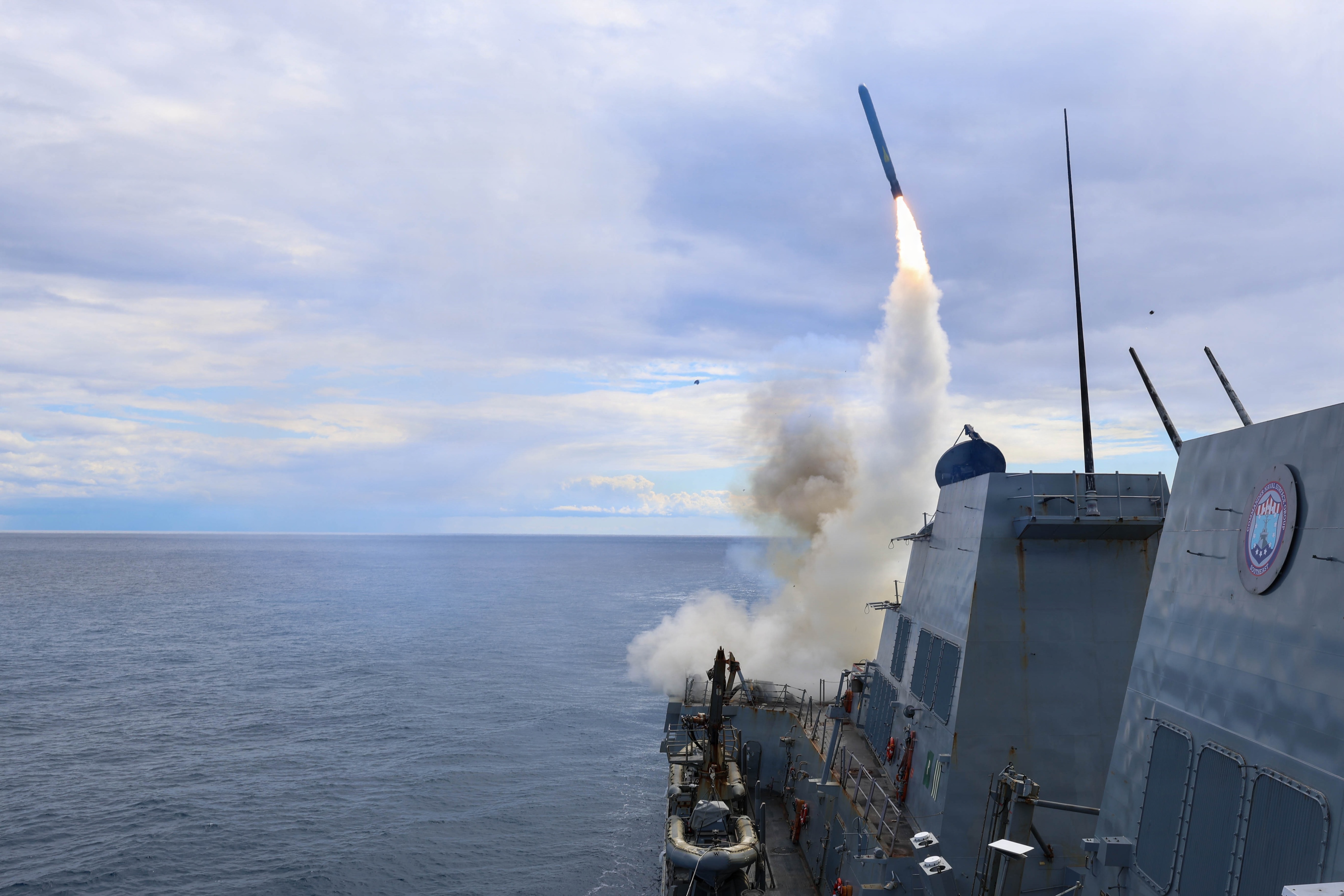
Iranian Naval Power Cripples as Nine Ships Sunk in Attack
Iran faces a severe blow to its naval capabilities as nine ships are sunk, signaling escalating military tensions in the region. This significant setback follows the reported destruction of Iran's naval headquarters.
Nine Iranian naval vessels have reportedly been destroyed and sunk in a targeted military strike, intensifying the ongoing conflict between Iran and its adversaries. This incident not only signifies a decisive military engagement but also cripples key components of Iran's maritime fleet, which plays a critical role in regional power projection and security operations.
The backdrop to this escalation traces back to heightened provocations in the Persian Gulf, where Iranian naval activities have increasingly clashed with Western naval forces. Over recent months, tensions rose following repeated military exercises by Iran that showcased its naval capabilities, including missile launch systems and fast attack crafts. This moment appears to be the culmination of a series of confrontations that have pushed both sides closer toward open conflict.
The significance of this event cannot be overstated: the destruction of nine naval ships not only reduces Iran's operational capabilities at sea but also raises questions about the resilience of its naval command and control structures. Moreover, the attack marks a worrying trend of increasing military aggressiveness from Iran's opponents, potentially destabilizing an already volatile region and inviting further retaliatory actions from Iran.
Key players in this scenario include the United States and its allies, who view Iran's naval expansion as a direct threat to shipping lanes and regional stability. Iran, facing crippling sanctions and isolation, may feel compelled to respond aggressively to maintain its deterrence posture, despite the recent losses. This conflict is being watched not only by those in the region but by global powers concerned about the implications for international shipping and energy supplies.
From a military perspective, details about the operation remain sparse, but the loss of nine ships represents a critical financial and logistical blow to Iran, which may result in long-term delays in naval operations. With estimates of repair and replacement costs potentially reaching into the billions, the Iranian military must now reassess its naval strategy and readiness.
In terms of consequences, this attack could prompt Iran to escalate further, either through asymmetrical warfare tactics such as proxy actions or direct confrontations in contested waters. The likelihood of retaliation is high, which could escalate tensions in the region, prompting a more significant military response from the U.S. and its allies.
Historical parallels can be drawn to past conflicts where maritime engagements signaled a shift in regional power dynamics. The Gulf of Tonkin incident in 1964, which escalated U.S. involvement in Vietnam, demonstrates how maritime tensions can spiral into broader military conflicts with far-reaching global consequences.
As tensions continue to rise, intelligence agencies will be monitoring Iranian military movements closely, particularly any escalations in naval exercises or missile tests in the Gulf. The international community should prepare for potential ripple effects in global oil markets and shipping routes in response to further Iranian actions or allied military measures in the region.