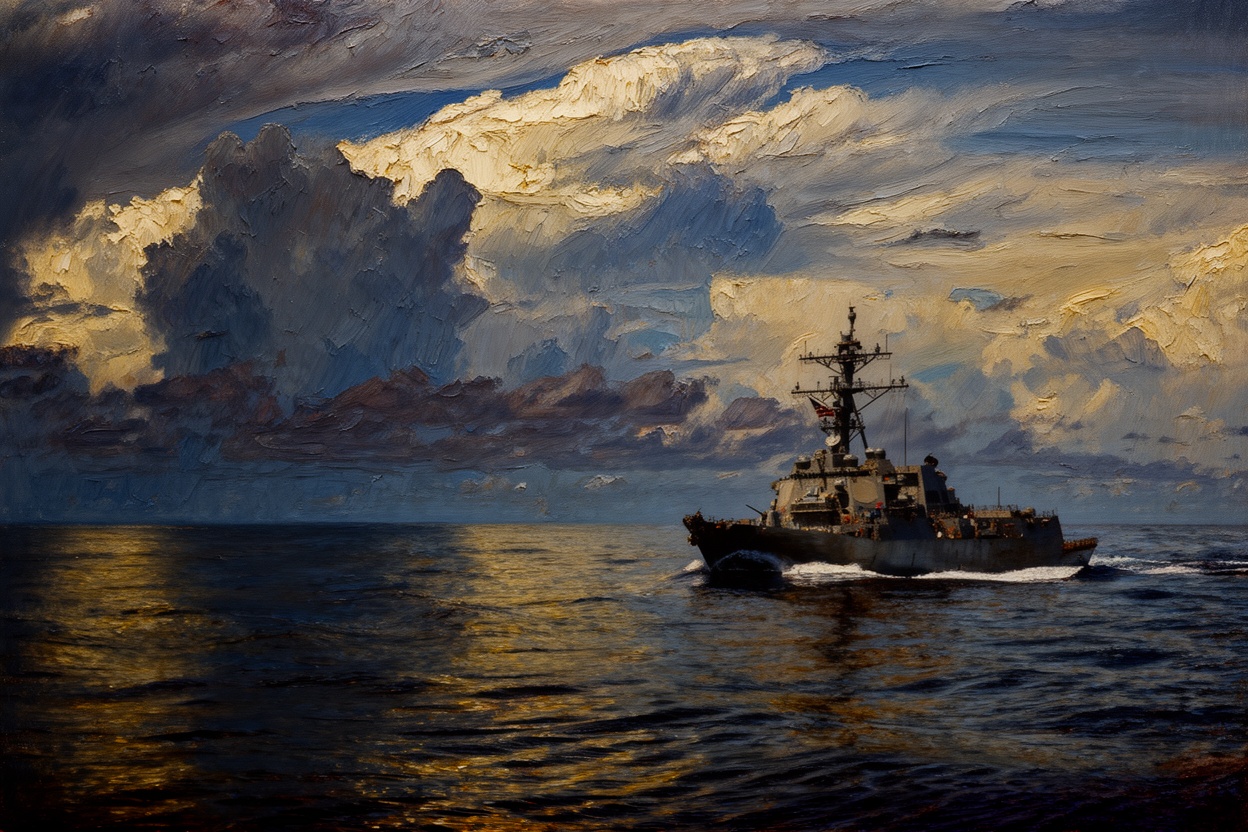
Iranian-flagged vessel intercepted near Hormuz by US destroyer
A US Navy destroyer intercepted an Iranian-flagged vessel attempting to skirt the Hormuz blockade. CENTCOM reports no vessel breached the blockade since Monday. The incident underscores the ongoing pressure on maritime traffic through the Strait of Hormuz and the broader deterrence posture in the region.
An American destroyer intercepted an Iranian-flagged vessel aiming to bypass the ongoing blockade in the Strait of Hormuz. The interception occurred under a security posture that has kept the Strait under tight scrutiny since the blockade began on Monday. No breach of the blockade has been confirmed, according to U.S. Central Command. The vessel was stopped and inspected in accordance with maritime interdiction procedures. The incident signals continued friction over freedom of navigation in one of the world's most vital chokepoints.
The background here is part of a broader pattern of maritime tension in the Gulf region. The Strait of Hormuz remains a focal point for strategic competition among regional powers and Western navies. Interceptions of ships flagged by Iran are not uncommon, but actions that test the blockade question the readiness and resolve of coalition forces in sustaining pressure. Analysts see this as a reliability test for maritime security regimes and deterrence in the waterway.
Strategically, the event feeds into a broader coercive environment around Iran’s maritime diplomacy. The blockade’s aim is to constrain Iranian access to regional trade and energy routes, while signaling redlines to Tehran. The incident also has implications for allied coordination, rules of engagement, and legal frameworks governing blockade enforcement. The balance of power in the Gulf remains sensitive to any unplanned escalation.
Technical specifics around the vessel’s identity, tonnage, cargo, and the exact timing of the interception are not disclosed in the brief description. The enforcement action would have involved standard interdiction procedures, with potential checks for contraband, provenance, and shipping documents. The blockading force would assess any threats, including potential escalation risks or attempts to disguise a legitimate commercial journey. Analysts will watch for follow-on communications, maritime transit updates, and any shifts in naval posture or allied operations in the region.
Looking ahead, the odds of further confrontations at sea persist given the strategic stakes. A successful interdiction reinforces the credibility of the blockade and may deter similar attempts. However, continued attempts by Iranian-flagged vessels could provoke periodic spikes in regional tension and require adaptive patrol patterns, risk management, and close coordination with regional partners.