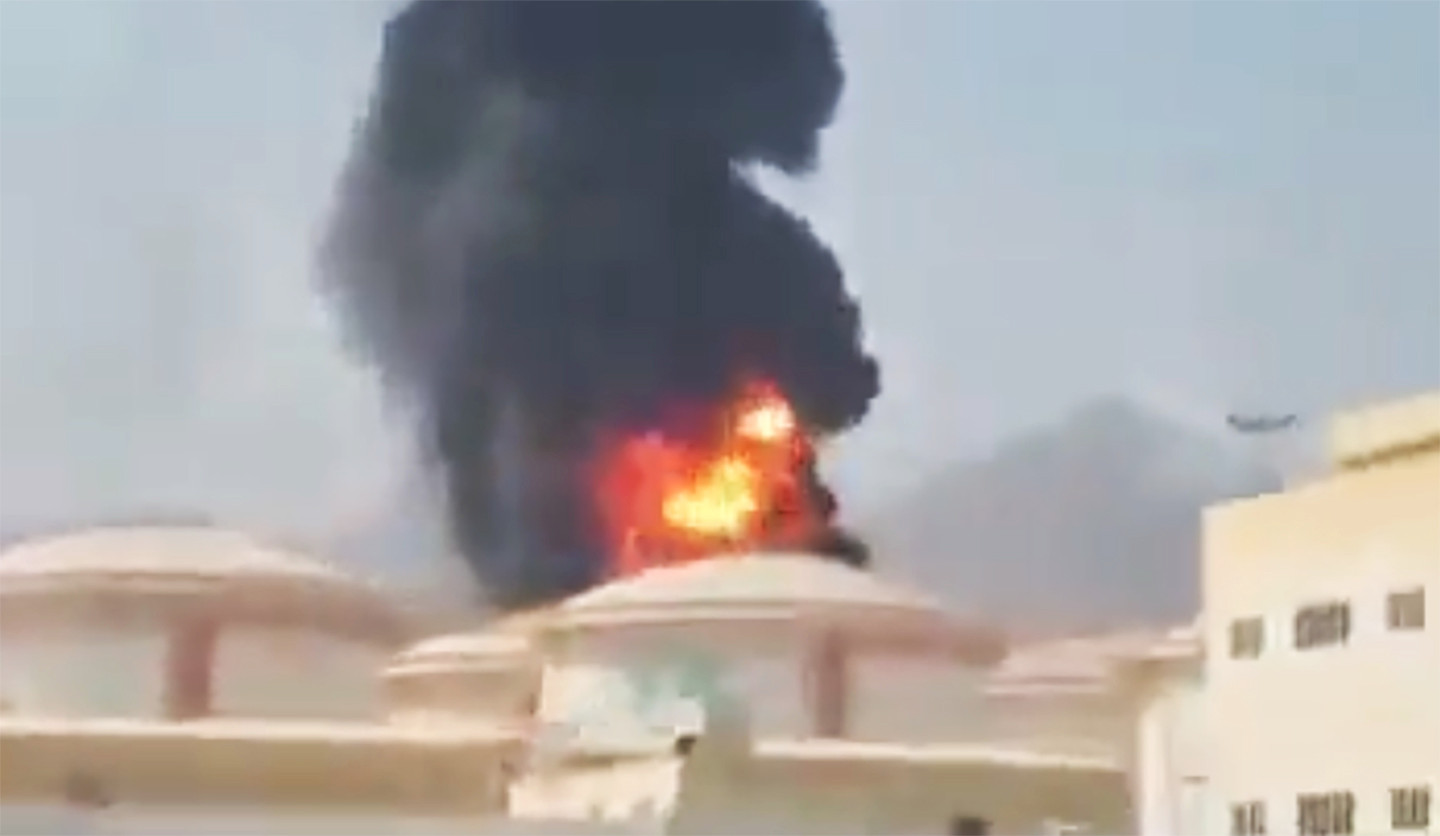
Iranian Drones Target Gulf Energy Infrastructure, Escalating Regional Tensions
Iranian drone and missile strikes on Gulf Arab states' energy facilities are intensifying, threatening regional stability and global energy markets. The persistent assaults signal Tehran's readiness to ramp up its confrontational tactics amidst collapsing diplomatic efforts.
Iran has intensified its strikes on energy infrastructure and ports across the Gulf, employing drones and missiles in a campaign that has already resulted in substantial damage and raised alarm for regional security. Notably, recent drone attacks have targeted key oil facilities in Saudi Arabia and the UAE, putting millions of barrels per day at risk and prompting urgent calls for defensive measures from Gulf Arab states.
This surge in Iranian aggression follows a history of proxy conflicts and mounting tensions between Tehran and its Gulf neighbors. The Iranian Islamic Revolutionary Guard Corps (IRGC) has steadily increased its operational capacity, leveraging drone technology amidst a backdrop of geopolitical isolation and sanctions. The recent escalation is seen as Iran's method of exerting influence and demonstrating power in a landscape characterized by dwindling international support for its regime.
The significance of these developments cannot be understated; the Gulf region is a pivotal artery for global oil supply, and disruptions could lead to skyrocketing oil prices and economic repercussions worldwide. Moreover, heightened tensions between Iran and the UAE could destabilize existing alliances within the Gulf Cooperation Council (GCC), while also risking engagement from global powers like the United States and Russia.
Key actors in this volatile situation include Iran's leadership, driven by a desire to showcase strength amid domestic and international pressures, and Gulf states like Saudi Arabia and the UAE, which are increasingly vulnerable to these new asymmetrical threats. Both Riyadh and Abu Dhabi are forced to rethink their defense strategies in light of the persistent aerial threats, seeking both immediate upgrades and longer-term military partnerships.
Operationally, Iranian drones like the Shahed-series are being deployed, which have demonstrated impressive precision and range in recent attacks. The IRGC has reportedly expanded its drone infrastructure, capitalizing on a budget reportedly exceeding several billion dollars, while Gulf states struggle to come up with an adequate response amidst their own budget constraints and protection gaps.
As Iranian drones persist in challenging Gulf air defenses, the risk of conflict sharply escalates, with potential ripple effects involving regional allies and adversaries. An ongoing cycle of retaliation may ensue, emboldening Iranian proxies across the region to adopt similar tactics, inevitably dragging more international stakeholders into the crisis.
Historically, this situation echoes past confrontations in the region, notably the series of proxy engagements during the 2000s, demonstrating how asymmetrical warfare in the Gulf can lead to wider hostilities. The use of drones by non-state actors is not new, but Iran's integration of these technologies into its military strategy represents a significant shift that could reshape future conflicts in the region.
Moving forward, defense analysts will be particularly focused on Iran's upcoming military exercises and any announcements regarding drone production capabilities. Intelligence indicators that signal further escalatory actions, such as troop movements or increased drone launches, will be critical for anticipating the trajectory of this conflict and its potential implications for global energy security.