Iranian Drone Threat Grows, Pentagon Admits Major Countermeasures Failures
The Pentagon's admission of shortcomings in counter-drone technology highlights a critical vulnerability for U.S. forces. This escalation in Iranian drone capabilities poses direct threats to American military assets and regional stability.
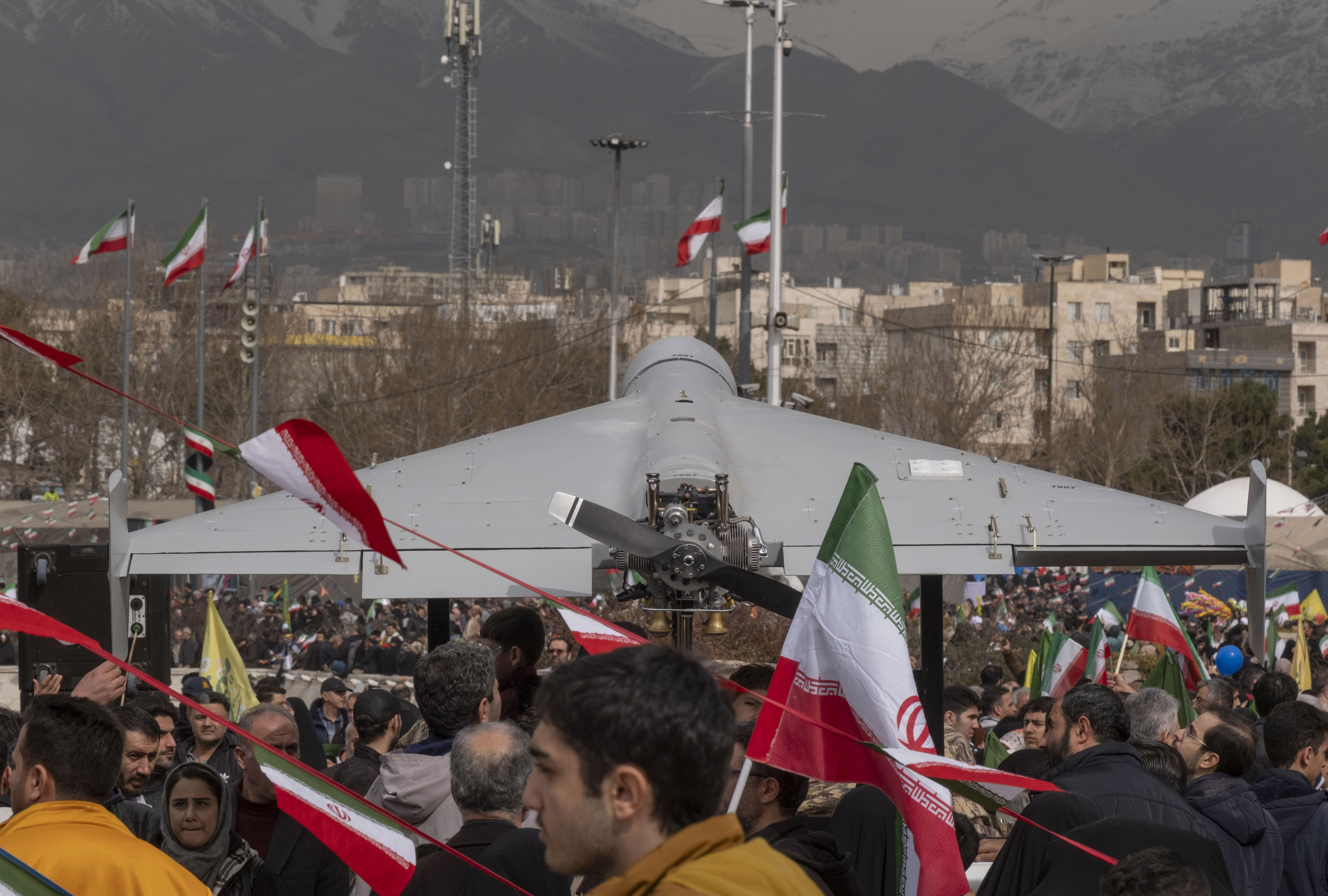
The Pentagon has acknowledged significant deficiencies in its counter-drone technology, a revelation that exposes U.S. forces to escalating threats from Iranian unmanned aerial vehicles (UAVs). During a congressional hearing, military leaders, including Pete Hegseth, explicitly warned that these gaps could severely compromise the safety and effectiveness of American assets, increasing their susceptibility to attacks as Iranian drone capabilities continue to advance rapidly.
Historically, Iran has been expanding its drone program since the mid-2010s, leveraging advancements in technology and manufacturing capabilities to produce a diverse range of UAVs. These include loitering munitions and surveillance drones, which have been employed effectively in various regional conflicts. This development is not isolated; Iran has been transferring drone technology to proxy forces throughout the Middle East, including Hezbollah in Lebanon and Houthi rebels in Yemen, creating a widespread network of aerial threats.
The significance of these developments cannot be overstated, as the growing Iranian drone arsenal presents critical strategic risks for U.S. military operations. An increase in drone strikes against both military and civilian targets could destabilize the region further, prompting retaliatory actions and escalating conflicts. The failure to address counter-drone vulnerabilities not only places American personnel at risk but also undermines the credibility of U.S. deterrence in a region rife with tension.
Key players in this scenario include Iranian military leadership, which is strategically motivated to bolster its drone capabilities as a means of asymmetric warfare against more conventionally powerful adversaries like the United States. Tehran’s drive to enhance its UAV technology serves both offensive and defensive purposes, allowing them to strike with impunity while avoiding direct confrontation with larger military forces.
Operationally, Iranian drones vary widely in specifications, with reports indicating the use of Mohajer-6 and Shahed series UAVs capable of carrying payloads of over 150 kilograms and striking targets over 200 kilometers away. As U.S. military officials evaluate their counter-drone technologies, it has become apparent that current systems are inadequate, lacking the necessary capabilities to neutralize fast-moving, small UAVs effectively.
The consequences of failing to bolster counter-drone measures could be dire, leading not only to increased attacks on U.S. assets but also prompting allies in the region to reconsider security partnerships. A spiraling arms race in drone technology could ensue, as other regional actors accelerate their own drone development programs in response to perceived weaknesses.
Historically, the rise of drone warfare has been marked by similar underestimations by military establishments, as seen during the early days of the Islamic State's aerial campaign against Iraqi forces. The U.S. faced significant losses before implementing effective countermeasures. The Pentagon’s current struggle mirrors this precedent, emphasizing the urgent need to adapt swiftly to evolving threats.
Looking ahead, attention should focus on the U.S. military's initiatives to enhance its counter-drone capabilities, including the development of electronic warfare systems and directed energy weapons. Indicators to watch include upcoming military exercises, changes to defense procurement budgets, and any new collaborations with allies aimed at countering the Iranian drone threat.