Iranian Attacks Reshape Navy Refueling at Sea in Middle East
Iranian attacks prompt the Navy to overhaul underway replenishment in the region. A commercial tanker treadmill at sea accelerates fuel transfers and expands logistical flexibility. The shift signals a broader re-evaluation of offshore refueling corridors and force posture in the Arab Gulf and Levant.
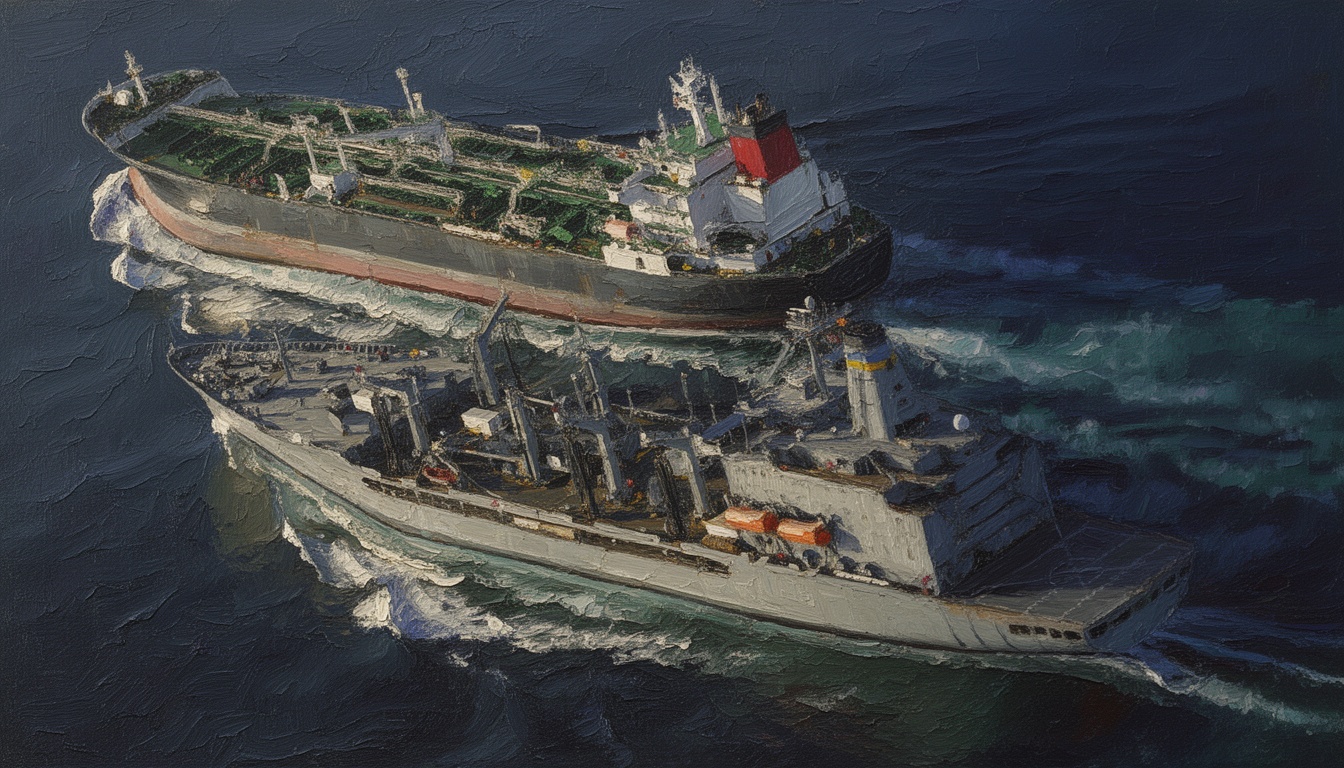
In a rapid shift to maritime logistics, the Iranian attacks have forced the Navy to redesign how ships receive fuel while deployed in the Middle East. The service introduced a commercial 'tanker treadmill' concept, using civilian tanker support to top off oilers at sea. This approach reduces port exposure and preserves underway replenishment tempo under contested conditions. The method could reset how fleets manage fuel security and freedom of maneuver in high-tension environments.
Background: The Middle East remains a dense, contested seam where sea lanes, air corridors, and forward operating bases intersect with Iran's asymmetric pressure. Traditional underway replenishment has faced constraints from anti-access/area denial efforts and geopolitical risk. The new treadmill concept builds redundancy into the logistics chain, spreading fuel transfer responsibilities across multiple, commercially controlled platforms. This decentralization aims to maintain continuity of operations even if conventional refueling ships are delayed or targeted.
Strategic significance: A more flexible, commercially integrated replenishment model shifts the balance of logistics risk away from a single class of military support ships. If scalable, it could complicate adversaries' targeting calculus and offer a faster path to sustaining multi-ship task forces in crowded maritime theaters. The approach also signals potential collaboration with allied merchant fleets to bolster global Navy logistics resilience under pressure from state and non-state actors.
Technical and operational details: The treadmill relies on monitored, standard fuel transfer procedures conducted at sea, coordinated via naval planners and civilian fuel infrastructure providers. It leverages the availability of tanker assets that can operate under military safety protocols while offloading into combat logistics ships. Budgets for pilot programs include training loads, safety equipment, and insurance considerations for civilian mariners operating alongside military crews in contested waters.
Consequences and forward assessment: If validated at scale, the model could reset risk budgets for underway replenishment, reducing vulnerability to port closures and anti-ship missiles. It may prompt broader experimentation with mixed civilian-military logistics nodes, joint procurement with international partners, and new rules of engagement for on-water fuel transfers. The long-term effect could be a more robust naval logistics architecture capable of sustaining operations across wider regional theaters.