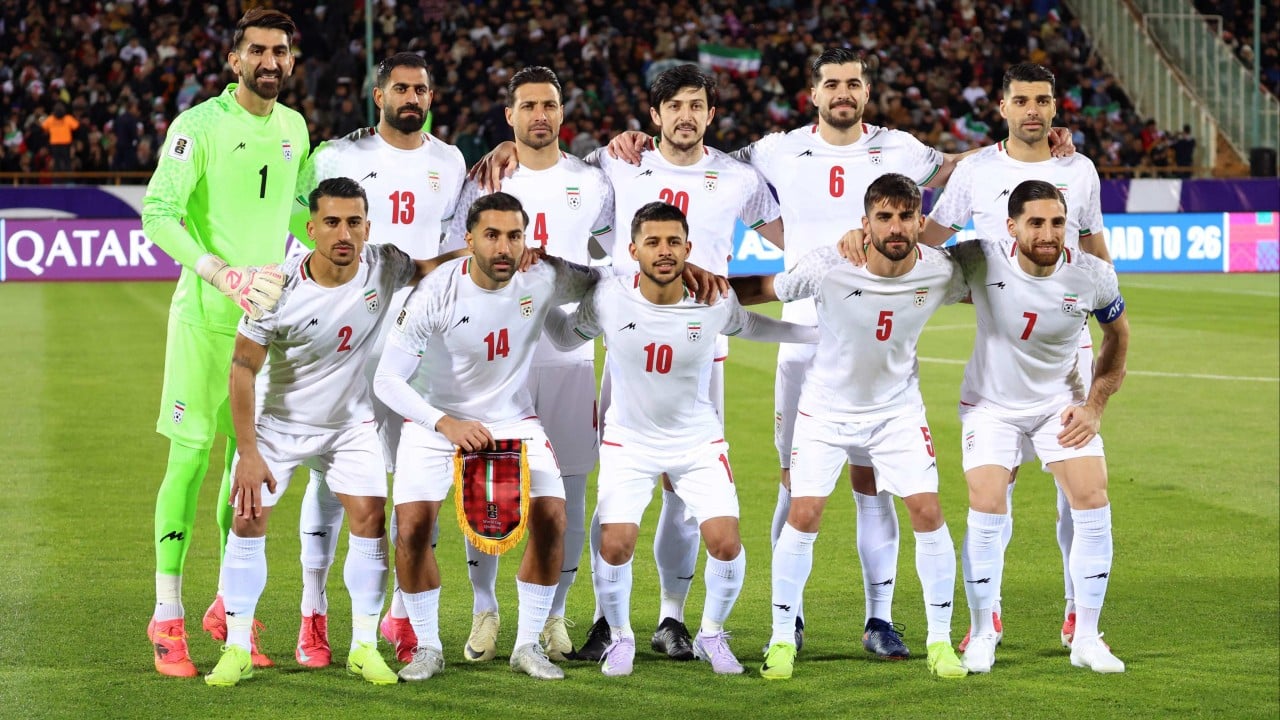
Iran Withdraws From 2026 World Cup After US-Israel Airstrike Kills Leader
Iran's decision to withdraw from the World Cup underscores escalating tensions with the US and Israel after a deadly strike. This act heightens the risk of broader military confrontation in the Gulf region.
Iran has officially announced its withdrawal from the 2026 World Cup following an airstrike by the United States and Israel that resulted in the death of its supreme leader, Ayatollah Ali Khamenei. Sports Minister Ahmad Donyamali declared that Iran's participation in the tournament is unthinkable after the assassination of its highest authority, marking a significant diplomatic and sporting fallout from the attacks that took place two weeks prior.
The airstrikes that targeted Iran involved joint operations between US and Israeli forces, a dramatic escalation in the long-standing tensions that have characterized relations between Iran and these nations. Khamenei's assassination represents a decisive shift, as he was a central figure in Iranian politics and a key adversary of Western influence in the region. This incident has plunged Iran into a deeper crisis at a time when regional hostilities were already fraught with potential for confrontation.
This withdrawal from the World Cup may signal a new phase in Iranian foreign policy, where sporting events are overshadowed by military conflict and national grief. The assassination of Khamenei could trigger retaliatory actions from Iran, prompting further military developments and an increased risk of military escalation in the Gulf, with implications for global energy markets and security arrangements.
Key actors in this crisis include not only Iran and its regional adversaries, but also external players such as Russia and China, who may leverage the situation to expand their influence in the Middle East. Iran's vehement condemnation of the airstrikes emphasizes its resolve to counter what it perceives as Western aggression, but also reflects its strategic vulnerabilities in the face of overwhelming military capabilities exhibited by the US and its allies.
Operationally, the recent strikes, employing precision-guided munitions against key Iranian leadership targets, underline the advanced capabilities of US and Israeli military intelligence. Khamenei’s death could disrupt Iran’s military strategy, as his leadership was central to the coordination of forces across various proxies in the Middle East, including Syria and Lebanon. Iran's potential military response remains unclear, but threats of retaliation against US assets in the region loom large.
Likely consequences would involve Iran mobilizing its own armed forces amid increased regional tensions, leading to a possibly wider conflict. The Gulf states, particularly those allied with both the US and Arab nations, may have to reevaluate their security postures or risk being dragged into a conflict that could destabilize the entire region.
Historically, this parallels past instances of targeted assassinations that have led to increased hostilities, including the assassination of Hezbollah commander Imad Mughniyeh in 2008, which escalated tensions between Israel and Iran. Each event has served to harden positions and draw lines in the sand, setting the stage for potential military confrontations.
Looking forward, key indicators to monitor will include Iranian military maneuvers, potential retaliatory strikes against US installations, and the responses of allied nations in the Gulf. Observing changes in regional defense postures and alliances will be critical as further escalation seems almost inevitable following this pivotal moment in Iranian history.