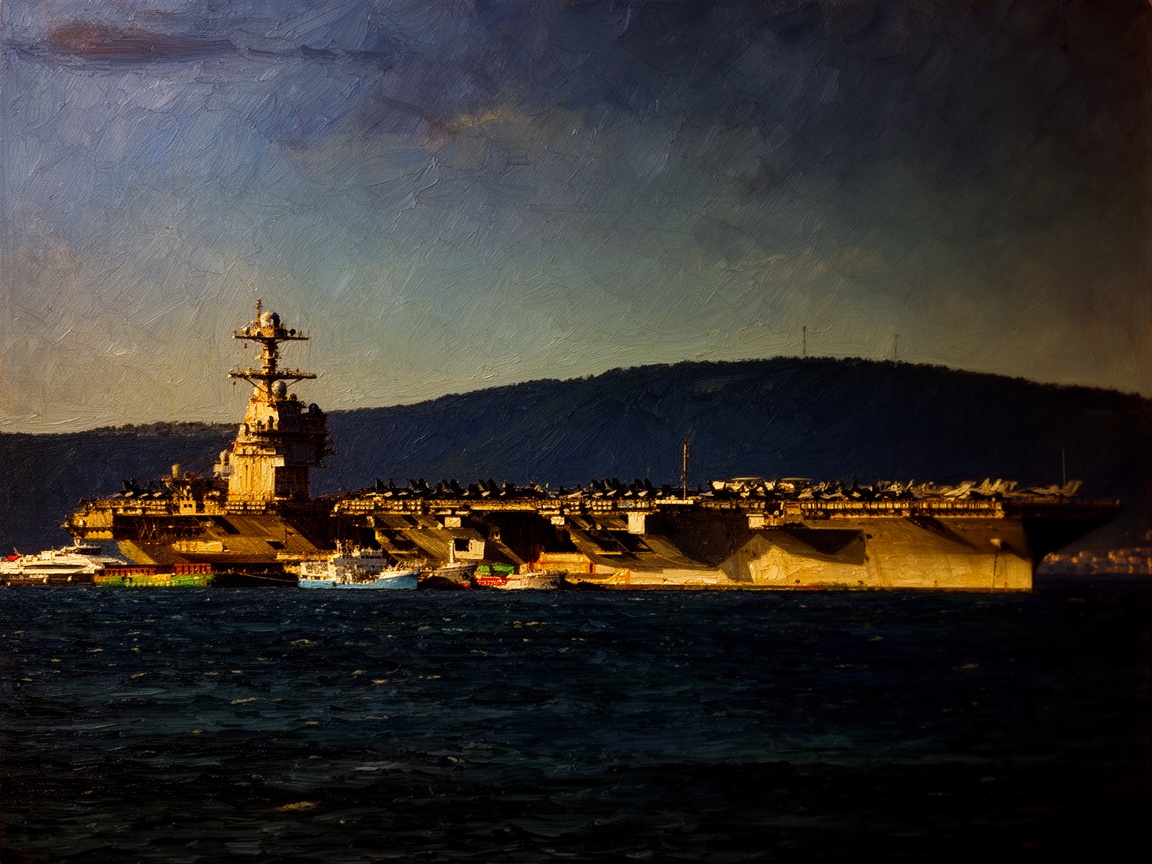
Iran war: What’s happening on day 56 after Trump extended ceasefire?
Iranian crisis enters its 56th day with a three-week ceasefire extension. Washington brokered talks between Israeli and Lebanese envoys, keeping regional tensions in check while signaling renewed diplomacy. The balance of power in the Levant and Gulf remains volatile as actors test the new pause.
On day 56 of the Iran crisis, the ceasefire has been extended for three weeks. This renewed pause follows White House talks with Israeli and Lebanese envoys, aimed at solidifying the truce and preventing a spillover into broader hostilities. The extension keeps the region in a fragile balance, with both sides signaling restraint while probing for strategic concessions.
Background shows a sharp escalation earlier this year, as Iran-backed factions and regional partners clashed across border zones. The ceasefire was previously precarious, with sporadic strikes and failed mediation attempts. Washington has framed the extension as a chance to consolidate gains and pursue diplomacy that could curb higher-risk actions.
Strategically, the pause operates as a pressure valve in a high-stakes deterrence dynamic. Israel seeks to limit Iranian influence along critical corridors, while Lebanese factions aim to preserve political space and avoid a broad confrontation. The extension also influences regional players, including Gulf states watching for signs of renewed bargaining leverage or provocative moves.
Technical and operational details point to a narrowed set of rules governing the ceasefire. Reports indicate that both sides have committed to restraint in air and artillery exchanges, with international monitors expected to verify adherence. Security budgets and force postures in the Levant appear calibrated to prevent accidental clashes that could derail negotiations.
Looking forward, analysts expect a cautious stability window that could yield a diplomatic opening or a relapse into conflict if misread signals occur. The three-week extension offers time for third-party mediation and for national leaders to align on conditions for a longer-term ceasefire. A failure to translate the pause into durable arrangements would raise the probability of renewed hostilities and greater regional instability.