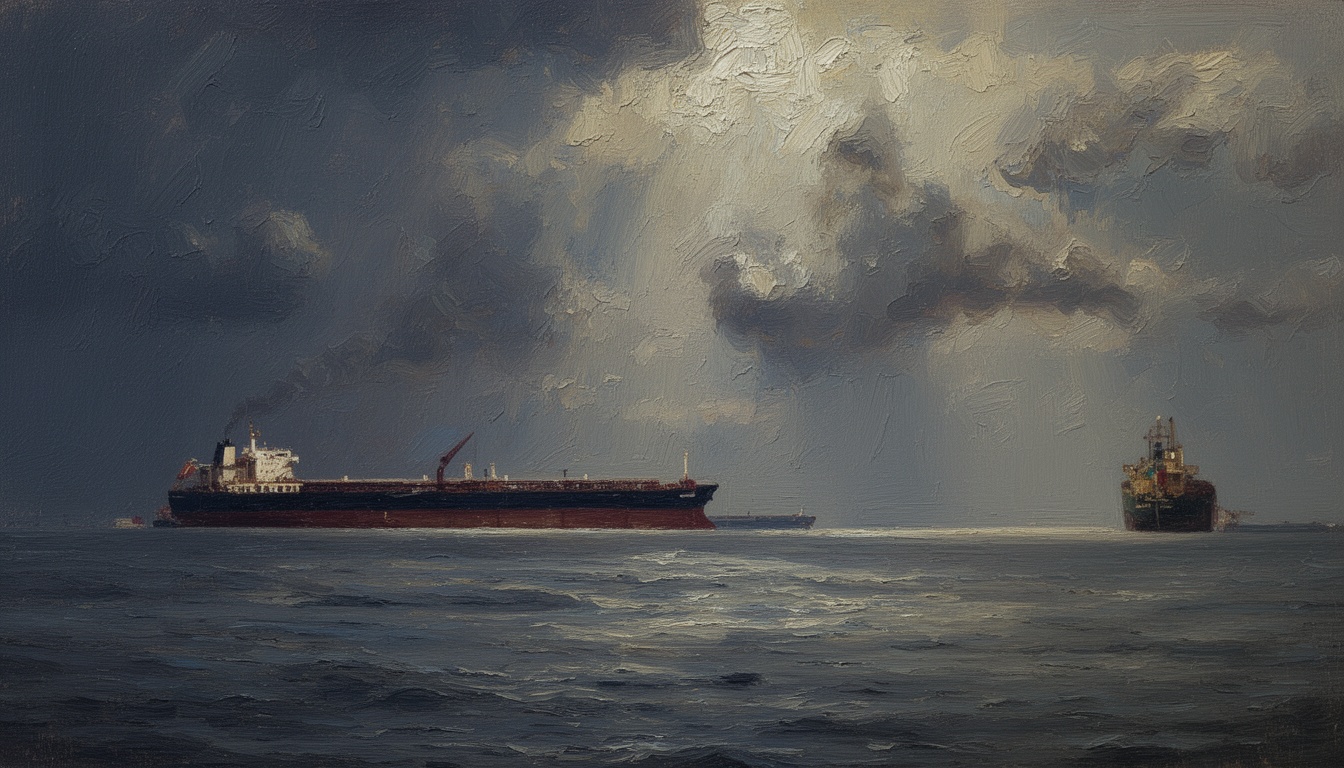
Iran War Traps Oil Tankers, Raises Environmental Disaster Risk
Iran’s ongoing conflict is trapping giant oil tankers in the Strait of Hormuz, escalating risks of a major environmental catastrophe. Missile and drone attacks on Gulf energy infrastructure amplify dangers amid congested waters.
The Iran war has created a growing environmental threat as dozens of massive oil tankers are trapped in the congested Strait of Hormuz. Conservation groups warn the risk of a catastrophic oil spill increases daily under these claustrophobic conditions. Iran’s relentless missile and drone strikes target critical Gulf oil installations, aggravating the threat to maritime safety and ecosystems.
This crisis intensified Monday when a Kuwaiti crude oil tanker was struck by an Iranian missile at Dubai Port, setting its hull on fire. The incident raises fears of an oil spill in one of the world’s most vital shipping chokepoints. These attacks come amidst a broader pattern of Iranian harassment against foreign energy assets in the Gulf region.
Strategically, the Strait of Hormuz is a critical artery for global energy supplies, funneling around 20% of the world’s petroleum exports. Disruption here threatens energy market stability and international security. The risk of environmental disaster compounds the already tense geopolitical standoff between Iran and Western-backed Gulf states.
Technically, the strait’s narrow, shallow waterways constrain maneuverability, increasing collision and grounding risks for the supertankers clustered there. Many vessels carry millions of barrels of crude oil, and any damage could unleash an uncontrollable spill. Iran’s use of high-precision missiles and drones underscores the technological sophistication behind its asymmetric naval warfare tactics.
The consequences threaten to reverberate far beyond the Gulf. An oil spill in the Strait of Hormuz would devastate marine biodiversity, damage coastal economies, and disrupt global oil supplies. Forward assessment suggests escalating military attacks and mounting congestion herald a prolonged environmental and security crisis in this critical region.