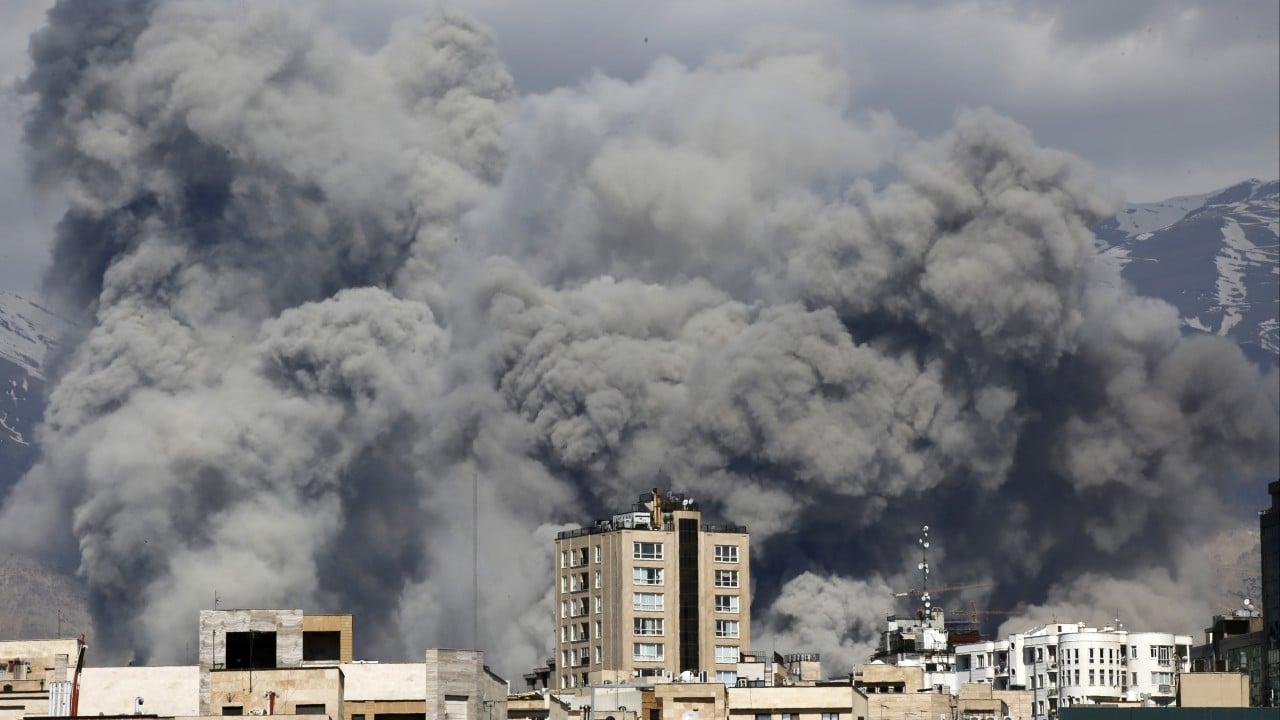
Iran War Risks Catastrophic Disruption to China's Methanol Supplies
The ongoing conflict in Iran may severely impact China's methanol imports, exposing vulnerabilities in critical supply chains. A sustained disruption of shipping through the Strait of Hormuz would have profound implications for Chinese industries reliant on this vital chemical.
The escalating war in Iran poses a significant threat to China's methanol imports, which could face drastic shortages if the conflict continues. Analysts warn that prolonged hostilities may unveil critical vulnerabilities in supply chains, particularly affecting key industries in China dependent on methanol—a vital chemical component used in multiple goods.
Historically, the Strait of Hormuz has been a strategic chokepoint for global oil transportation and related chemical imports, with about 20% of the world's petroleum passing through this narrow corridor. The potential for increased military activity, blockades, or attacks on commercial shipping exacerbates the uncertainty surrounding imports. Prior disruptions in this region have demonstrated the fragility of international supply chains, and the ongoing conflict represents a new layer of risk to already beleaguered markets.
This situation is significant as it highlights a crucial vulnerability within China's industry. Methanol is not only a key input for manufacturing plastics and synthetic fabrics but also plays an essential role as a biofuel. Any severe interruption in supply could have cascading effects on multiple sectors of the economy, driving up prices and potentially stalling production lines reliant on this chemical compound.
Key players in this scenario include Iran, which may leverage its control over the Strait to shape regional dynamics, and China, which urgently needs to safeguard its supply lines. While Iran strives to maintain its influence amidst international isolation, China’s dependence on methanol imports makes it vulnerable to geopolitical machinations. Iranian leaders may assess that disrupting shipments serves their strategic interests, potentially escalating tensions further.
In operational terms, China annually imports approximately 6 million metric tons of methanol, a substantial portion sourced through the Strait of Hormuz. With significant chemical companies like Zhejiang Juhua and Shanxi Sanwei relying heavily on this import, any sustained disruption could cost the Chinese economy billions of dollars. Analysts have also pointed out that potential escalations could lead to higher shipping insurance costs and rerouted vessels, which would exacerbate delays and increase prices.
The likely consequences of this ongoing crisis extend into the realm of geopolitics, where nations reliant on long-term energy supplies may find themselves compelled to pivot alliances or bolster defense postures in the region. It is plausible that China could increase its naval presence in the Indian Ocean to protect its maritime interests, which could lead to heightened tensions with other stakeholders, notably the United States and nearby Gulf allies.
Historical parallels can be drawn to the 2011 blockade of the Strait of Hormuz, during which tensions resulted in drastic price fluctuations and supply shortages across global markets. Modern implications, however, are potentially amplified by current global supply chain fragilities stemming from earlier events like the COVID-19 pandemic and the ongoing conflict in Ukraine, making any new disruption even more damaging.
In the immediate term, observers should watch for intelligence indicators that may signal increased Iranian naval activity within the Strait or elevated rhetoric from both Beijing and Tehran regarding their trade and security commitments. Furthermore, monitoring shipping companies' reactions and insurance adjustments will provide critical insights into the evolving dynamics of this conflict and its impact on global supply chains.