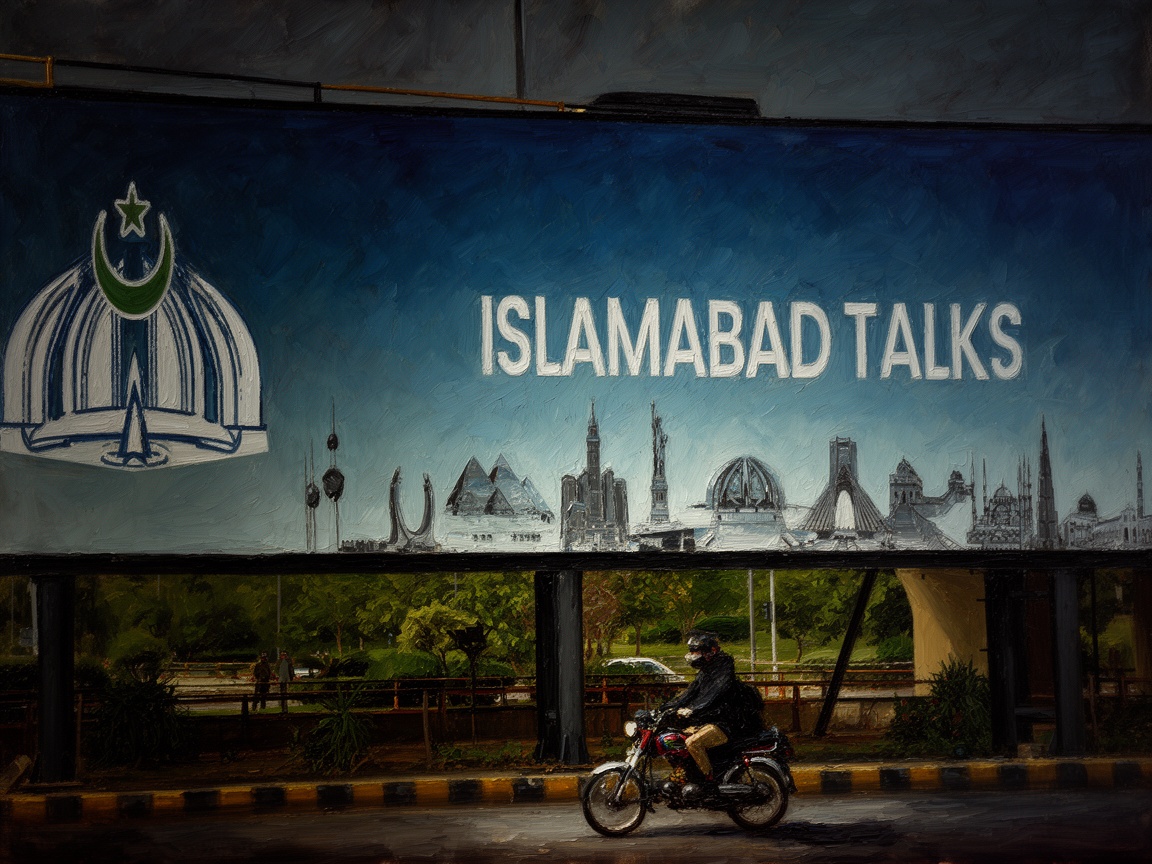
Iran War Live: US Negotiators Arrive in Pakistan for Ceasefire Talks
US negotiators arrive in Pakistan to push for a ceasefire amid ongoing Iran War dynamics. The move signals a renewed international push to de-escalate a crisis feeding regional tensions. A parallel casualty update from Lebanon underscores the war’s expanding human cost and global concern.
A high-level US negotiating team has landed in Pakistan to coordinate ceasefire discussions amid the Iran-led crisis. The arrival underscores a broader international effort to freeze hostilities and prevent a regional security meltdown. Washington aims to align regional stakeholders behind a framework that could halt kinetic activity and curb escalation.
The development comes as Iran and its allies press operations across multiple fronts, while partners in South Asia seek to prevent spillover. Pakistan, with its strategic channel to Iran and to Gulf states, is positioning itself as a diplomatic intermediary. The move also reflects how external powers are tying peacemaking to their broader deterrence calculus in the Middle East.
Analysts view the arrival as a test of negotiators’ ability to translate fragile truces into durable arrangements. The timing coincides with heightened rhetoric from Tehran and allied groups about red lines and escalation thresholds. A failure to establish a credible ceasefire framework could portend a rapid intensification of cross-border clashes.
Operational details remain scarce, but sources indicate talks will focus on humanitarian pauses, verification mechanisms, and staged de-escalation. The discussions are expected to involve military transparency provisions and routes for humanitarian aid. If successful, the talks could create a corridor for a broader, multi-lateral diplomacy track aimed at stabilizing the region.
Looking ahead, the ceasefire talks carry significant implications for regional power balance and global energy security. A breakthrough would constrain Iranian operations and reduce the risk of unintended escalations in neighboring states. Conversely, a stalled process could embolden hardliners and raise the probability of rapid, destabilizing cycles of violence.