Iran War Escalates: Tehran Warns US, Israeli Targets; Houthis Launch Missiles
Iran intensifies its confrontation with the US and Israel, issuing stark warnings against academic institutions as Houthis fire missiles, amid deadly attacks in Bushehr killing a family of four. These developments mark a dangerous regional escalation with potential to widen the conflict beyond Iran’s borders.
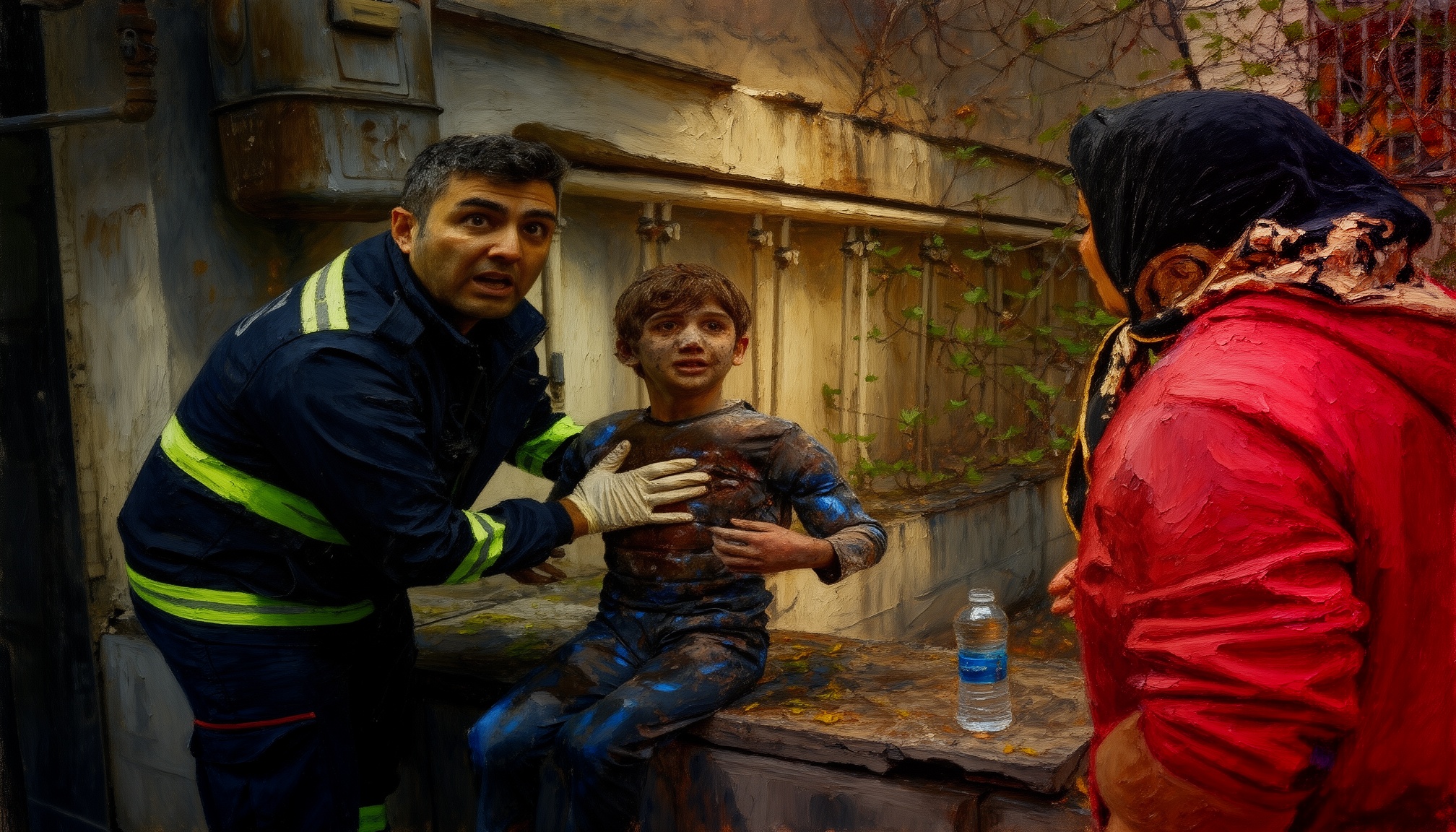
Iran has sharply escalated tensions, publicly warning American and Israeli universities following a series of deadly attacks that killed four members of the same family in Iran’s southern Bushehr province. Simultaneously, Iran-backed Houthi militants in Yemen launched ballistic missile strikes against Saudi Arabia, heightening regional instability.
The Bushehr killings have triggered widespread anti-war protests in Tel Aviv and multiple US cities, reflecting growing public opposition to the expanding conflict. Tehran’s direct threats to Western academic institutions represent a new and alarming tactic, signaling an expansion of the battlefield into symbolic and civilian domains.
Strategically, Iran’s combined use of proxy missile strikes and warnings against US-Israeli soft targets aims to pressure Western governments into recalculating their regional posture. The increased Houthis’ missile launches also complicate the already volatile Saudi-Yemeni front, risking a broader regional conflagration.
Technically, the Houthis employed Burkan-2 ballistic missiles, which have a range of over 800 kilometers and are capable of striking deep into Saudi territory. The Iranian warnings targeted major universities in the US and Israel, accusing them of complicity in hostile actions against Iran. The Bushehr attack involved unknown assailants using explosive devices to kill four civilians.
The convergence of missile warfare and targeted warnings marks a dangerous new phase in the Iran conflict. The risk of escalation spreading beyond traditional battlefields is rising sharply, potentially drawing multiple regional and global powers into a wider confrontation. Monitoring these developments closely is critical as crises compound in the Middle East.