Iran War Deepens Rift Between Conservative Generations Amid Trump Exit Pressure
The Iran war intensifies divisions within US conservatives, splitting older hawks and younger pragmatists. Heightened tensions at CPAC reflect growing domestic pressure on Trump to devise an exit strategy. This ideological split could reshape Republican foreign policy and impact global stability.
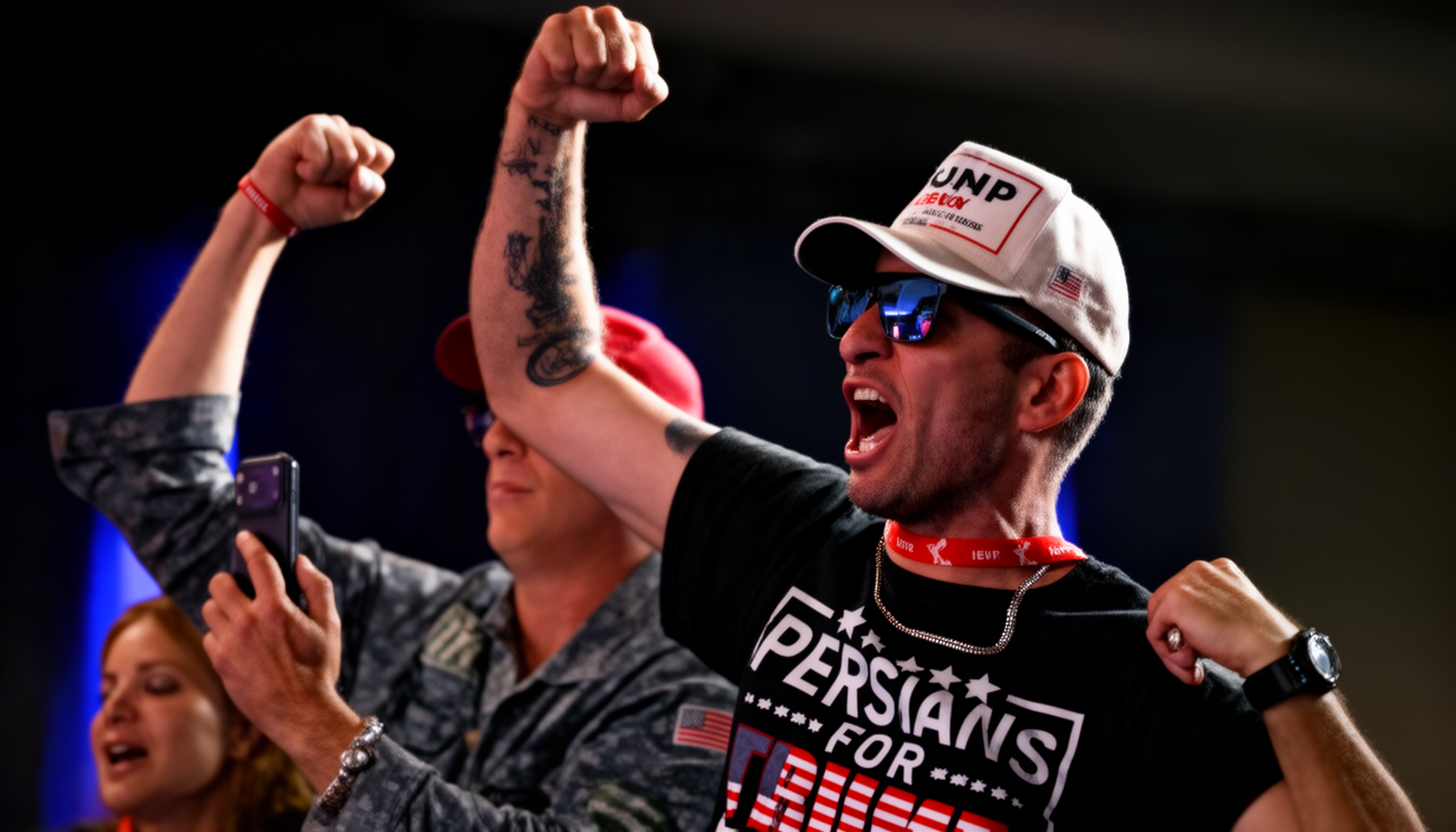
The conflict over Iran has sparked a sharp ideological divide between older conservative hawks and younger conservatives advocating for a strategic exit. More than a thousand miles from Washington, the annual Conservative Political Action Conference (CPAC) became a battleground for these opposing views, underscoring fractures in the Republican base.
Older conservatives remain staunchly hawkish, emphasizing US military strength and confrontation with Tehran. Younger conservatives increasingly call for de-escalation and pragmatic diplomacy, fearing endless conflict. This ideological cleavage signals a growing rift in how America’s right wing envisions its foreign policy toward Iran.
The split bears significant strategic weight, as it complicates the GOP’s ability to present a unified stance on Iran. With global powers closely watching US policy, internal discord could embolden Tehran and undermine Western leverage. The battle for influence at CPAC reveals the high stakes of this domestic struggle and its implications for international security.
Operationally, older conservatives support continued military aid to regional allies and hardline sanctions on Iran’s nuclear program. Younger conservatives urge reconsideration of US commitments to costly regional conflicts and advocate for renewed diplomatic engagement. This divide interferes with consistent messaging and risks sending mixed signals to adversaries.
Looking forward, escalating pressure on former President Trump to articulate a clear exit ramp from Iran could shift the GOP’s trajectory. Persistent divisions risk undermining Republican cohesion amid a volatile Middle East, potentially affecting US global posture and the balance of power in the region.