Iran war chaos kills Khamenei, shuts Hormuz, sparks oil crisis
Iran's Supreme Leader Ali Khamenei's death in recent conflict marks a radical escalation. Closure of the Strait of Hormuz has sent oil prices soaring, intensifying global energy insecurity. The widening war between Iran, Israel, and the US destabilizes a critical region and threatens worldwide economic and security balances.
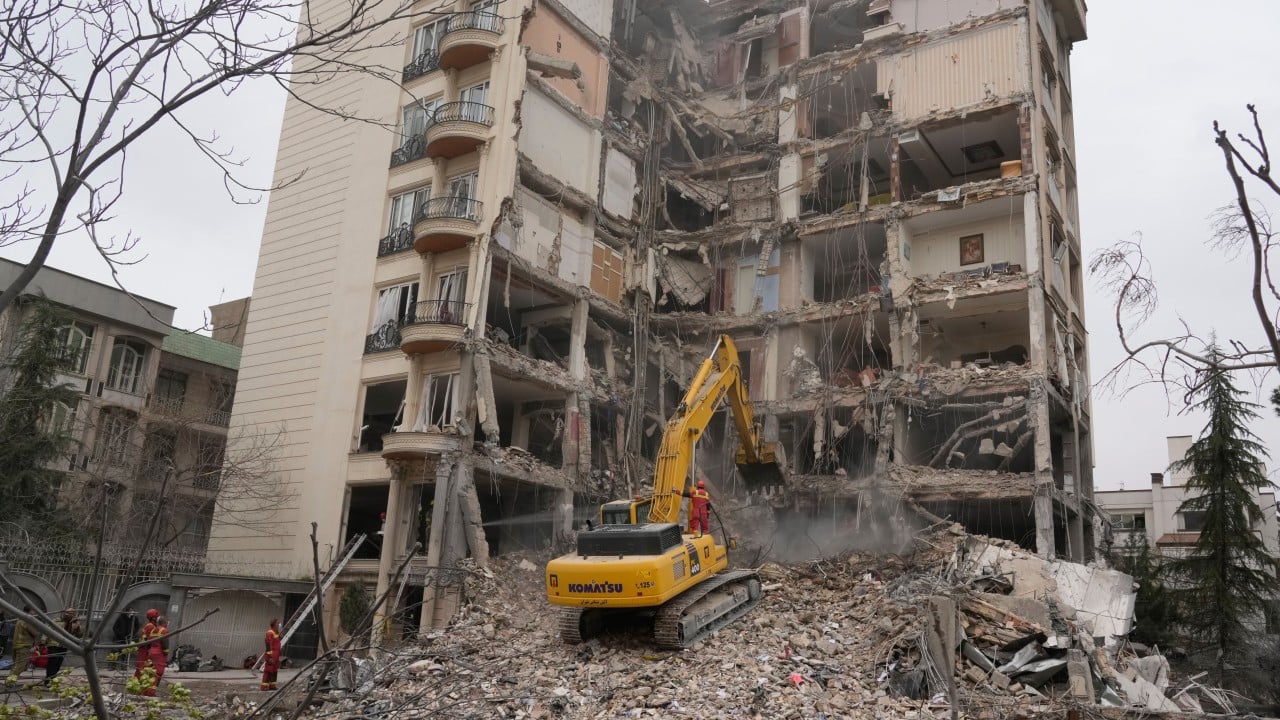
Iran's Supreme Leader Ayatollah Ali Khamenei was killed amid violent escalation in the renewed conflict between Iran, Israel, and the United States. The Strait of Hormuz, a strategic global oil transit chokepoint, was forcefully closed, driving crude oil prices to near-record highs. This conflict marks a dramatic shift from decades of relative peace since World War II, plunging the Middle East into turmoil.
The background to this crisis includes heightened US-Iran tensions, ongoing Israeli-Iranian clashes, and the broader shadow of Russia's ongoing invasion of Ukraine. After a 12-day war in June that initially seemed containable, fighting escalated rapidly, broadening the scope to a multifaceted regional war involving major military powers.
Strategically, the killing of Khamenei—the highest authority in Iran—represents a seismic power vacuum and potential rallying point for Iranian hardliners. The closure of the Strait of Hormuz, through which nearly 20% of the world’s oil passes, disrupts global energy markets and heightens fears of wider conflict exacting a toll on international stability and economic recovery.
Technically, Iran has deployed advanced ballistic missile systems and naval units to enforce the blockade, while Israel and the US ramp up air and cyber capabilities aiming to counter Tehran’s moves. The operational tempo has intensified with advanced drones and missile strikes multiplying on both sides, signaling a transition to full-spectrum hybrid warfare.
Looking forward, the conflict threatens prolonged regional destabilization and global economic shocks. The risk of wider escalation pulling in Russia, NATO, or Gulf states remains high. International diplomatic efforts face steep hurdles as the balance of power and influence in the Middle East undergoes dramatic realignment.