Iran Urges Human Chains to Guard Power Plants Before US Deadline
WAR

Iran Urges Human Chains to Guard Power Plants Before US Deadline

MIDDLE EAST
EXECUTIVE SUMMARY

Iran mobilizes civilians to protect critical nuclear infrastructure amid escalating attacks and looming US Strait of Hormuz deadline. Iranian air strikes and missile fire target Israel and Saudi Arabia, intensifying regional tensions.

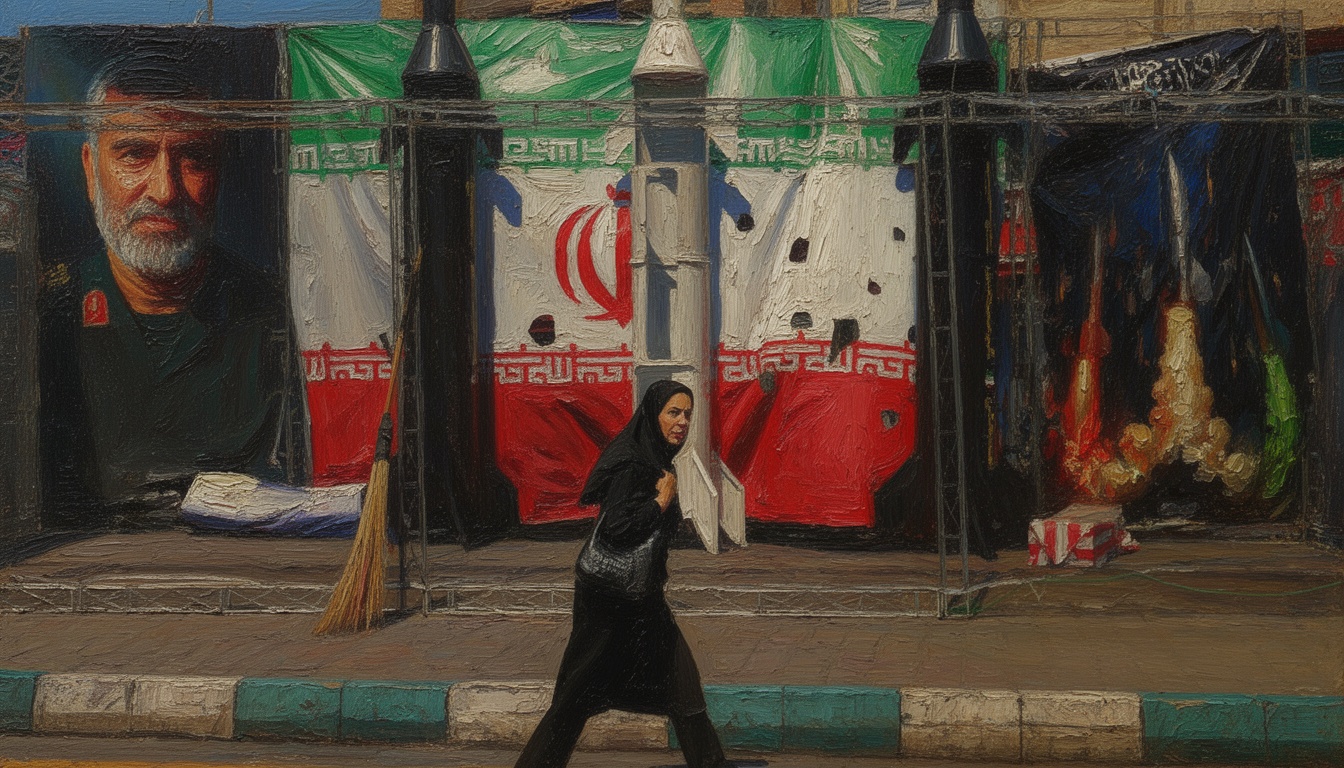
Iran called on its citizens to form human chains around power plants as a looming US deadline approaches demanding Iran reopen the strategic Strait of Hormuz.

This mobilization follows a day marked by Iranian strikes that killed at least 15 people across Iran and retaliatory missile or rocket fire targeting Israel and Saudi Arabia, forcing the temporary closure of a major bridge in the region.

The directive to protect nuclear and energy infrastructure comes as US President Donald Trump set a deadline for Iran to comply with demands over maritime traffic through the Strait, a vital global oil transit route.

Iran’s President declared that 14 million citizens, including himself, volunteered to physically shield key facilities, signaling Tehran’s commitment to resist US pressure amid escalating regional conflict.

Technically, the attacks involved ballistic missile launches and drone strikes meeting strategic objectives. The human chain order reflects using civilian mass mobilization as a deterrent, potentially complicating any kinetic strikes by opposition forces.

This escalation increases risks of wider conflict in the Gulf, with Tehran signaling readiness to further tighten control over maritime choke points and retaliation against regional rivals. International actors must monitor closely to prevent miscalculation leading to open warfare.

RELATED INTELLIGENCE
Erdogan urges Iran and US to seize ceasefire for lasting peace
MIDDLE EAST
WAR

Erdogan urges Iran and US to seize ceasefire for lasting peace

Turkish President Erdogan called on the United States and Iran to prevent provocations by Israel and to use the current ceasefire to push for durable peace. He framed dialogue and diplomacy as the shortest path to peace, criticizing any relapse into violence. Washington and Tehran are weighing next steps after a temporary halt in fighting in the region.

2D AGOREAD
Iran Reopens Strait Of Hormuz, U.S. Blockade Continues (Updated)
MIDDLE EAST
CONFLICT

Iran Reopens Strait Of Hormuz, U.S. Blockade Continues (Updated)

The Strait of Hormuz tension spikes as Tehran resumes traffic and navigation while Washington keeps restrictions in place. The claim about mines being removed adds ambiguity to a crisis already shaping regional power dynamics. The move intensifies strategic contest over one of the world's most critical choke points.

1D AGOREAD
Oil prices plunge as Iran says Strait 'open'
MIDDLE EAST
WAR

Oil prices plunge as Iran says Strait 'open'

Iran claims the Strait of Hormuz is open for commercial shipping for the remainder of the ceasefire. Brent crude falls about 10% as traders price broader access to the waterway. The development sharpens the risk calculus for global energy markets and regional security dynamics.

2D AGOREAD
US negotiators to Pakistan for Iran ceasefire talks, Trump warns of repercussions
MIDDLE EAST
WAR

US negotiators to Pakistan for Iran ceasefire talks, Trump warns of repercussions

Washington dispatches negotiators to Pakistan to push Iran ceasefire talks. The president cautions Tehran that failure to accept the deal could trigger severe consequences. The move signals a high-stakes effort to curb escalation around Iran and its regional rivals. Calculated diplomacy intersects with sanctions policy and regional security dynamics.

17H AGOREAD