Iran Triggers US Airborne Battle Management Fleet Crisis
Iran's expanding air defense and electronic warfare capabilities intensify demand for US airborne battle management aircraft. The shortage and aging US Airborne Warning and Control System (AWACS) fleet risk compromising coalition air superiority. This crisis highlights the growing strategic vulnerability in early warning and command assets amid rising Middle East tensions.
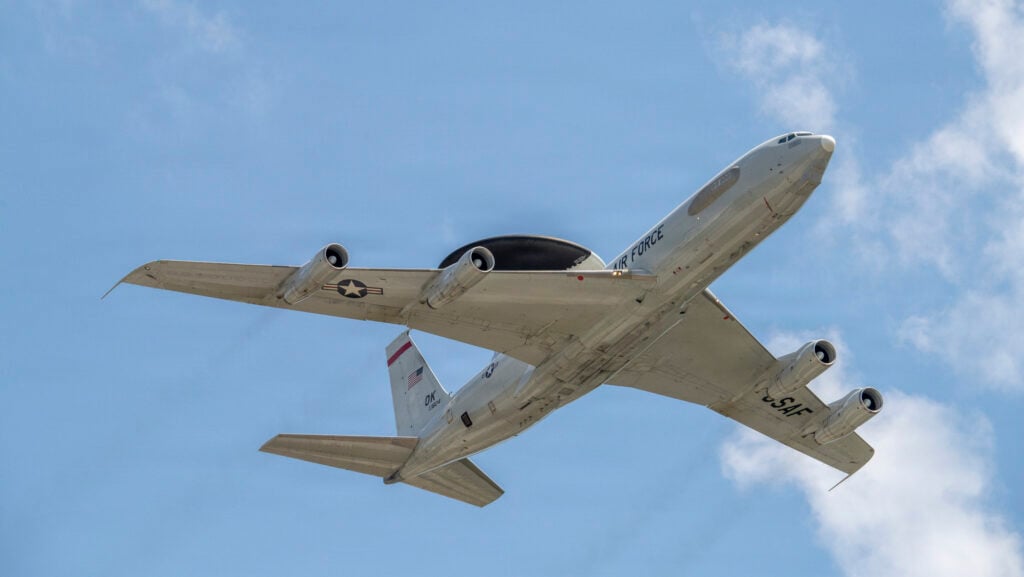
Iran’s recent military advancements expose critical weaknesses in the US airborne battle management fleet tasked with commanding coalition air operations. With new sophisticated radars and electronic countermeasures deployed by Tehran, the demand for U.S. AWACS and battle management aircraft has skyrocketed while their numbers have steadily declined. The limited US fleet, centered on aging E-3 Sentry aircraft, faces operational strains and risks failing to maintain airspace control in future conflicts.
Historically, the US Airborne Warning and Control System (AWACS) fleet provided essential early warning, surveillance, and command capabilities across global theaters. These aircraft integrate radar data and coordinate multi-domain air operations, acting as force multipliers. However, decades-old airframes and outdated electronics have left the fleet stretched thin, even as Iranian investment in integrated air defense and electronic warfare systems has escalated significantly.
Strategically, this shortfall undermines US and allied ability to establish air superiority in regions like the Persian Gulf and Eastern Mediterranean, where Iranian missile and drone threats have increased. The imbalance favors Iran’s anti-access/area denial strategy, complicating coalition strike planning and increasing risks to manned aircraft. Maintaining airborne battle management supremacy is now a pivotal factor in controlling regional airspace and deterring Iranian aggression.
Technically, the US operates around 30 active E-3 Sentry AWACS aircraft, with many nearing the end of service life and facing costly upgrades. These 1970s-era Boeing 707 platforms provide 360-degree radar coverage but lag behind modern stealth and jamming technologies. Iranian forces have improved their surface-to-air missile networks and developed electronic attack capabilities to degrade AWACS effectiveness. Replacement programs like the E-7 Wedgetail face delays, prolonging reliance on vulnerable platforms.
Going forward, the US faces urgent pressure to modernize and expand its airborne battle management fleet or risk ceding information dominance in contested airspaces. Failure to do so could embolden Iranian military provocations and upset regional power balances. The scenario demands accelerated procurement, upgrading sensor suites, and deploying resilient command systems to maintain superiority in an evolving high-tech battlefield environment.