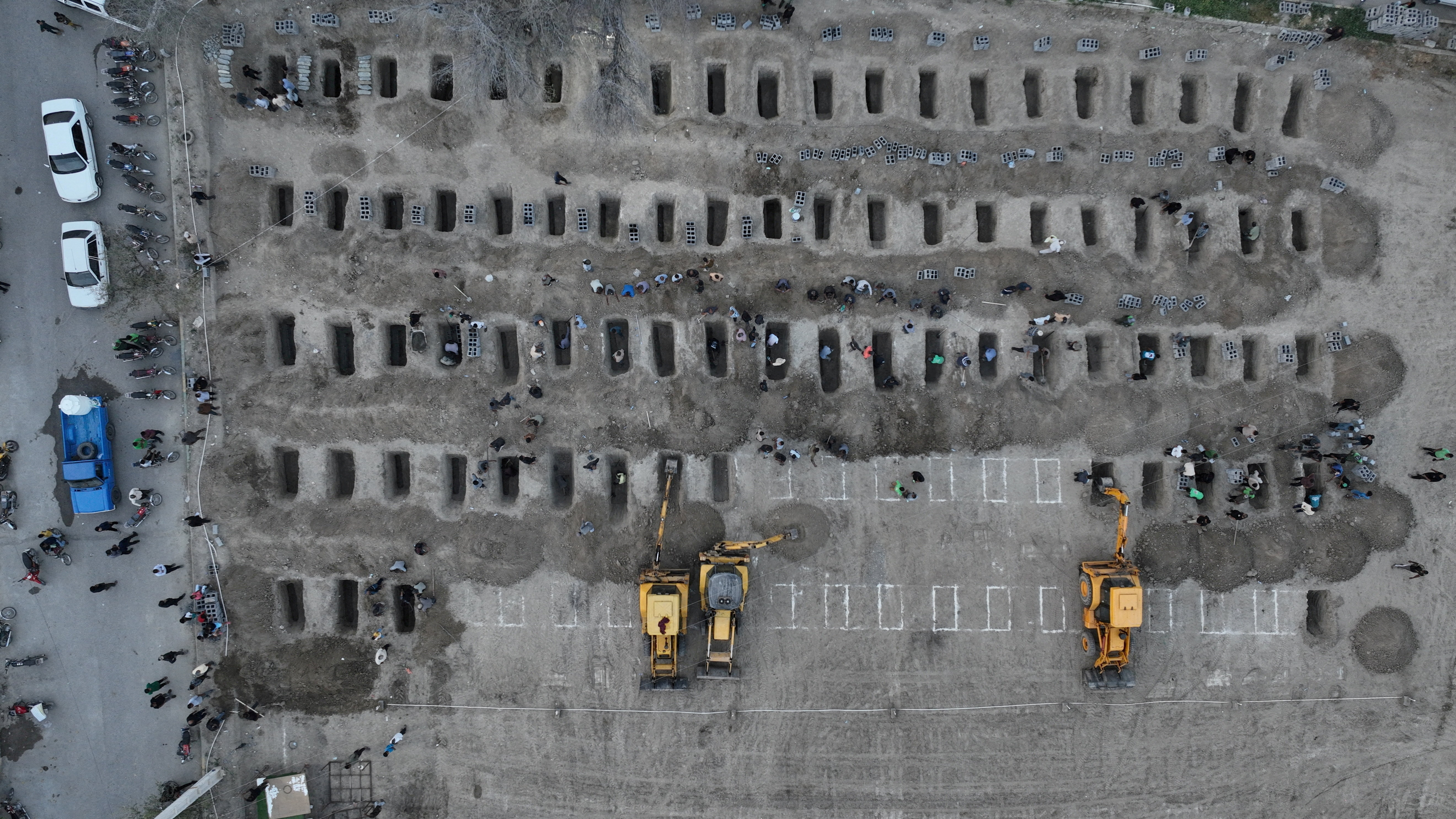
Iran School Strike Exposes AI Warfare Risks, Threatens Global Stability
Iran’s deadly drone strike on a school in Minab exposes critical vulnerabilities in AI-assisted targeting systems. The incident highlights escalating risks of semi-autonomous weapons deployed by state and non-state actors, undermining military accountability globally. This attack signals a turning point in regional conflict dynamics and challenges Pentagon ambitions to harness AI for precision strikes.
A lethal drone strike by Iranian forces on a school in Minab has spotlighted the profound dangers of semi-autonomous warfare systems. The attack killed dozens of civilians, underlining the risks posed by AI-enabled weapons that can make rapid targeting decisions with limited human oversight. Ukrainian defense experts warn that this event reveals systemic vulnerabilities as militaries rush to integrate AI into combat operations.
Iran’s Minab strike is part of a broader pattern where drone and AI technologies amplify conflict intensity across the Middle East. Iran’s backing of proxy forces equipped with semi-autonomous drones escalates a regional arms race that threatens neighboring countries’ security architectures. The Pentagon’s push to develop AI targeting tools faces increased skepticism given the civilian toll and errors seen in recent engagements.
Strategically, the strike challenges the legitimacy and control of AI-enabled military operations worldwide. It underscores the dangerous intersection of authoritarian regimes and emerging weapons technology absent transparent oversight. The incident risks eroding international norms surrounding precision targeting and lawful conduct in warfare, further destabilizing fragile geopolitical balances.
Technically, the Iranian drones used in Minab reportedly employ rudimentary AI algorithms for autonomous target selection and flight path adjustments. These semi-autonomous systems lack robust safeguards against misidentification of civilian sites, raising grave ethical and operational concerns. The strike’s aftermath revealed failures in detecting and overriding automated targeting choices, spotlighting urgent gaps in AI weapons governance.
Going forward, the Minab strike will likely intensify debates on AI in warfare, prompting calls for stronger international regulations. It may also embolden other state and non-state actors to deploy semi-autonomous systems with minimal human input, increasing the probability of civilian casualties. The Pentagon and allied militaries must weigh these risks carefully as they advance AI integration amid accelerating technological proliferation.