Iran Rejects US Demand for Ceasefire as 'Unrealistic Excessive'
Iran dismisses US ceasefire conditions as unreasonable, intensifying diplomatic rift. Tehran's stance signals deepening tensions in Middle Eastern conflict management and challenges Western negotiation efforts.
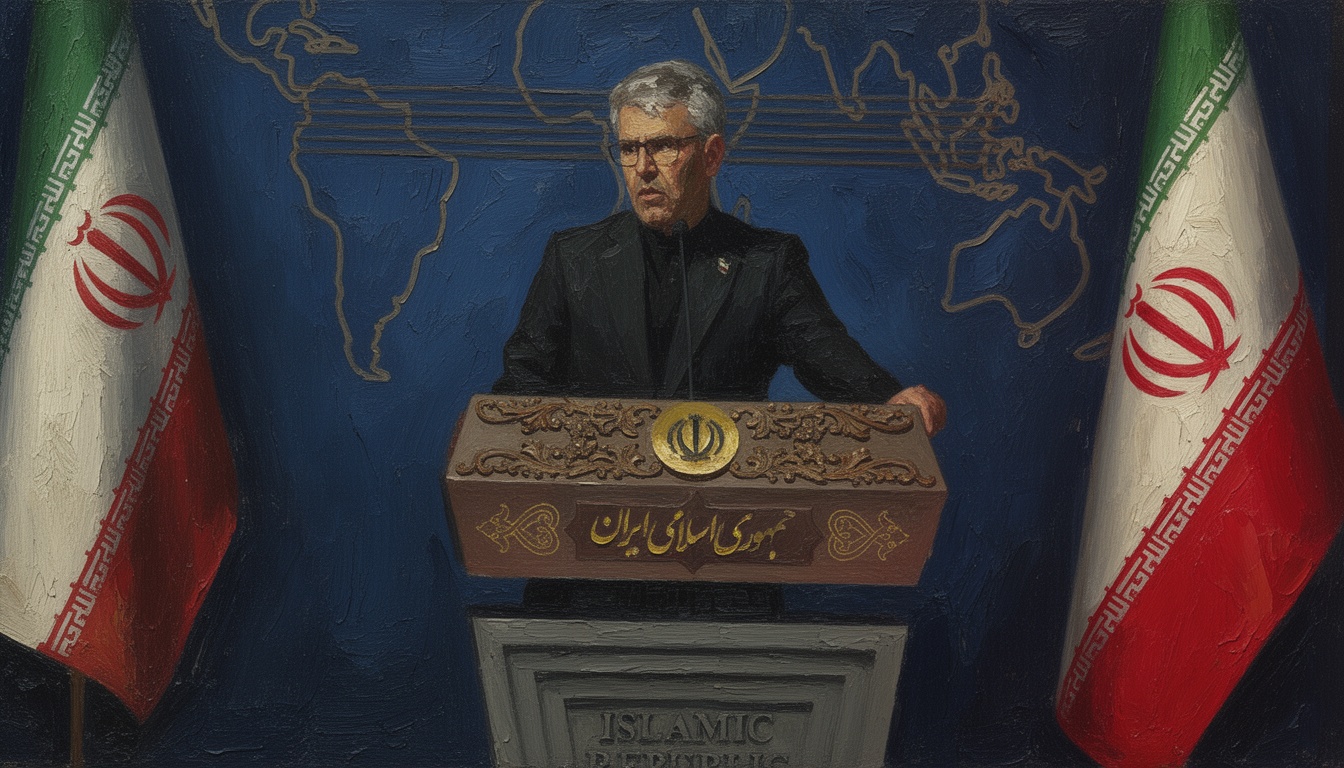
Iran’s Foreign Minister spokesperson categorically rejected the United States’ demands for a ceasefire, labeling the proposed conditions as excessive, unrealistic, and unreasonable. This blunt dismissal underscores Tehran’s hardened position amid escalating regional conflicts.
The US had outlined a series of prerequisites aimed at halting hostilities, including specific disarmament measures and political concessions from Iran. Tehran’s outright rejection signals a widening diplomatic impasse between the two powers, influencing broader Middle East stability.
Strategically, Iran’s refusal complicates Western and allied attempts to manage conflicts in the region, directly affecting global energy security and alliance dynamics. The refusal also emboldens Iranian alignment with regional proxies, fueling further instability.
Operationally, the US ceasefire conditions included demands for immediate halting of proxy support and cessation of missile launches, which Iran dismissed as infringements on sovereignty. Tehran continues to showcase capabilities in missile delivery systems and proxy militia coordination despite international pressure.
Looking ahead, this deadlock raises the risk of prolonged conflict, expanding influence battles, and deteriorating prospects for diplomatic resolution. Global actors must prepare for intensified tension along fault lines where Iran’s strategic interests collide with Western objectives.