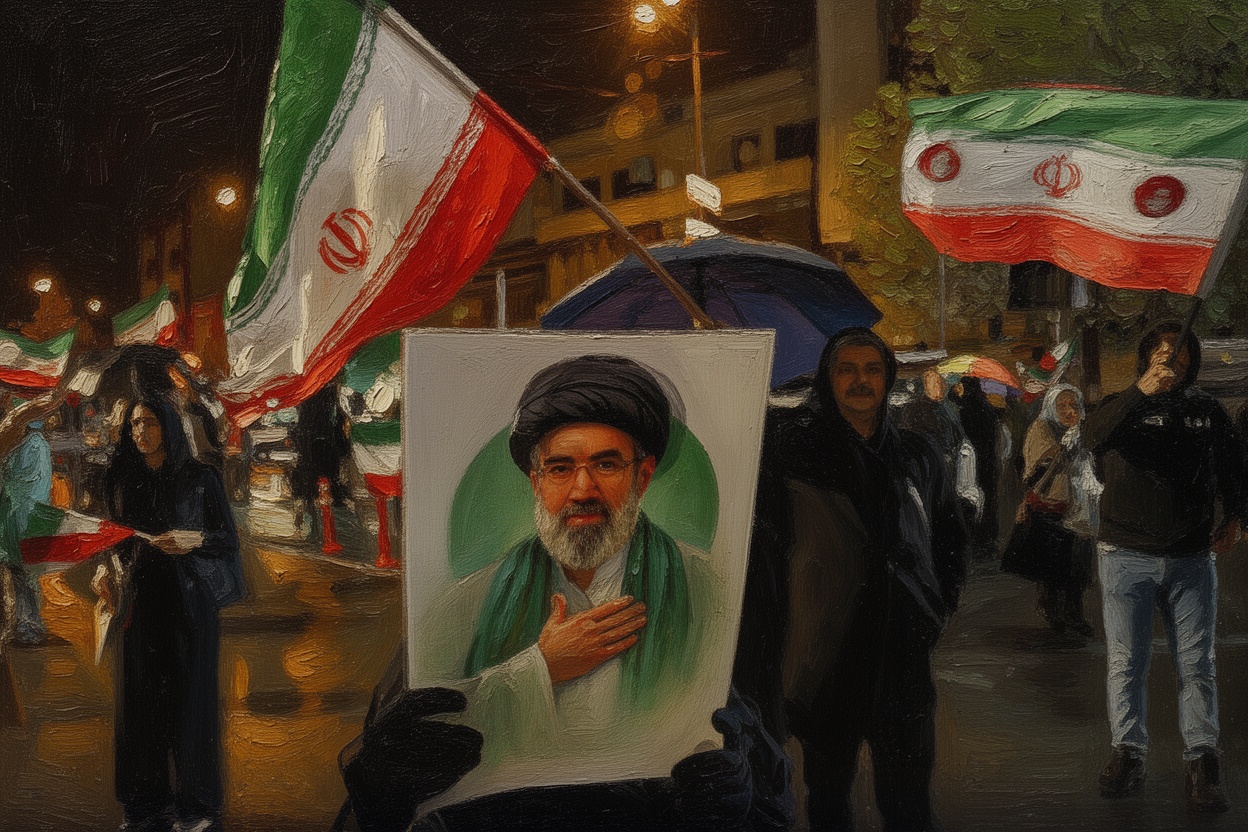
Iran rejects Trump claim on deal to surrender nuclear material stockpiles
Iran rebuffs former U.S. president Donald Trump’s assertion of a deal to surrender enriched uranium stockpiles. The denial underscores fragile diplomacy around Tehran’s nuclear program. The incident tests credibility and signaling between Tehran and Washington, with broader implications for regional deterrence and nonproliferation negotiations.
Iran flatly rejects Donald Trump's assertion that a deal exists to surrender its stockpiles of enriched uranium. The denial arrived through official channels, which emphasized that there has been no such agreement and that Tehran remains committed to its current nuclear safeguards. The statement signals a clear legal and political boundary, aiming to deter misperceptions about the scope of any future negotiations. The centerpiece claim—stockpile surrender—would require unprecedented verification provisions and would provoke immediate domestic and international scrutiny.
Background context shows that Tehran has long framed its nuclear program within a safety and sovereignty narrative, while adversaries have pressed for stringent limits or verifiable curbs. The Trump assertion, whether misreported or misinterpreted, taps into a longstanding negotiation playbook where public messaging precedes formal talks. Regional powers watch closely for shifts in Washington's redlines, as any reversal in U.S. stance could recalibrate deterrence calculations across the Middle East. In this environment, Tehran's response aims to preserve strategic ambiguity and avoid concessions packaged as preconditions for dialogue.
Strategically, the episode tests the resilience of the nonproliferation regime and the credibility of U.S. statements on negotiations with Iran. A claim about stockpile surrender—if ever near realization—would represent a tectonic shift in verification regimes and export controls. For Iran, maintaining control over its enriched uranium thresholds remains central to strategic deterrence and bargaining leverage. For adversaries, the episode reinforces the need for robust independent verification and clear chronology in any future agreement, to prevent drift and misperception.
Technical details center on stockpile accounting, enrichment levels, and safeguards commitments. The core issue is the volume and enrichment grade of uranium, as well as the presence of reprocessing capabilities. Iran's legal obligations under the nuclear framework, including transparency measures and inspections, would be pivotal if any future deal emerged. Analysts expect continued emphasis on incremental, verifiable steps rather than sweeping concessions that could trigger political backlash inside Iran and among regional partners.
Forward assessment suggests the Trump claim, whether accidental or intentional, will complicate early-stage diplomacy and risk misreading of subsequent statements. The credibility of future negotiations may hinge on a disciplined, transparent communication strategy from both Tehran and Washington. If the narrative gap widens, regional tensions could rise as actors interpret openings differently, potentially affecting nuclear diplomacy, sanctions posture, and regional security alignments.