Iran Prepares for Leadership Transition as Israel Strikes Tehran Fuel Depots
Iran's succession plans reveal internal power shifts as Israel escalates attacks. The conflict threatens to destabilize regional security further.
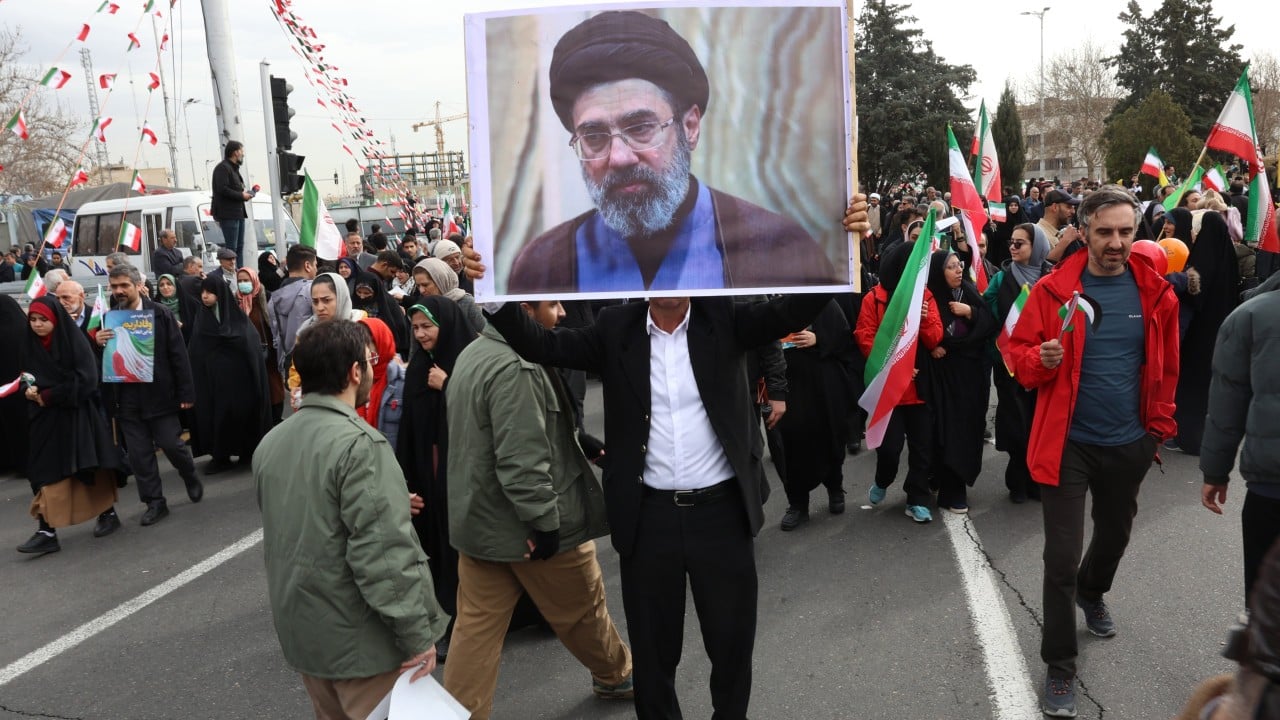
Iran has signaled a significant shift in leadership with reports indicating the selection of Mojtaba Khamenei, son of the Supreme Leader Ayatollah Ali Khamenei, as the likely successor. This announcement follows a period of heightened tensions, as Israel conducted airstrikes on fuel depots in Tehran, escalating hostilities with Iran and signaling a broader conflict across the region. Concurrently, Bahrain has reported damage to its desalination plant from an Iranian attack, linking the escalation of offensive actions to the instability surrounding Iran's leadership succession.
The internal political landscape in Iran has been fraught with tension as factions vie for power amid the aging Supreme Leader's declining health. Khamenei has held a tight grip on Iran's theocratic regime since 1989, but his passing has long raised concerns about a potential leadership vacuum and power struggle. Mojtaba Khamenei's emergence as a front-runner aligns with Tehran's desire to maintain continuity and preserve the clerical regime's influence, especially in the face of regional adversaries.
The implications of this leadership transition are profound, as the selection of Khamenei's son indicates a potential hardening of Iran's policies toward adversaries, particularly Israel and Saudi Arabia. This change comes at a critical moment when military tensions are at an all-time high, threatening to escalate into a wider conflict that could draw in regional powers and allies.
Key players such as the hardline factions within Iran, the Israel Defense Forces (IDF), and U.S. allies in the region stand to lose or gain significantly depending on this transition. Tehran's desire for retaliation against perceived aggressors will likely intensify with Khamenei's son at the helm, appealing to the more militant factions that dominate Iranian foreign policy. Israel's preemptive strikes seem designed to disrupt this power transition, indicating that it views Mojtaba Khamenei's rise as a direct threat.
Israel's recent airstrikes targeted significant logistical assets; specifically, fuel depots vital for Iran's military operations. These assaults are a part of a broader strategy to weaken Iran's regional capabilities, ensuring critical supply lines for the Islamic Revolutionary Guard Corps (IRGC) remain compromised. The potential for further military action is high, with Israel likely prepared to engage in more aggressive operations to preempt an emboldened Iranian regime under new leadership.
The potential backlash from Iran could lead to a series of retaliatory strikes against Israeli targets or U.S. assets in the Gulf region, raising the stakes of these hostilities. As Iran's leadership dynamics evolve, counteractions from Israel could trigger an all-out conflict, which would have dire consequences for the Gulf states and global oil markets given the region's strategic significance.
Historically, transitions in Iranian leadership have often led to increased aggressive posturing both domestically and regionally. The 2009 election protests serve as a reminder of the domestic instability that can accompany leadership changes in Iran, potentially inviting foreign intervention or support for opposition factions.
As the situation unfolds, intelligence observers should closely monitor official communications from Tehran regarding military readiness and signal any shifts in IRGC operations. Additionally, the response from Israel and Gulf allies will be crucial indicators of how extensive this escalation could become, as well as the international community's reaction to Iran's potential military advancements in the aftermath of this leadership transition.