Iran-North Korea Nuclear Partnership Poised for Revival As Conflict Escalates
Recent hostilities against Iran devastate its military capabilities, prompting Tehran to reignite revived ties with North Korea for missile and nuclear technology. Both nations share animosity towards the United States, positioning them as cooperative foes in a volatile landscape.
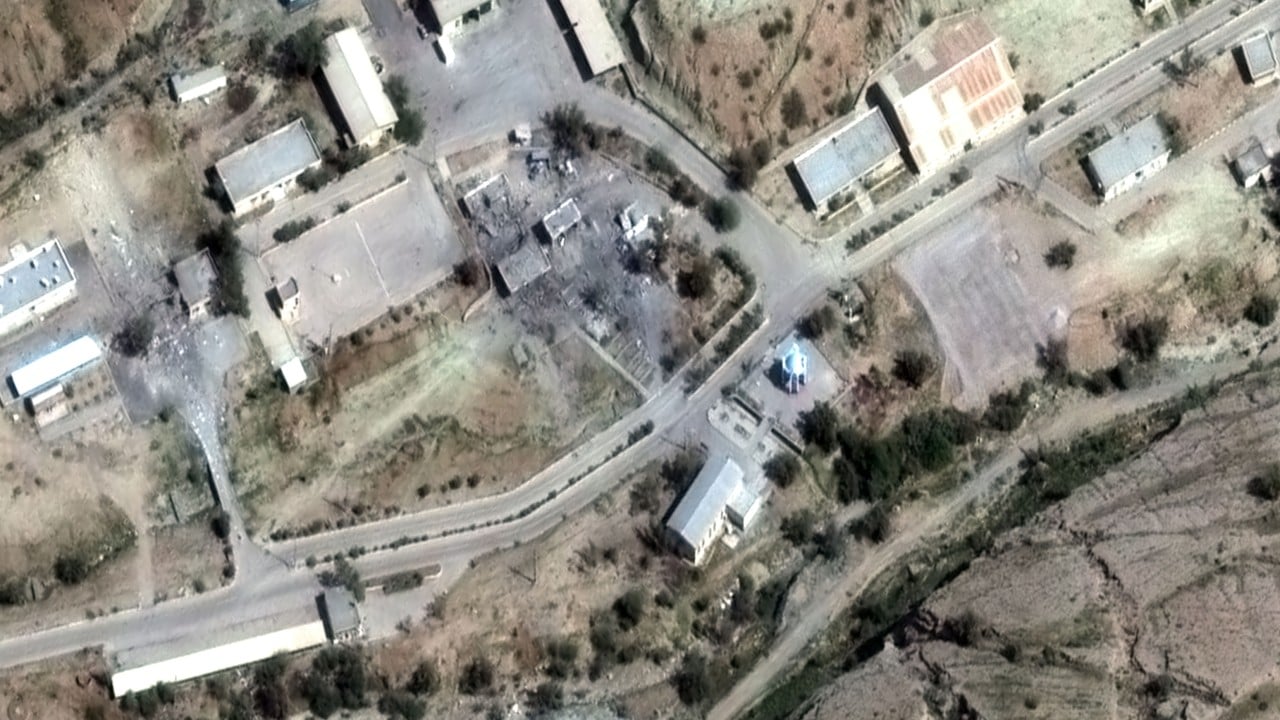
As Iran's missile and nuclear infrastructure suffers extensive damage due to ongoing conflicts with the United States and Israel, the regime is poised to rekindle its long-standing partnership with North Korea. This shift arises from Tehran's urgent need to restore and enhance its military capabilities, which have been critically weakened in the recent confrontations. Analysts caution that this revival is not just probable but highly anticipated, with strategic implications that could reshape regional security dynamics.
The historical context between Iran and North Korea is rooted in their mutual isolation following decades of U.S. sanctions and military interventions. Since the early 2000s, these two pariahs have engaged in clandestine exchanges of technology and intelligence, fostering a military partnership that includes missile development assistance and nuclear technology sharing. The recent escalations in the Middle East, particularly from Israel's targeted strikes and U.S. military presence, have galvanized Iran to seek salvaged support from North Korea, often regarded as its most reliable ally in the face of international pressure.
This development is significant as it underscores a dangerous pivot in international security. Iran leveraging North Korean technology could advance its missile capabilities and nuclear program, creating a more formidable threat to regional adversaries including Israel and U.S. interests in the area. With Iran's advancing ballistic missile arsenal already possessing estimates of ranges exceeding 2,000 kilometers, enhanced collaboration with North Korea's missile technology could lead to even greater threats against far-reaching targets, including Europe and the U.S. mainland.
Both nations have highly strategic motivations for this partnership. Iran is motivated by the necessity to bolster its military strength post-conflict, ensuring it retains a deterrence capability against perceived foes. Nord Korea, facing its own international isolation and economic struggles, seeks to leverage Iran's resources for political and financial gain while reinforcing its own military technological edge. This relationship, primarily driven by hostility towards the U.S., remains focused on countering American influence in both the Middle East and East Asia.
Operationally, North Korea has been known to share critical military technologies that include the Musudan missile and advancements in nuclear enrichment techniques, which could directly benefit Iran's capabilities. Analysts estimate that such assistance could arrive in the form of missile systems, advanced propulsion technologies, and expertise in uranium centrifuge development. The logistics of this cooperation would likely occur through clandestine shipments and unmarked vessels traversing the shared Asian routes.
The repercussions of renewed military ties between Iran and North Korea could lead to a rapid escalation in tensions across not just the Middle East but also in East Asia. Should this collaboration succeed, it could embolden other rogue states to form similar coalitions against U.S. hegemony, further destabilizing regions already fraught with conflict. The potential for an arms race cannot be overlooked, as neighboring countries like Saudi Arabia and South Korea may feel compelled to respond militarily or bolster their own capabilities.
Historical precedents exist where such collaborations have ignited broader conflicts. The Cold War era saw numerous alliances formed between isolated regimes that ultimately led to heightened military tensions and proxy conflicts. Notably, the Iran-Iraq War and the Korean War serve as reminders of how localized engagements can escalate into larger confrontations involving multiple state actors, driven by alliances formed out of necessity.
Looking ahead, defense analysts will need to monitor key indicators, including any military exchanges or technology transfers between Iran and North Korea. Intelligence assessments should focus on procurement activities by Iran—particularly in missile and nuclear domains—and changes in North Korea's missile tests or nuclear rhetoric. Further, close observation of Iranian responses to Israeli and U.S. military activities could reveal intentions behind newfound collaborations. The outcome of this revived partnership will hold significant global security implications, meriting keen vigilance as the landscape evolves.