Iran Loses Two Su-24s in Air Combat Against Coalition Fighters
Aerial engagement reveals stark vulnerability of Iran's aging air fleet against advanced Western aircraft.
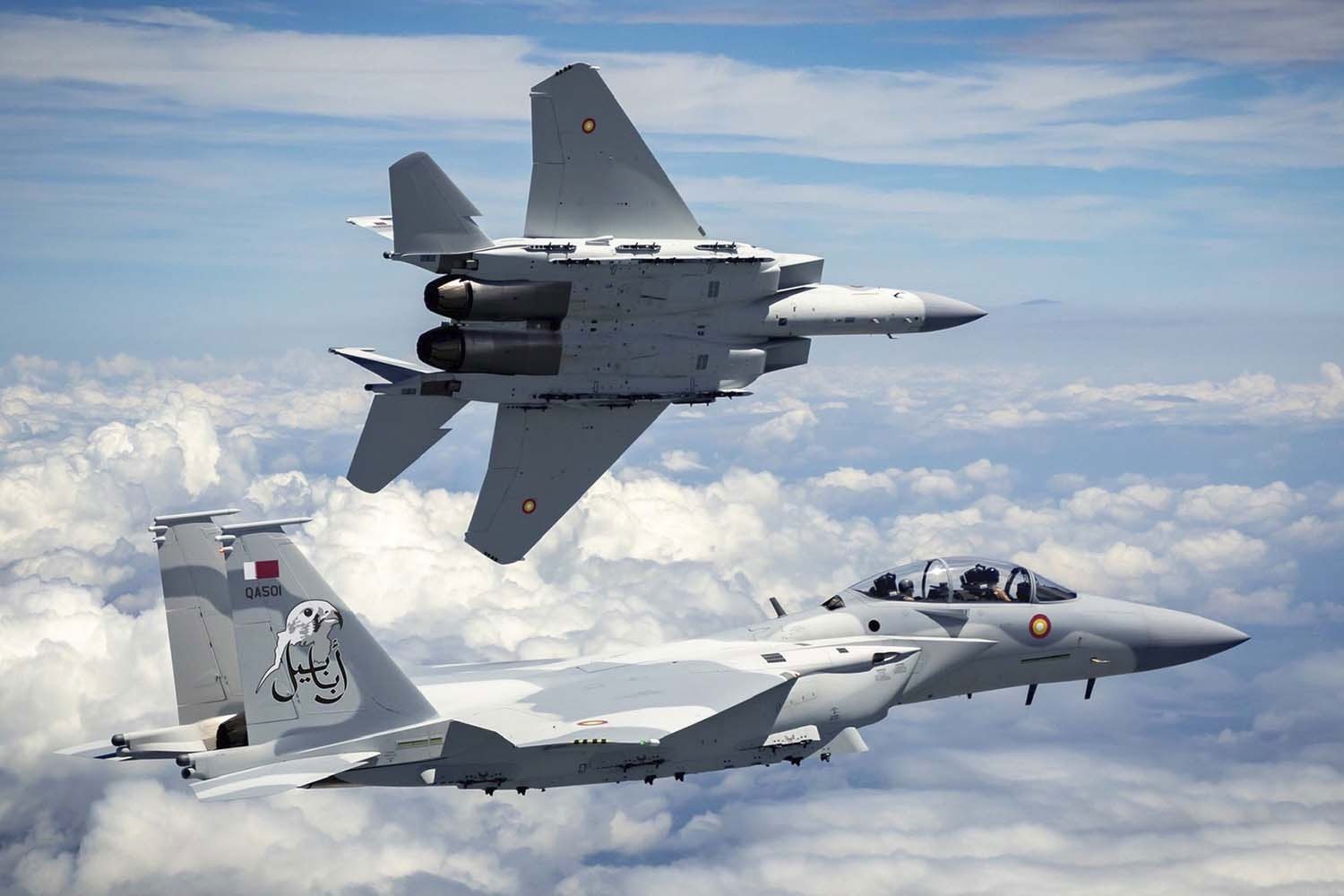
Coalition fighter jets, likely including F-15 Strike Eagles, Eurofighters, or Rafales, shot down two Iranian Sukhoi Su-24 aircraft amidst ongoing hostilities in the region. This incident underscores the significant aerial disadvantage faced by Iran, whose air force is predominantly comprised of outdated Cold War-era fighters, ill-equipped to contend with modern Western air power.
Iran's air capabilities have deteriorated significantly since the 1979 Islamic Revolution, leaving the country reliant on Soviet-era aircraft such as the Sukhoi Su-24. Historically, Tehran's military strategies have focused on asymmetric warfare, deploying drones and missiles in response to perceived threats from Israel and the US, rather than maintaining a robust aerial defense. The recent surge in air engagements highlights the urgent need for Iran to upgrade its air fleet just as it faces heightened confrontations in the region.
The downing of these Su-24s illustrates the widening gap in air superiority between Iran and Western powers. Strategically, this situation exposes Iran's vulnerabilities and could embolden its adversaries, notably Israel and US forces operating in and around the Persian Gulf. The loss of fighter aircraft not only impacts Iranian national pride but also diminishes its deterrent capability in future confrontations.
Key players in this episode include the Iranian military, which grapples with maintaining legacy aircraft while facing aggressive operations from coalition partners. The reliance on older models not only raises questions about operational readiness but also signals a desperate need for modernization—one that Iran struggles to finance amid crippling sanctions and budget constraints.
Regarding operational capabilities, the Su-24 has been partially effective in ground attack roles but lacks the advanced avionics and stealth features of modern Western fighters. In contrast, the F-15, with advanced radar and munitions capabilities, could engage from significant distances, minimizing risk to its pilots. The tactical combination of speed, firepower, and technology provided by coalition aircraft is a stark reminder of Iran's military limitations.
Consequently, the potential for further escalations remains high. As Iran may seek to retaliate or regain lost honor, the situation could lead to additional confrontations in the air. The balance of power will undoubtedly tilt further towards coalition forces, which could engage in more aggressive aerial campaigns to diminish Iran's military capacity.
Historically, Iran's losses in aerial engagements evoke memories of the Iraq War and its own extensive use of outdated Iranian F-4 Phantoms, which struggled against modern threats. The current events parallel past conflicts where outdated technology meets advanced military capabilities, often resulting in severe strategic miscalculations.
Looking forward, intelligence analysts should monitor further military developments from Iran, particularly any attempts to acquire advanced aircraft or missile systems. Anticipating Iran's strategic shifts in operational tactics, alongside possible collaborations with nations like Russia, will be crucial for understanding the evolving dynamics of air power in the region.