Iran-Israel Conflict Intensifies After Three Days of Warfare
The Iran-Israel war escalates with joint airstrikes and Iranian counterattacks, threatening regional stability and military balances. This conflict reveals deeper strategic vulnerabilities among key players in the Middle East.
The Iran-Israel conflict has reached a critical phase, entering its third day with intensified military engagement. The Pentagon reports ongoing joint airstrikes executed by Israeli air forces in coordination with U.S. military assets targeting Iranian positions. Iranian forces have retaliated with missile strikes, inflicting casualties and escalating tensions further across the region, particularly in Iraq and Syria, where Iranian proxies are active.
This latest round of hostilities stems from Iran's increasing support for militant groups in Syria and Lebanon, which Israel has long viewed as an existential threat. Tensions have escalated significantly since the beginning of the year, driven by Iran's aggressive missile program and Israel's preemptive strikes intended to disrupt Iranian military buildup along its borders. The recent assassination of a prominent Iranian general has also heightened animosities, pushing both nations to the brink of outright war.
The significance of this conflict is profound; it not only threatens Israel's national security but risks drawing in other regional powers and potentially the U.S. military amidst heightened concerns over Iranian aggression. The volatility showcased in this crisis highlights the fragile military balance in the Middle East, where any miscalculation could spark a wider war involving multiple state and non-state actors, further destabilizing an already turbulent region.
Key actors in this conflict exhibit diverging motivations—Israel seeks to diminish Iranian influence and military capabilities, aiming for a decisive victory against Tehran’s proxies. Conversely, Iran is driven by a desire to assert its regional power and retaliate against perceived Israeli aggression, pushing its ballistic missile capabilities as a deterrent. Both nations appear committed to escalating their military strategies, ultimately prioritizing national interests over diplomatic resolutions.
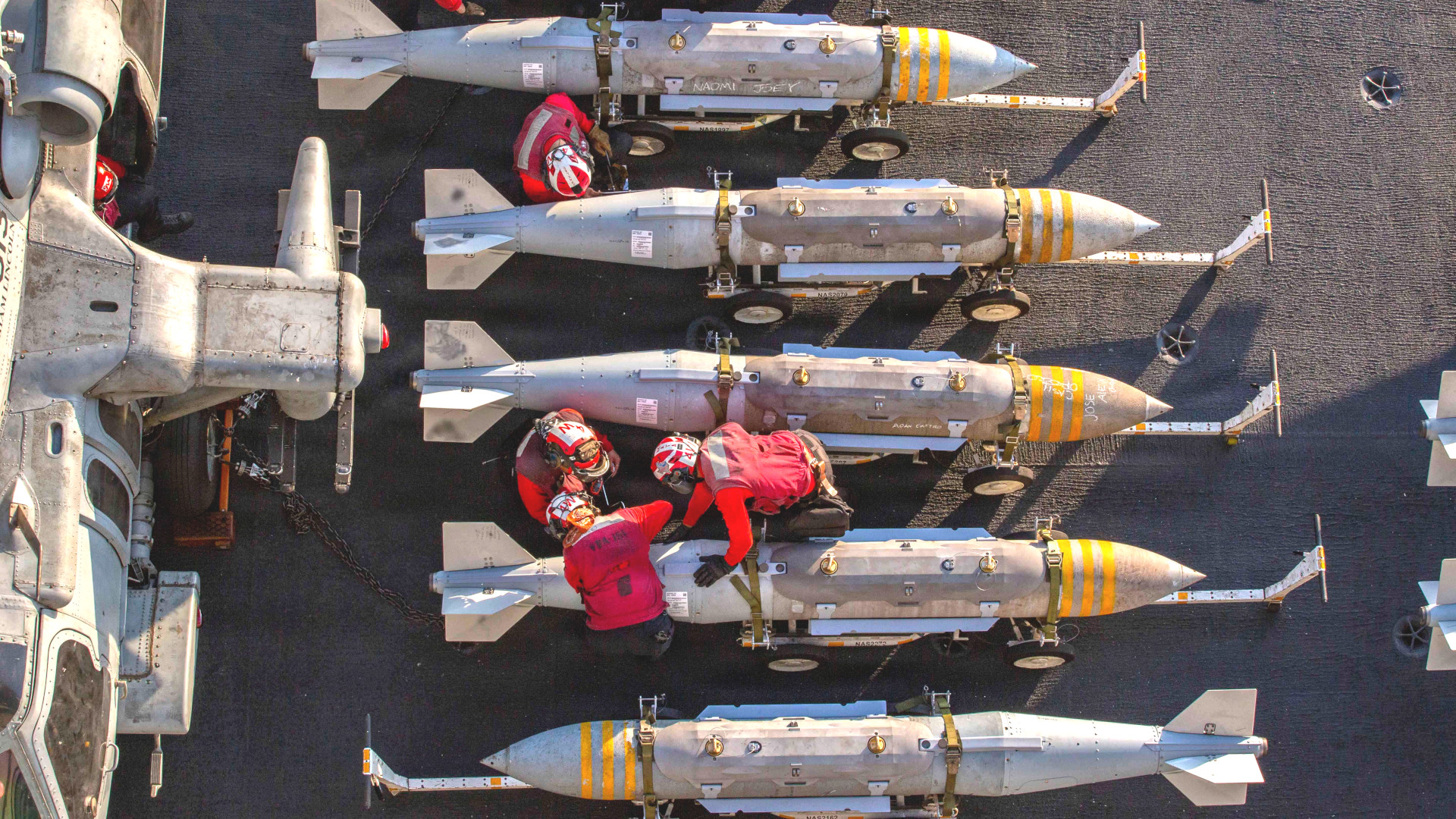
Operationally, Israel has deployed F-35I Adir stealth fighters alongside precision-guided munitions to strike deep within Iranian supply lines. Meanwhile, Iran has fired multiple Qiam-1 ballistic missiles targeting Israeli military installations and allied forces. Recent reports estimate casualties in the hundreds, with both sides sustaining significant military losses, further compounding the crisis.
If the current trajectory continues, the Iran-Israel conflict could lead to extensive regional escalation, with devastating consequences for both nations. The potential for a broader international intervention looms large, especially if attacks on U.S. assets or allies increase. Vigilance is necessary as the situation develops, and military intelligence must closely monitor the escalation patterns and retaliatory actions from both sides.
Historically, this conflict recalls the 1982 Lebanon War, where Israel sought to diminish Hezbollah's capabilities but ended up embroiled in a protracted confrontation that resulted in unexpected strategic costs. Similarly, the present conflict may yield unintended consequences, reshaping power dynamics in the Middle East for years to come as conflicts often spiral into wider regional confrontations.
In the immediate future, key indicators to watch for include missile launches from Iran, shifts in Israeli aerial bombardments, and regional military response from U.S. forces. Potential engagements with allied nations such as Saudi Arabia, Turkey, or Egypt could reflect broader regional alignments. Intelligence assessments are critical in predicting how this conflict may evolve and the implications it will carry for global security frameworks.