Iran Hardliners Demand Exit From Nuclear Non-Proliferation Treaty
Amid ongoing regional war, Iranian hardliners push to abandon the Nuclear Non-Proliferation Treaty, escalating global nuclear tensions. This move risks destabilizing non-proliferation regimes and fueling an arms race in the Middle East.
As intense conflict escalates in the Middle East, Iranian hardline politicians publicly call for Tehran’s withdrawal from the Nuclear Non-Proliferation Treaty (NPT). This demand comes as US and Israeli strikes target Iran’s critical infrastructure, potentially crippling nuclear research and military capabilities.
The NPT, signed in 1968, serves as the cornerstone of global nuclear arms control, restricting the spread of nuclear weapons. Iran’s potential exit threatens to unravel decades of negotiated efforts to curb nuclear proliferation, especially in a volatile region. The calls represent a sharp departure from Iran’s previous cautious rhetoric on the treaty.
Strategically, abandoning the NPT would allow Iran to legally develop nuclear weapons programs without international oversight. This would accelerate an already dangerous nuclear arms race in the Middle East, prompting neighboring states to pursue their own nuclear programs. Such destabilization risks provoking major powers into heightened military postures and confrontations.
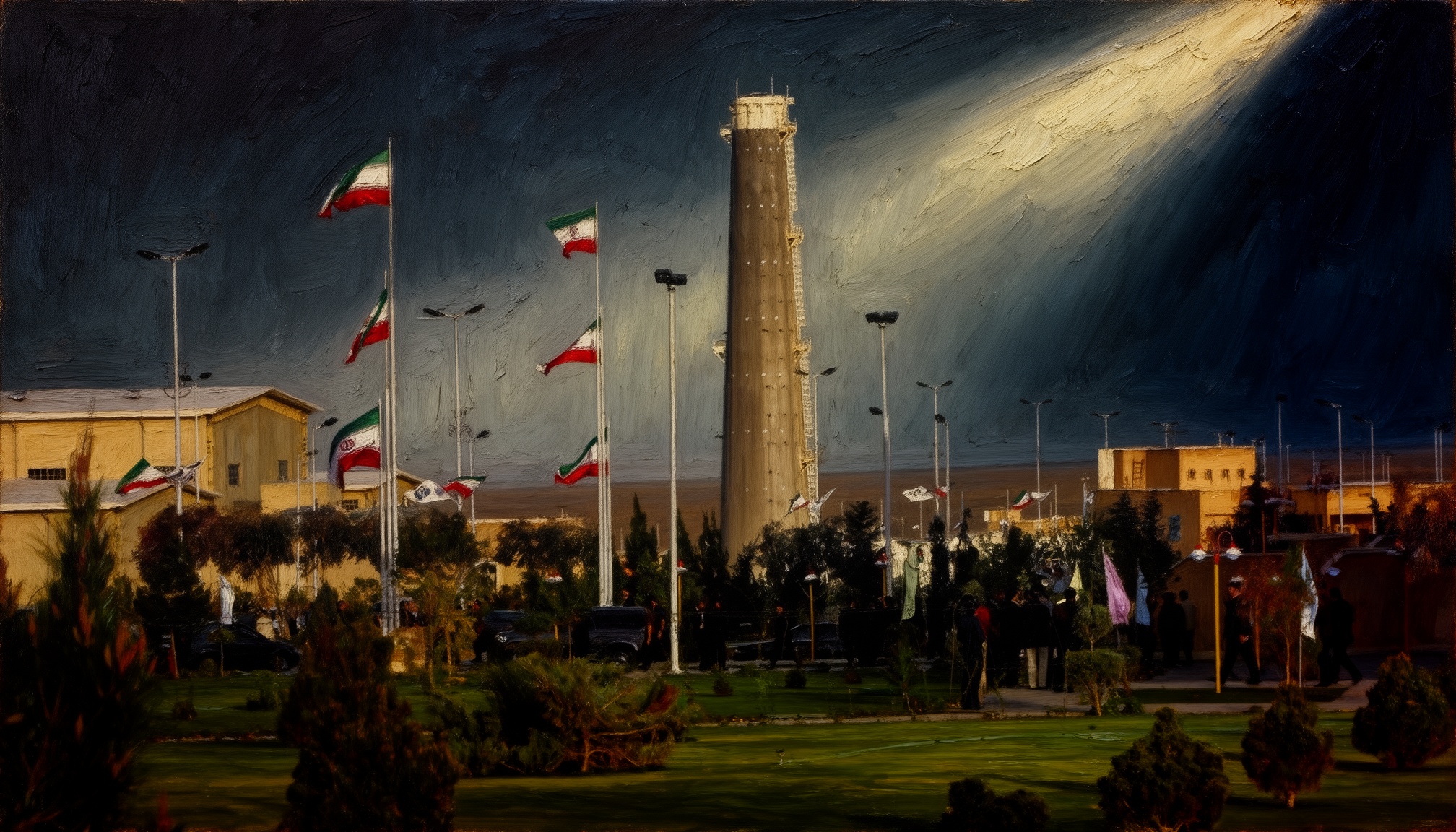
Technically, Iran currently operates uranium enrichment facilities including Natanz and Fordow, along with advanced centrifuges. The country’s nuclear stockpile might be weaponizable within months if unleashed from treaty constraints. US intelligence agencies estimate Iran’s breakout time to be anywhere between a few months to a year, depending on access to enriched uranium.
The immediate consequence would be a drastic shift in regional security dynamics, triggering new sanctions, potential preemptive strikes, and increased war risk. International diplomatic efforts will face new urgency as the global non-proliferation framework confronts its biggest challenge since inception.