Iran Exploits US-Israeli Strikes to Forge Chinese Sympathy Network
The recent US-Israeli air strikes on Iranian targets have generated significant public outrage in China, potentially reshaping Tehran’s influence in Asia. This incident not only highlights the growing anti-Western sentiment in Chinese social media but also indicates Tehran's strategic maneuvering to deepen ties with Beijing.
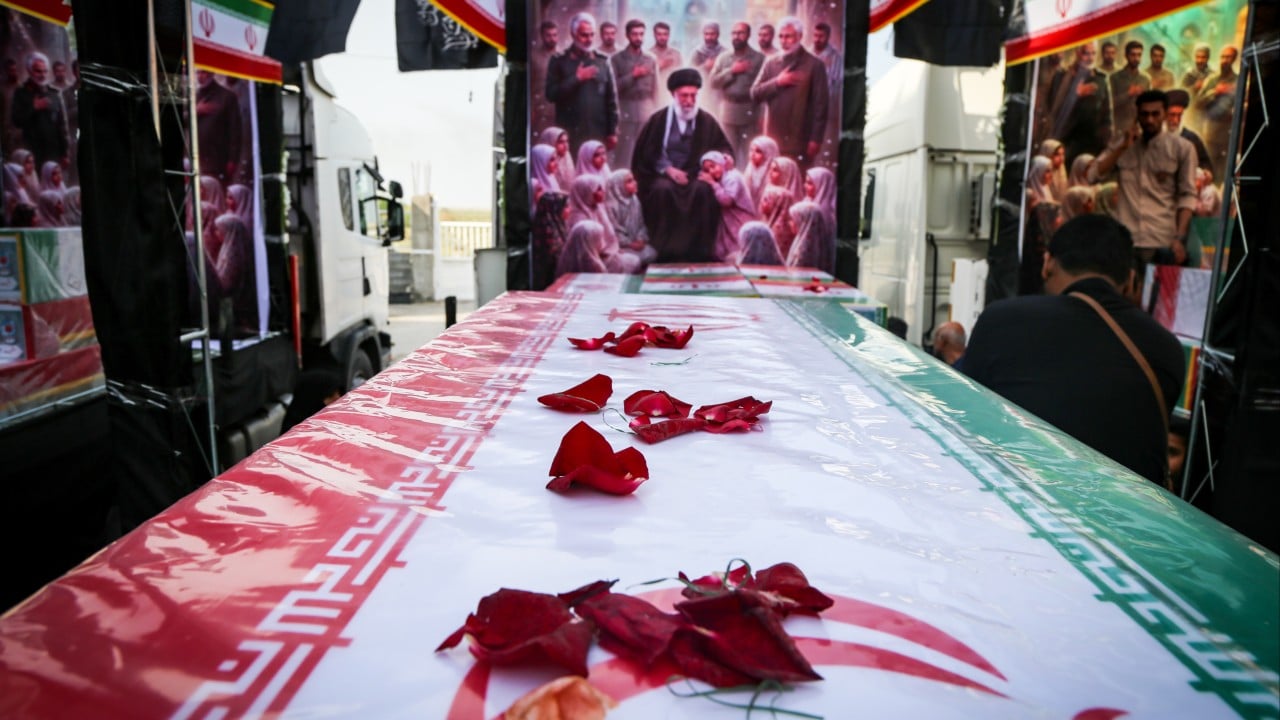
Following recent US-Israeli military strikes that killed numerous Iranian personnel, Iran has leveraged a sympathizing wave in China to bolster its diplomatic stance. In a calculated move, the Iranian embassy in Beijing expressed gratitude towards Chinese citizens condemning the attacks, signifying a potential pivot in regional allegiances and support networks amid escalating tensions in the Middle East. The embassy publicly refrained from soliciting financial assistance, emphasizing a message of solidarity over material gain.
The strikes, part of a continuing pattern of aggressive US-Israeli military operations in the region, followed months of rising rhetoric surrounding Iranian nuclear advancements. Diplomatic relations between the US and Iran have been virtually nonexistent, leading to an atmosphere of hostility that has been met with military responses from Israel, which views Iranian influence in Syria and other neighboring countries as existential threats. This development underscores the rapidly evolving dynamics of alliances and hostilities in the region.
The significance of this situation cannot be understated; it reveals not only the vulnerabilities of Iran's military posture but also the shifting power dynamics in Asia, where China’s influence continues to grow. The public disapproval voiced in China may pressure the Chinese government to engage more assertively in Middle Eastern geopolitics, aligning itself further with Tehran and complicating Sino-US relations. Iran’s attempts to capitalize on this public support could transform how regional players interact with one another.
Key actors in this crisis include the Iranian government, which seeks to reinforce its standing by cultivating public sympathy abroad, and China, which may weigh its strategic need for relations with Tehran against its broader geopolitical ambitions. For Beijing, supporting Iran could provide leverage against Western influence, especially given the increasing tensions in the Indo-Pacific and the growing proximity of US and allied military strategies threatening China’s territorial interests.
On the operational front, the air strikes reportedly targeted facilities associated with Iran's Revolutionary Guard Corps (IRGC), which incurred significant material losses. The specifics of the attacks remain classified, but they demonstrate the willingness of the US and Israel to conduct operations without clear recourse or fear of international backlash. This could indicate a new phase of military engagement geared towards undermining Iran’s regional capabilities.
The couplings of Iranian assertions of gratitude and Chinese social media outrage could escalate into increased diplomatic and possibly economic ties, allowing Iran to solidify its foothold in the East amid growing alienation from the West. Additionally, should these sympathizing sentiments transform into governmental support or military collaboration, the implications for US national security interests would be significant, potentially necessitating a reevaluation of defense strategies in both the Middle East and Asia.
Historically, we can observe parallels between this incident and earlier instances where nations have rallied public support following military strikes. The aftermath of the US invasions of Iraq and Afghanistan saw similar waves of support for affected regimes, leading to new alliances and partnerships formed on emotional and political grounds.
Moving forward, intelligence analysis should focus on monitoring the public sentiment in China regarding Iran, as increased expressions of solidarity could lead to formal diplomatic ties or military cooperation. Additionally, keep an eye on Iranian outreach to Beijing for strategic defense partnerships, as well as any shifts in Chinese foreign policy that may emerge as a reaction to US-Israeli military endeavors in the region.