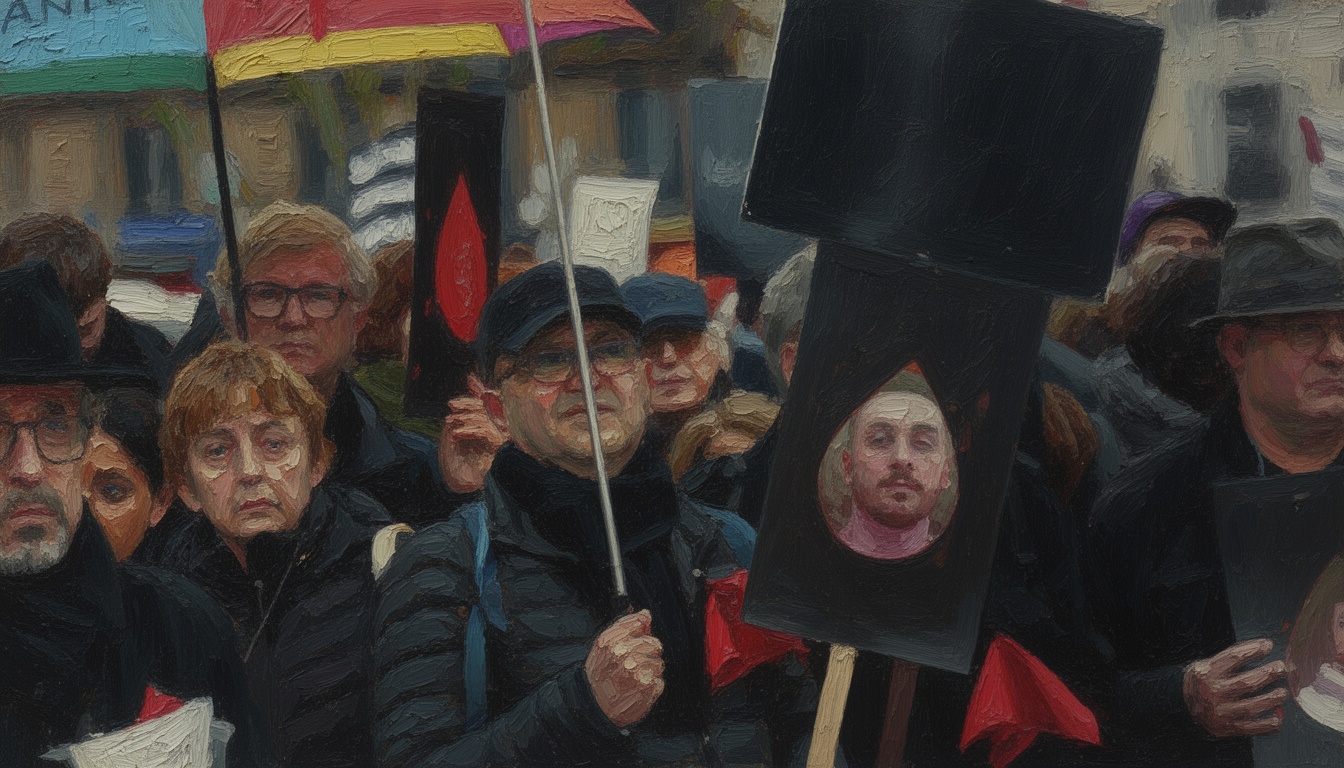
Iran Executes Protester Amid Escalating Political Hangings
Iran's execution of 23-year-old Ali Fahim highlights intensified political repression amid rising tensions with Israel and the US. Rights groups condemn unfair trials and torture linked to crackdown on nationwide protests.
Iran executed 23-year-old protester Ali Fahim on Monday, convicted over participation in January's nationwide demonstrations. This execution marks a further escalation in politically charged hangings amid internal unrest and external geopolitical pressures.
Since the January protests erupted nationwide, Iran's judicial system has accelerated capital punishments against dissenters, citing national security concerns amid its conflicts with Israel and the United States. Activists and rights organizations report abuse, torture, and denial of legal representation for those sentenced.
The strategic significance lies in Tehran’s attempt to consolidate internal control by harshly suppressing opposition while facing growing international isolation and confrontation. Such executions deepen the rift with Western powers and exacerbate tensions in the Middle East.
Ali Fahim’s execution follows a pattern of expedited trials lacking transparency. Reports indicate detainees endure harsh interrogation tactics, limited access to lawyers, and unfair court processes designed to swiftly impose death sentences on protesters accused of anti-state activities.
This wave of lethal crackdowns could fuel further unrest and international condemnation. Iran’s judiciary appears poised to continue using executions as a tool of political repression, risking deeper instability internally and heightened tensions with key global actors.